New York Non-Owner SR-22 After DUI: Filing Period and Premium Range
Get My Non-Owner SR-22 QuoteNew York Replaced SR-22 With Direct Carrier-to-DMV Verification
New York does not use SR-22 certificates. The state operates the Insurance Information and Enforcement System (IIES), a real-time electronic database where admitted carriers report policy issuance, cancellations, and lapses directly to the DMV.
When you purchase liability insurance from a New York-admitted carrier after a DUI suspension, the carrier reports your coverage to the DMV electronically within 24-48 hours. No paper filing. No SR-22 form to request or deliver to the DMV. The system verifies your financial responsibility automatically.
This matters for DUI filers because most other states require Form SR-22 as a separate step. If you search for "SR-22 insurance" in New York, you're looking for a document that doesn't exist in this state's regulatory framework.
Non-Owner Liability Policies Satisfy DUI Financial Responsibility Requirements
A non-owner auto insurance policy provides liability coverage when you drive a borrowed vehicle with the owner's permission. It does not cover a vehicle you own. It does not include comprehensive or collision coverage.
New York DUI offenders who do not currently own a vehicle can satisfy DMV financial responsibility requirements with a non-owner liability policy. The carrier files your coverage through IIES the same way it would for an owner policy. The DMV verifies your compliance electronically.
Non-owner policies typically cost 30-60% less than standard owner policies because there's no vehicle on the policy to insure for physical damage. Monthly premiums for non-owner liability after a New York DUI conviction typically range from $85 to $190 per month, depending on age, county, violation details, and carrier. Estimates based on available industry data; individual rates vary by driving history and location.
How Long DUI Financial Responsibility Verification Lasts in New York
New York does not impose a fixed "SR-22 filing period" because it doesn't use SR-22 filings. Instead, the DMV requires continuous proof of insurance for the duration of your license restriction or revocation period.
For a first-offense DWI conviction under VTL §1192, the standard license revocation period is 6 months minimum. If you apply for and are granted a Conditional License through the Impaired Driver Program, you must maintain continuous liability coverage throughout the conditional period and for at least 3 years from the date of conviction.
If your non-owner policy lapses at any point during the required verification period, the carrier reports the cancellation to the DMV through IIES. The DMV suspends your registration and license automatically under VTL §319. Reinstatement requires proof of new coverage, a $50 civil penalty, and potentially additional penalties of $8 per day for each day you drove uninsured, capped at $900 for a 90-day period.
Which Carriers Write Non-Owner Policies After New York DUI Convictions
Not all carriers write non-owner policies. Fewer still write them for drivers with DUI convictions on record. New York carriers confirmed to write non-owner liability for DUI filers include Progressive, Geico, and Bristol West.
Progressive typically offers the widest availability but quotes vary significantly by ZIP code and conviction age. Geico accepts non-owner applications online but may require additional underwriting review for DUI convictions within the past 3 years. Bristol West operates in the non-standard market and typically accepts higher-risk profiles, but requires broker contact for non-owner quotes.
Other carriers licensed in New York, including State Farm and Nationwide, write standard non-owner policies but often decline applications from drivers with DUI convictions less than 5 years old. If you receive a declination, contact a non-standard or high-risk broker who works with multiple carriers rather than applying repeatedly to direct carriers.

Cover Your Filing Before You Own a Car Again
Get My Non-Owner SR-22 Quote
What Happens If You Acquire a Vehicle During Your DUI Filing Period
A non-owner policy does not cover vehicles you own. If you purchase, lease, or are gifted a vehicle while your non-owner policy is active, you must convert to a standard owner liability policy or add the vehicle to a new policy immediately.
New York requires all registered vehicles to carry minimum liability coverage: $25,000 per person / $50,000 per accident for bodily injury, and $10,000 for property damage. Personal Injury Protection (PIP) and uninsured motorist coverage are also mandatory.
If you register a vehicle without converting your non-owner policy to an owner policy, the DMV will detect the coverage gap through IIES and suspend your registration and license. Reinstatement fees and civil penalties apply. Notify your carrier immediately if you acquire a vehicle during your filing period.
Leandra's Law Ignition Interlock Requirement for All New York DWI Convictions
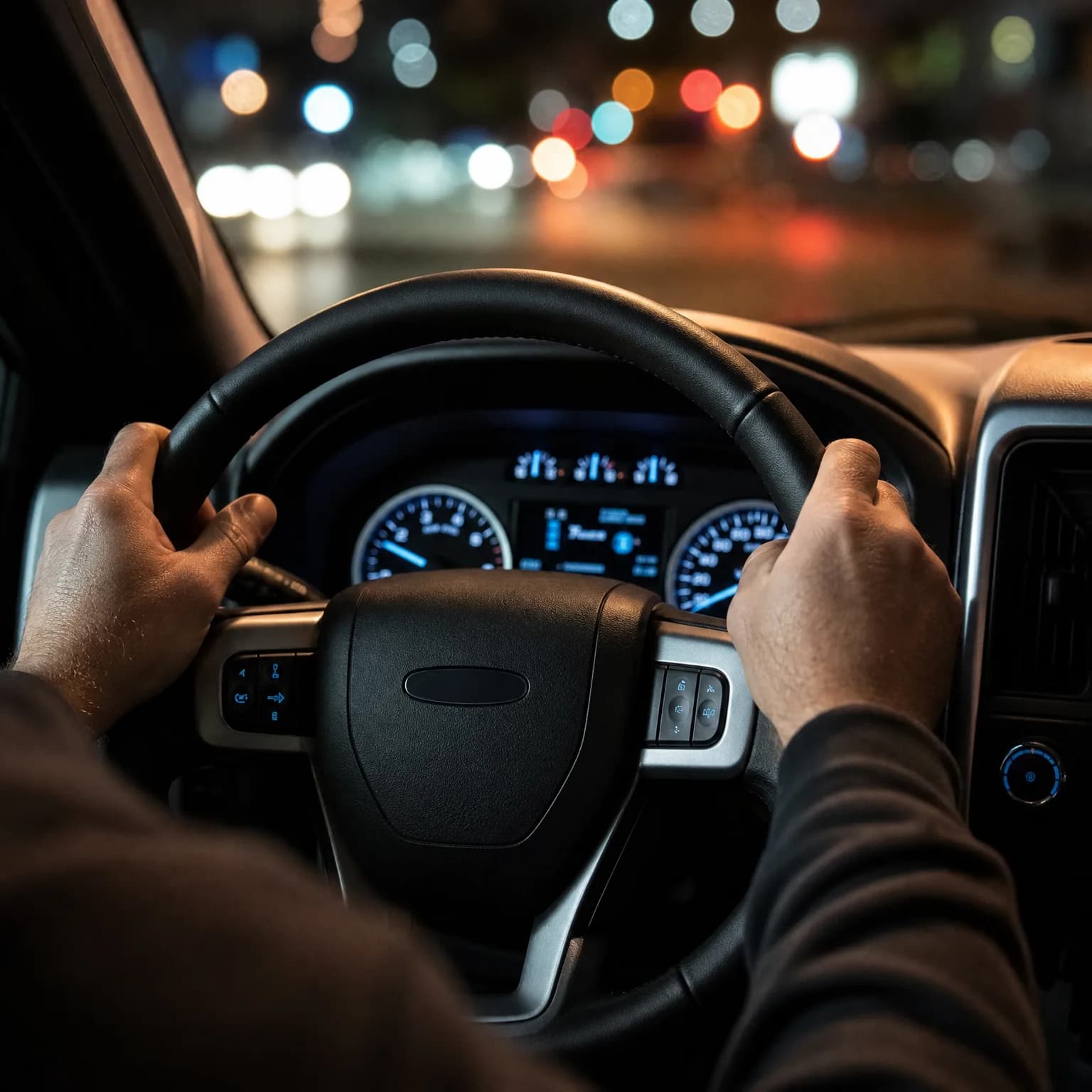
Leandra's Law (VTL §1198) mandates ignition interlock device installation for all persons convicted of DWI or DWAI in New York, including as a condition of any Conditional License issued during the revocation period.
The ignition interlock requirement is separate from your insurance obligation. Installation costs typically range from $100 to $200, with monthly monitoring fees of $70 to $100. The device must remain installed for the duration specified by the court, usually a minimum of 6 months for first offenses and longer for repeat offenses.
Your non-owner liability policy does not cover ignition interlock installation or monitoring costs. These are paid directly to the approved IID vendor. However, the DMV will not restore your license or issue a Conditional License until both the ignition interlock requirement and the financial responsibility requirement are satisfied.
New York Conditional License Eligibility and Restricted Use License Pathways
New York offers two restricted driving pathways for DWI offenders: the Conditional License through the Impaired Driver Program (IDP) and the Restricted Use License for employment and essential travel.
The Conditional License is available after completion of a pre-sentence IDP enrollment and allows driving to and from work, school, medical appointments, IDP classes, and other court-approved activities. You must maintain continuous liability coverage reported through IIES for the duration of the conditional period.
The Restricted Use License is available in some cases after a waiting period and allows driving for specific DMV- or court-approved purposes. The application fee is $25, and applicants must provide proof of insurance, an MV-500 series application form, and proof of employment or necessity. The DMV has broad discretion in granting or denying Restricted Use License applications, particularly for drivers with multiple DWI offenses or prior suspensions.
Frequently Asked Questions
Do I need to request an SR-22 form from my insurance company in New York?
No. New York does not use SR-22 forms. Your carrier reports your coverage to the DMV automatically through the Insurance Information and Enforcement System (IIES) within 24-48 hours of policy activation. You do not need to request or deliver any filing to the DMV.
Can I buy non-owner insurance in New York if I had a DUI conviction in another state?
Yes, if the DUI conviction appears on your New York driving record. New York carriers evaluate your entire driving history, including out-of-state convictions. Progressive, Geico, and Bristol West write non-owner policies for drivers with DUI convictions, though quotes vary by conviction age and severity.
What happens if my non-owner policy lapses before my DUI revocation period ends?
The carrier reports the lapse to the DMV through IIES. The DMV suspends your registration and license automatically under VTL §319. Reinstatement requires proof of new coverage, a $50 civil penalty, and potentially $8 per day for each uninsured day, capped at $900 for 90 days.
Does a non-owner policy cover me when I drive a rental car in New York?
Yes, a non-owner liability policy covers you when driving a rental vehicle, provided you have permission and the rental is for personal use. However, non-owner policies do not include comprehensive or collision coverage, so rental car damage would not be covered unless you purchase the rental company's damage waiver.
How long does New York require financial responsibility proof after a DUI conviction?
New York requires continuous proof of insurance for the duration of your revocation or conditional license period and typically for 3 years from the date of conviction. The exact duration depends on your conviction details, prior record, and whether you were granted a Conditional License through the Impaired Driver Program.
Can I use a non-owner policy to register a vehicle in New York?
No. A non-owner policy does not cover vehicles you own. To register a vehicle in New York, you must carry owner liability insurance that lists the specific vehicle on the policy. If you acquire a vehicle while holding a non-owner policy, notify your carrier immediately to convert coverage.
Related Articles
NY Non-Owner vs Owner SR-22: Cost and Coverage Facts
5/19/2026
NY Non-Owner SR-22 Premium Range for Carless Filers
5/19/2026

NY Non-Owner SR-22: Why the Form Doesn't Exist
5/19/2026
NY Non-Owner SR-22: What New York Actually Requires
5/19/2026
Non-Owner SR-22 Eligibility in New York | IIES Guide
5/19/2026
NY Non-Owner Insurance After Uninsured Suspension
5/19/2026