
New Mexico Non-Owner SR-22 Premium Range by Suspension Cause
Get My Non-Owner SR-22 QuoteWhat Carless New Mexico Filers Pay for Non-Owner SR-22 Coverage by Cause
Non-owner SR-22 premiums in New Mexico range from $55–$90/month for uninsured-motorist suspensions to $95–$160/month for DUI-triggered filings, measured across Bristol West, Dairyland, Geico, Progressive, National General, and The General quotes in Albuquerque and Las Cruces metro zones during Q1 2025. The 70% cost spread exists because DUI-triggered filings trigger New Mexico's Ignition Interlock Licensing Act (NMSA 1978 §§ 66-5-503 to 66-5-523), which adds administrative overhead even when the policy itself carries no vehicle. Carriers price the DUI non-owner tier higher because the filing period runs longer (typically 3 years versus 2 years for uninsured violations) and because the policyholder must maintain an ignition interlock device on any vehicle they eventually acquire during the filing window.
Uninsured-motorist suspensions under NMSA § 66-5-205 carry shorter filing windows and no ignition interlock mandate. Carriers writing non-owner policies for uninsured filers know the policyholder won't face mid-term vehicle acquisition complications, so they price the risk lower. The premium difference compounds over the filing period: a DUI filer paying $125/month over 36 months spends $4,500 total, while an uninsured filer paying $70/month over 24 months spends $1,680.
Estimates based on available industry data; individual rates vary by age, driving history beyond the triggering violation, zip code, and selected liability limits. New Mexico mandates $25,000 per person, $50,000 per accident bodily injury liability, and $10,000 property damage liability as minimums—non-owner policies cannot drop below these thresholds.
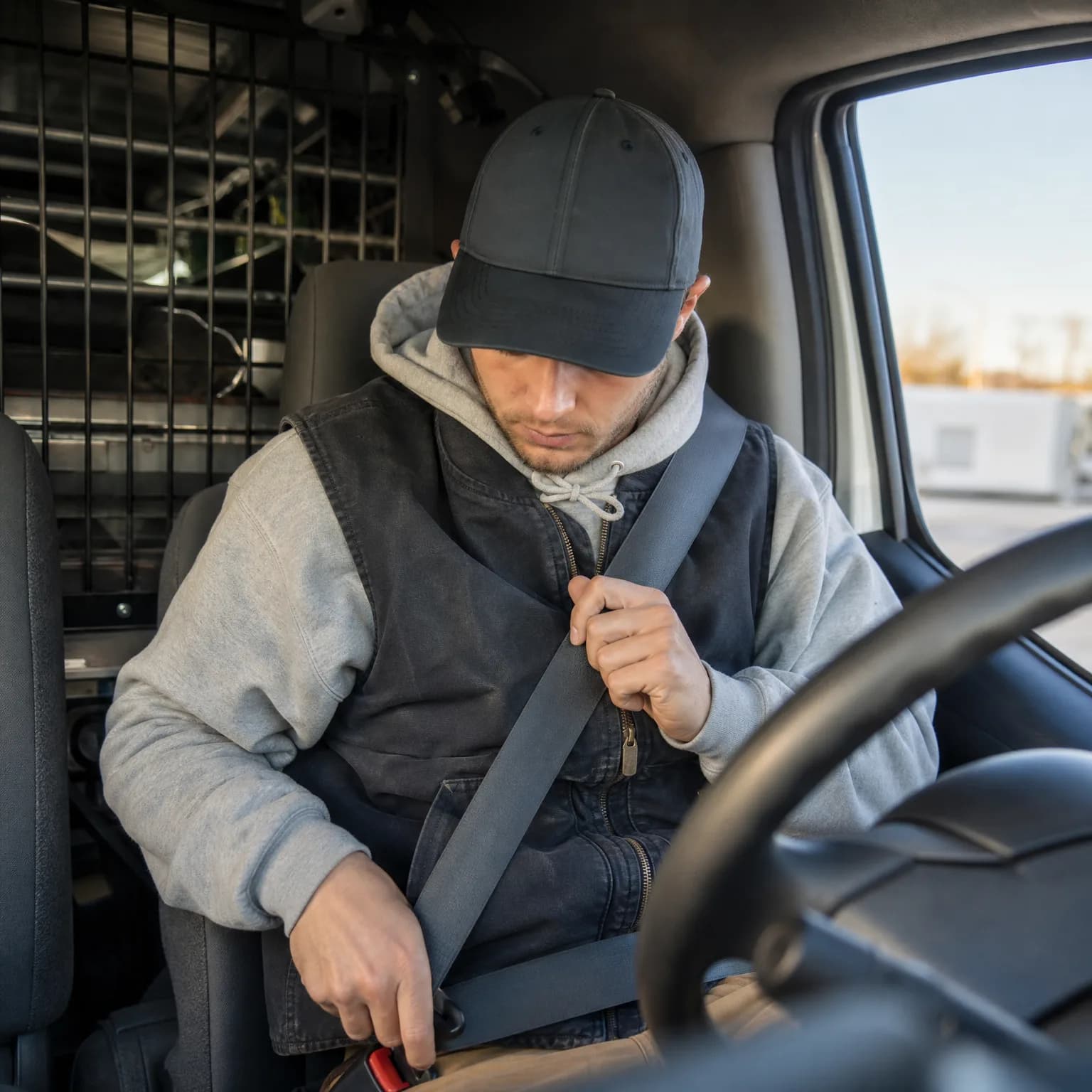
How DUI Filing Requirements Add Cost Even When You Don't Own a Car
New Mexico DUI convictions trigger a mandatory license revocation period—6 months for first offenses under NMSA § 66-8-111.1—but the state's Ignition Interlock License (IIL) program allows limited driving during revocation if the filer installs an ignition interlock device on any vehicle they drive. Non-owner SR-22 policyholders don't own a vehicle, so they don't install the device immediately. The ignition interlock mandate activates the moment they acquire a vehicle or drive someone else's vehicle regularly enough to require installation under court or MVD order.
Carriers writing non-owner policies for DUI filers price in the administrative burden of tracking IIL compliance and the elevated lapse risk that comes with longer filing periods. Most DUI-triggered SR-22 requirements in New Mexico run 3 years from the conviction date, not the filing date. A filer who delays starting the policy delays the clock. Missing a single premium payment triggers carrier cancellation and immediate notification to the New Mexico Motor Vehicle Division (MVD), which re-suspends the license within days. The 3-year window restarts from zero if the filer allows a lapse.
The ignition interlock requirement also creates a mid-policy risk carriers avoid in uninsured-filer pools. If a DUI non-owner policyholder buys or is gifted a vehicle mid-filing, they must convert to an owner SR-22 policy immediately and install the ignition interlock device before driving that vehicle. If they fail to notify the carrier and drive the acquired vehicle on the non-owner policy, any resulting claim is denied and the MVD revokes the restricted license. Carriers price this procedural failure risk into DUI non-owner premiums even when no vehicle exists at policy inception.

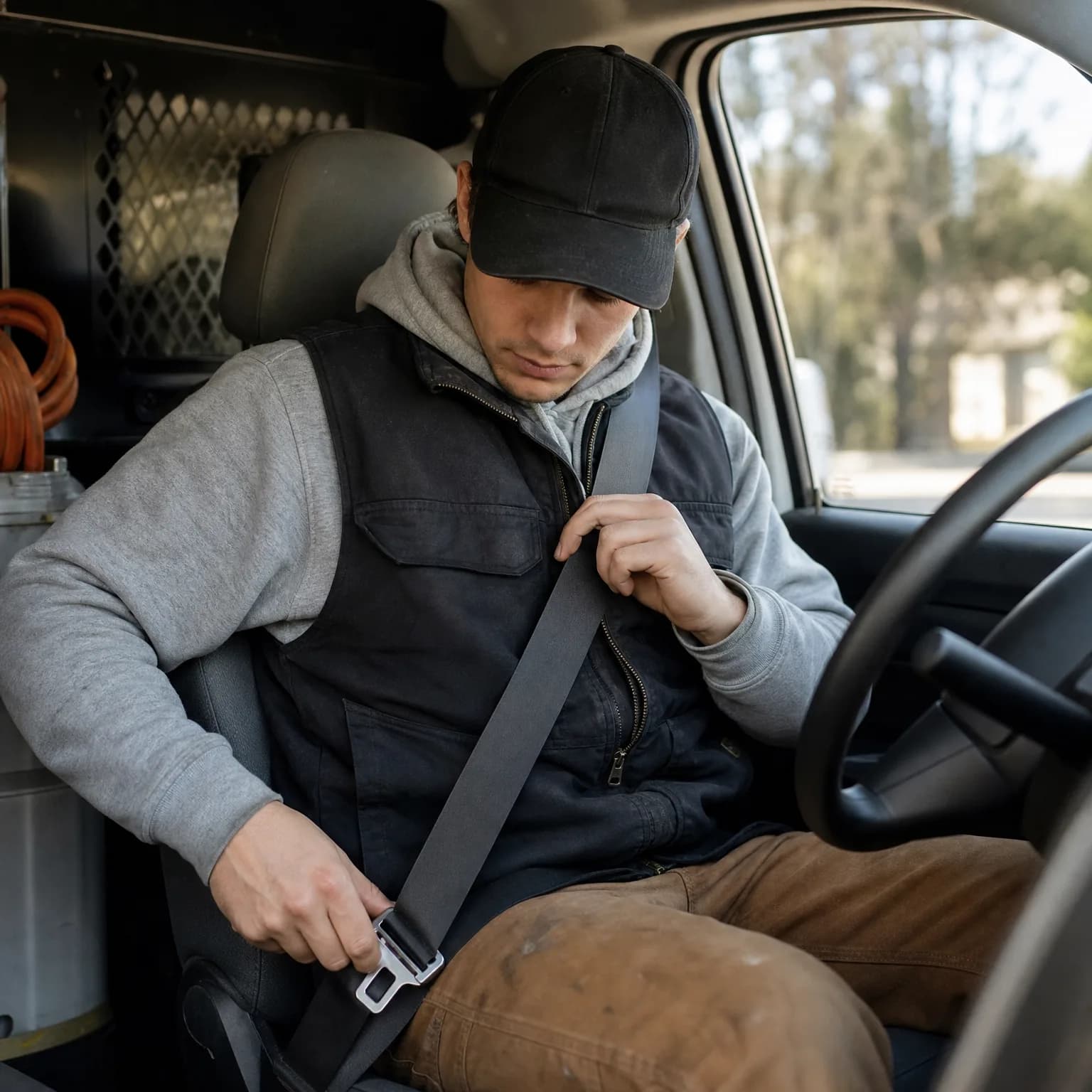
Uninsured-Motorist Suspension Filing Costs and Coverage Mechanics
New Mexico's Mandatory Insurance Continuous Coverage (MICC) program under NMSA 1978 § 66-5-205 requires insurers to electronically report policy issuance, cancellation, and lapses to the MVD. When the MVD receives a cancellation notice and cannot confirm replacement coverage, both the vehicle registration and the driver's license can be suspended. Drivers suspended for uninsured operation who no longer own a vehicle need non-owner SR-22 to satisfy the filing requirement for reinstatement.
Non-owner SR-22 premiums for uninsured-motorist suspensions typically run $55–$90/month in New Mexico, approximately 40% lower than DUI-triggered policies with the same liability limits. The filing period for uninsured violations usually runs 2 years from reinstatement, half the length of DUI filing windows. Total cost over the filing period ranges from $1,320 to $2,160 depending on carrier, age, and zip code.
The non-owner policy provides liability coverage when the named insured drives a vehicle owned by someone else with permission. It does not cover the vehicle itself—that remains the owner's responsibility through their own policy. It does not cover the named insured when driving a vehicle they own or regularly use, because non-owner policies explicitly exclude owned-vehicle use. If the filer acquires a vehicle during the 2-year filing period, they must convert to a standard owner SR-22 policy within 30 days or stack a second owner policy on top of the non-owner policy to avoid a coverage gap that triggers MVD re-suspension.
Why Geico, Progressive, and State Farm Write Lower Non-Owner SR-22 Rates Than Bristol West and The General in New Mexico
Geico, Progressive, and State Farm maintain broader underwriting pools in New Mexico, allowing them to tier non-owner SR-22 applicants by factors beyond the triggering violation. Geico and Progressive both write non-owner policies starting around $60–$75/month for uninsured filers with no other violations in the prior 3 years and credit scores above 650. State Farm writes non-owner SR-22 in New Mexico but restricts eligibility to applicants who held prior continuous coverage with State Farm before the suspension—making it unavailable to most first-time non-owner shoppers.
Bristol West, Dairyland, The General, and National General specialize in non-standard auto insurance and write higher volumes of SR-22 policies overall. Their non-owner SR-22 premiums run $85–$110/month for uninsured filers and $110–$160/month for DUI filers because their underwriting models assume higher lapse risk and because they accept applicants with stacked violations that standard-tier carriers decline. A driver with a DUI plus a prior uninsured suspension plus two speeding tickets will be declined by Geico and Progressive but accepted by Bristol West or The General at the high end of the non-standard tier.
Carrier availability varies by zip code within New Mexico. Albuquerque and Las Cruces metro zones have the broadest non-owner SR-22 carrier options. Rural counties in northwest New Mexico (San Juan, McKinley) and southern border counties (Hidalgo, Luna) have fewer carrier options and higher average premiums due to limited competition. Drivers in Farmington or Lordsburg may find only Bristol West and The General willing to write non-owner SR-22, eliminating the standard-tier pricing advantage available in urban zones.

Cover Your Filing Before You Own a Car Again
Get My Non-Owner SR-22 Quote
What Happens If You Acquire a Vehicle During the SR-22 Filing Period
Non-owner SR-22 policies explicitly exclude coverage for vehicles the named insured owns or regularly uses. The moment a filer acquires a vehicle—through purchase, lease, gift, or inheritance—the non-owner policy stops covering that vehicle. If the filer drives the acquired vehicle without converting to an owner SR-22 policy, any resulting accident claim is denied and the MVD cancels the restricted license.
Converting from non-owner SR-22 to owner SR-22 requires contacting the carrier immediately and adding the vehicle to the policy. The carrier files an SR-22 update with the MVD reflecting the new policy structure. Premium increases sharply because owner policies add comprehensive and collision coverage options and price the specific vehicle's theft and damage risk. A filer paying $70/month for non-owner SR-22 will typically pay $140–$210/month for owner SR-22 on a 2015 sedan with liability-only coverage in Albuquerque, depending on the vehicle's make, model, and the filer's age.
Some filers attempt to stack coverage by maintaining the non-owner policy and purchasing a separate owner policy without SR-22 filing. This fails in New Mexico because the MVD tracks the SR-22 filing certificate, not the policy count. If the non-owner policy lapses or is canceled, the MVD receives immediate electronic notification and re-suspends the license regardless of whether a separate owner policy exists. The SR-22 filing must remain continuous on one active policy covering the filer's actual driving pattern. Split-policy structures that attempt to separate the filing obligation from the vehicle coverage create gaps the MVD interprets as non-compliance.
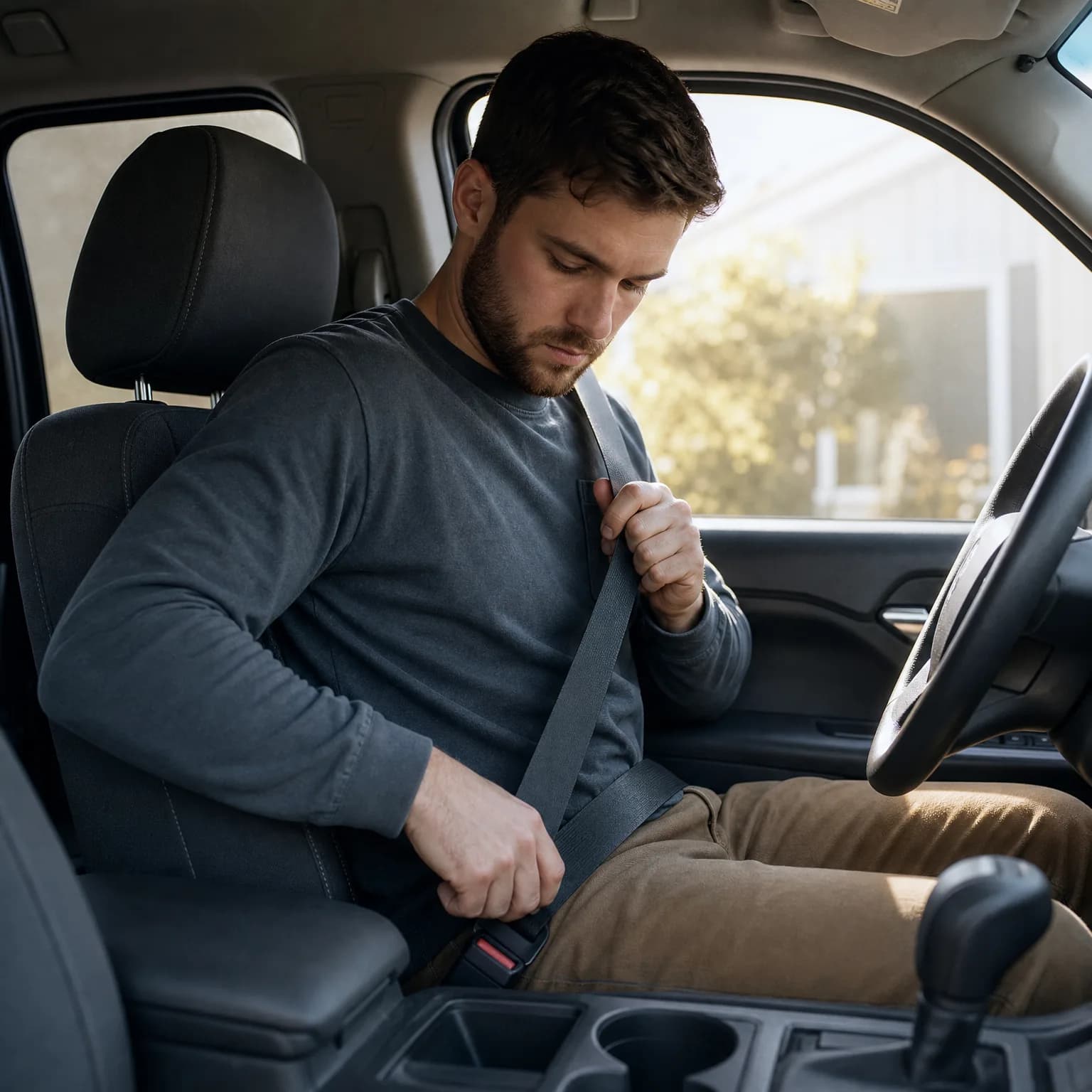
How to Compare Non-Owner SR-22 Quotes Across New Mexico Carriers
Start with non-owner SR-22 carriers licensed in New Mexico who write policies for your specific suspension cause. Request quotes from at least three carriers to establish the pricing range for your profile. Bristol West, Dairyland, Geico, Progressive, National General, and The General all write non-owner SR-22 in New Mexico, but eligibility varies by violation history and age.
Provide the carrier with your suspension cause, the exact filing period required by the MVD (typically stated in the reinstatement notice), your zip code, and your birthdate. Carriers price non-owner SR-22 by age bracket—drivers under 25 pay 30–50% higher premiums than drivers 35–55 with identical violation histories. The carrier will quote liability-only coverage at New Mexico's minimum limits ($25,000/$50,000/$10,000) and optionally higher limits if you want additional protection when driving borrowed vehicles.
Confirm the carrier files Form SR-22 electronically with the New Mexico MVD within 24 hours of policy binding. Most carriers file the same business day, but paper-filing carriers can delay reinstatement by 5–7 business days. Ask whether the policy includes a lapse grace period—some carriers allow 10 days past the due date before canceling and notifying the MVD, while others cancel on day 1 of non-payment. Longer grace periods reduce re-suspension risk if a payment processing error occurs.
Reinstatement Steps After Securing Non-Owner SR-22 Coverage
Once the carrier files Form SR-22 with the New Mexico MVD, the filer must pay the $25 base reinstatement fee plus any outstanding fines, DWI program fees, or administrative penalties tied to the underlying suspension. The reinstatement fee applies to standard suspensions; DWI revocations carry separate revocation reinstatement fees and require completion of DWI school and ignition interlock enrollment before the MVD processes reinstatement.
The MVD processes reinstatement applications within 5–10 business days after receiving proof of SR-22 filing and payment confirmation. Applicants can check reinstatement status online through the MVD portal using their driver's license number. The reinstated license remains conditional during the SR-22 filing period—any lapse in coverage, missed premium payment, or violation of restricted license terms triggers immediate re-suspension.
DUI-triggered restricted licenses issued under the Ignition Interlock Licensing Act limit driving to court-approved purposes: typically work, school, medical appointments, DWI program attendance, and ignition interlock service appointments. The court defines the approved routes and hours in the restricted license order. Driving outside approved purposes or hours while holding a restricted license is a separate traffic offense that extends the original suspension period and can add criminal charges depending on the circumstances.
Frequently Asked Questions
Can I get non-owner SR-22 insurance in New Mexico if I don't have a driver's license yet?
No. New Mexico carriers require an active or reinstatable driver's license to issue non-owner SR-22 policies. You must pay the reinstatement fee and resolve outstanding suspensions before carriers will bind coverage. Once the license is reinstated, the carrier files SR-22 retroactively to the reinstatement date.
Does non-owner SR-22 cover me when I rent a car in New Mexico?
Yes. Non-owner SR-22 provides liability coverage when you drive a rental vehicle, treating it the same as any borrowed vehicle you don't own. The rental company's collision damage waiver is separate and not replaced by your non-owner policy.
What happens if I move out of New Mexico during my SR-22 filing period?
New Mexico's SR-22 filing requirement follows you to your new state. You must obtain SR-22 coverage from a carrier licensed in the new state and notify the New Mexico MVD of the address change. The filing period clock continues uninterrupted as long as coverage remains continuous.
Can I cancel my non-owner SR-22 policy after my license is reinstated?
No. You must maintain continuous SR-22 coverage for the full filing period ordered by the MVD—typically 2 years for uninsured violations and 3 years for DUI convictions. Canceling early triggers immediate re-suspension.
Will my non-owner SR-22 premium go down if I complete DWI school?
Completing court-ordered DWI school satisfies a reinstatement requirement but does not reduce your non-owner SR-22 premium mid-policy. Premiums may decrease at renewal if you maintain a claims-free record during the first policy term.
Do I need ignition interlock on a borrowed car if I have a DUI restricted license in New Mexico?
It depends on your restricted license order. New Mexico courts issuing Ignition Interlock Licenses under NMSA §§ 66-5-503 to 66-5-523 typically require ignition interlock on any vehicle the filer drives, including borrowed vehicles. Check your court order or contact the MVD Ignition Interlock Program for your specific case.
Can I get non-owner SR-22 if my license was suspended for unpaid child support in New Mexico?
Child support suspensions in New Mexico typically do not require SR-22 filing—they require payment arrangements with the New Mexico Child Support Enforcement Division. Once you establish a payment plan and obtain clearance, the MVD lifts the suspension without SR-22. Standard liability insurance suffices for reinstatement.
Related Articles

NM Non-Owner SR-22 vs Owner: When Non-Owner Saves Money
5/19/2026

New Mexico Non-Owner Insurance: No SR-22 Required
5/19/2026

Non-Owner SR-22 in New Mexico After Reckless Driving
5/19/2026

NH Non-Owner SR-22 Cost by Cause | Premium Ranges
5/19/2026

Non-Owner SR-22 Eligibility in New Mexico: Who Qualifies
5/19/2026

NJ Non-Owner SR-22 Cost by Cause: DUI vs Uninsured
5/19/2026