
New Jersey Non-Owner SR-22: Filing Path, Premium Range, Carriers
Get My Non-Owner SR-22 QuoteWhat Non-Owner SR-22 Insurance Actually Does in New Jersey
Non-owner SR-22 insurance provides liability coverage when you drive someone else's vehicle with permission and satisfies New Jersey's financial responsibility filing requirement without attaching to a specific vehicle you own. The policy meets the state's minimum liability requirements of $15,000 per person, $30,000 per accident for bodily injury, and $5,000 for property damage, plus the required PIP and uninsured motorist coverage New Jersey mandates under its choice no-fault framework.
New Jersey technically uses an FS-1 form rather than the SR-22 terminology used in most states, but carriers and the New Jersey Motor Vehicle Commission (NJMVC) colloquially refer to the process as SR-22 filing. The functional result is identical: your carrier electronically reports your continuous coverage to the NJMVC, and any lapse triggers an automatic notification that can lead to extended suspension.
The policy does not cover vehicles you own or lease. If you acquire a vehicle during the filing period, you must convert to a standard owner policy or stack coverage immediately. Driving an owned vehicle under a non-owner policy leaves you completely uninsured for that vehicle and violates New Jersey's compulsory insurance law, which can trigger a one-year license suspension under N.J.S.A. 39:6B-2.

Who Qualifies for Non-Owner SR-22 in New Jersey and Why Carriers Care
You qualify for non-owner SR-22 if you hold a valid New Jersey driver's license or conditional license, do not own or lease a vehicle, and need to satisfy a financial responsibility filing requirement imposed by the NJMVC after a violation. Common triggers include DUI/DWI convictions, uninsured driving suspensions under N.J.S.A. 39:6B-2, reckless driving, or accumulating points that led to administrative suspension.
Carriers underwrite non-owner policies more conservatively than standard policies because the applicant's suspension history signals elevated risk. Expect underwriting questions about the violation that triggered your filing requirement, any prior lapses in coverage, current license status, and whether you have regular access to a household vehicle. Honest disclosure is critical: misrepresenting your violation or household vehicle access can void coverage retroactively and restart your filing period from zero.
New Jersey's electronic insurance monitoring system links directly to carrier reporting. Any lapse, cancellation for non-payment, or policy termination triggers an automatic notification to the NJMVC. The state does not offer a statutory grace period once a lapse is reported. Reinstatement after a lapse requires resolving the underlying suspension, paying the $100 restoration fee, and submitting proof of current coverage before the NJMVC will restore your license or conditional license.

Premium Range for Non-Owner SR-22 in New Jersey by Violation Type
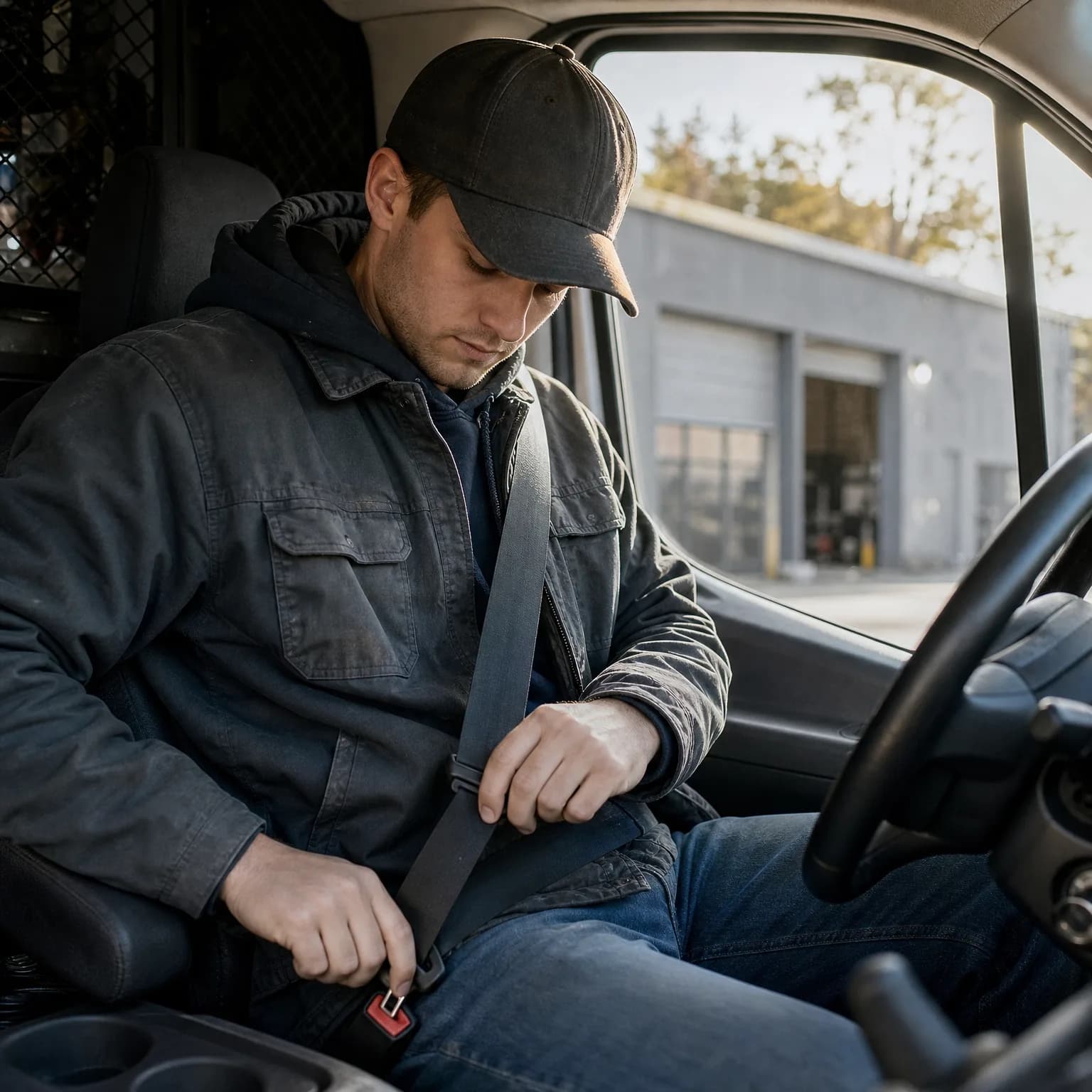
Non-owner SR-22 premiums in New Jersey typically range from $40 to $90 per month for drivers with a single DUI/DWI violation and no prior lapses. Uninsured driving suspensions under N.J.S.A. 39:6B-2 generally fall in the $35 to $75 per month range. Reckless driving or point accumulation suspensions without alcohol-related factors typically cost $30 to $65 per month. These estimates reflect six-month policy terms paid monthly and assume continuous coverage without lapses.
New Jersey's Surcharge Violation System (SVS) operates independently of your insurance premium and adds annual surcharges ranging from $250 to $1,000 per year depending on the violation. DUI/DWI convictions trigger a $1,000 annual surcharge for three years. Uninsured driving convictions carry a $250 annual surcharge. These surcharges are billed separately by the NJMVC and must be resolved before reinstatement, regardless of your insurance policy status.
Premiums for non-owner SR-22 are 30-60% lower than owner SR-22 policies because there is no vehicle to insure for comprehensive or collision coverage. However, if your violation involved alcohol, expect carriers to apply elevated multipliers. Bristol West, National General, and Progressive write non-owner SR-22 in New Jersey and quote online or through brokers. Estimates based on available industry data; individual rates vary by driving history, age, and specific violation details.

Cover Your Filing Before You Own a Car Again
Get My Non-Owner SR-22 QuoteCarriers Writing Non-Owner SR-22 in New Jersey and How to Apply
Three carriers consistently write non-owner SR-22 policies in New Jersey: Bristol West, National General, and Progressive. Bristol West operates through brokers and specializes in non-standard auto insurance, making them a strong option for drivers with recent DUI/DWI or multiple violations. National General offers online quotes and files electronically with the NJMVC within 24-48 hours of policy binding. Progressive provides online quoting and same-day filing for approved applicants, though approval timelines vary by underwriting complexity.
Applying for non-owner SR-22 requires providing your New Jersey driver's license number, the violation date and type, current license status, and confirmation that you do not own or lease a vehicle. Carriers will pull your motor vehicle record (MVR) during underwriting, so discrepancies between your application and your actual record will delay or deny coverage. If you have a conditional license issued after DUI/DWI, expect carriers to verify your Intoxicated Driver Resource Center (IDRC) enrollment status and ignition interlock compliance before binding coverage.
Once your policy binds, the carrier files the FS-1 form electronically with the NJMVC. Filing typically processes within 2-5 business days. You can verify filing status by contacting the NJMVC directly or checking your license status online. The NJMVC does not issue a physical FS-1 certificate; your carrier confirmation and policy declarations page serve as proof of filing. Keep digital and physical copies of both throughout your entire filing period.
What Happens If You Buy a Vehicle During Your Non-Owner SR-22 Filing Period
If you acquire a vehicle during your non-owner SR-22 filing period, you must convert to a standard owner policy with SR-22 filing attached within 30 days of acquisition. Driving an owned vehicle under a non-owner policy provides zero coverage for that vehicle and violates New Jersey's compulsory insurance law. The NJMVC's electronic monitoring system tracks vehicle registrations linked to your license; a mismatch between your registered vehicle and your non-owner policy status can trigger an automatic suspension notice.
Contact your carrier immediately when you acquire a vehicle. Most carriers allow you to convert your existing non-owner policy to an owner policy without restarting your filing period, though your premium will increase to reflect the added vehicle. Expect monthly premiums to rise by $80 to $200 depending on the vehicle's age, value, and your coverage selections. The SR-22 filing obligation continues uninterrupted as long as coverage remains continuous.
If you choose to stack coverage by maintaining your non-owner policy and adding a separate owner policy for the vehicle, only one policy needs to carry the SR-22 filing. Coordinate with your carrier to ensure the correct policy maintains the filing and that both policies remain active without lapses. Any lapse on either policy can trigger NJMVC notification and extend your filing period.

Filing Duration and How to Verify Your Requirement Is Satisfied
New Jersey typically requires SR-22 filing for three years after a DUI/DWI conviction, measured from the conviction date rather than the filing date. Uninsured driving suspensions under N.J.S.A. 39:6B-2 generally carry a three-year filing requirement as well. Reckless driving and point accumulation suspensions vary by case specifics and court orders; verify your exact filing duration with the NJMVC or the court that imposed your suspension.
The NJMVC does not send a notification when your filing period ends. You must track the end date yourself based on your conviction or suspension date plus the required filing period. Contact the NJMVC directly at least 30 days before your anticipated end date to confirm your filing obligation is satisfied and no additional restrictions remain on your license. If surcharges remain unpaid or additional suspensions have stacked during your filing period, your obligation may extend beyond the initial three-year term.
Once the NJMVC confirms your filing period is complete, you can cancel your SR-22 policy and switch to a standard policy without filing. However, maintaining continuous coverage without any lapses improves your insurance history and reduces future premiums. Canceling immediately after your filing period ends may signal higher risk to future carriers, even though you are no longer legally required to file.
Frequently Asked Questions
Can I get non-owner SR-22 in New Jersey if my license is still suspended?
Yes, you can purchase non-owner SR-22 while your license is suspended in New Jersey. Carriers will issue the policy and file the FS-1 form with the NJMVC even if your license is not yet reinstated. However, you must complete all other reinstatement requirements—paying the $100 restoration fee, resolving any surcharges, and satisfying court-ordered conditions—before the NJMVC will restore your license.
Does non-owner SR-22 in New Jersey cover me when driving a rental car?
Yes, non-owner SR-22 provides liability coverage when you drive a rental car in New Jersey, but it does not cover physical damage to the rental vehicle itself. The rental company's collision damage waiver (CDW) or a separate credit card benefit would cover damage to the rental car. Your non-owner policy only covers bodily injury and property damage you cause to others.
What happens if I miss a payment on my non-owner SR-22 policy in New Jersey?
Missing a payment triggers a cancellation notice from your carrier, and once the policy lapses, the carrier files an electronic lapse notification with the NJMVC. New Jersey does not offer a statutory grace period after a lapse is reported. The NJMVC will suspend your license or conditional license immediately, and you must purchase a new policy, pay the $100 restoration fee, and resolve any additional surcharges before reinstatement.
Can I use my non-owner SR-22 policy if I move out of New Jersey during the filing period?
Your New Jersey non-owner SR-22 policy will not transfer to another state if you move. You must purchase a new policy in your new state with SR-22 filing specific to that state's requirements. Contact the NJMVC to confirm whether your filing obligation transfers or terminates when you establish residency elsewhere, as some states recognize out-of-state filings and others do not.
Do I need to maintain PIP coverage on a non-owner SR-22 policy in New Jersey?
Yes, New Jersey requires PIP coverage on all auto insurance policies, including non-owner policies. Your non-owner SR-22 policy will include the state's minimum PIP coverage, which pays for medical expenses and lost wages if you are injured in an accident while driving a borrowed vehicle. This is part of New Jersey's choice no-fault insurance framework and cannot be waived.
Can I cancel my non-owner SR-22 policy immediately after my filing period ends?
Legally, yes—you can cancel once the NJMVC confirms your filing period is complete. However, canceling immediately can signal higher risk to future carriers and result in higher premiums when you purchase standard coverage later. Maintaining continuous coverage for at least six months beyond your filing period demonstrates stability and typically reduces future rates.
Related Articles

NJ Non-Owner SR-22 vs Owner SR-22: When to Choose
5/19/2026

NJ Non-Owner SR-22 Cost by Cause: DUI vs Uninsured
5/19/2026
Non-Owner FS-1 Filing in New Jersey Without a Car
5/19/2026

Non-Owner SR-22 NJ Uninsured Suspension: FS-1 Guide
5/19/2026

Non-Owner SR-22 Probationary License NJ
5/29/2026

NJ Non-Owner SR-22 Comparison Methodology Explained
5/19/2026