
NH Non-Owner SR-22 to Owner Conversion When You Buy a Car
Get My Non-Owner SR-22 QuoteWhy Your Non-Owner SR-22 Won't Cover a Vehicle You Now Own
A non-owner SR-22 policy provides liability coverage when you drive someone else's vehicle with permission. It satisfies New Hampshire's financial responsibility filing requirement after a DUI, at-fault uninsured accident, or other triggering event. The policy does not cover any vehicle titled in your name or registered to your household.
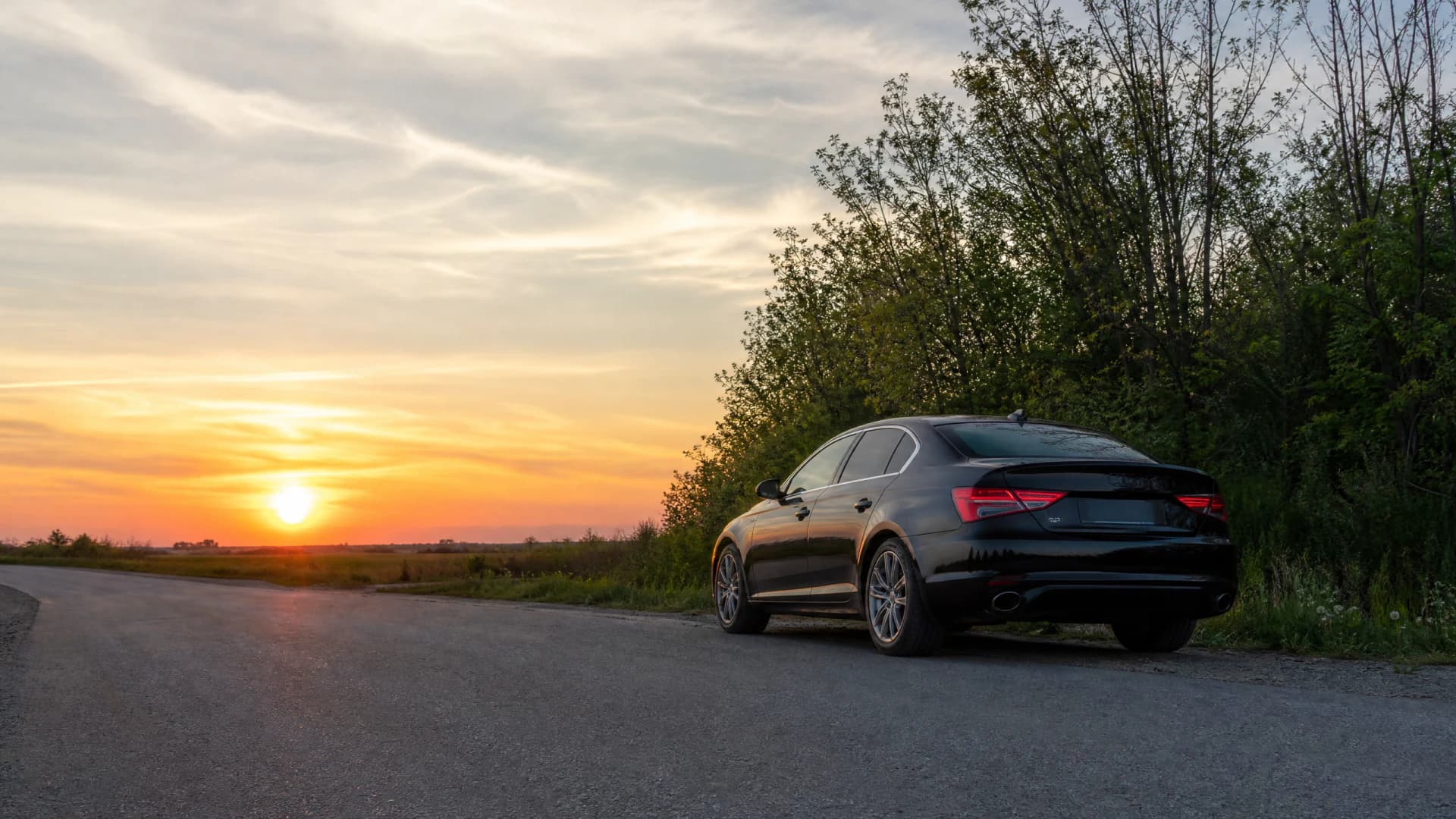
The moment you acquire a vehicle through purchase, gift, or title transfer, your non-owner policy stops covering that car. If you drive it under non-owner SR-22 coverage, you are both uninsured for that vehicle and in violation of your court or DMV SR-22 filing mandate. New Hampshire does not require auto insurance for baseline driving, but once you are under a financial responsibility order, that order applies to all vehicles you operate.
Most carriers will not notify you proactively that your non-owner policy is now insufficient. The burden to convert sits with you. If the carrier discovers you own a vehicle and are still on a non-owner policy, they may cancel your coverage for misrepresentation and file Form SR-26 with the New Hampshire Division of Motor Vehicles, reporting the lapse. That triggers suspension.

How Non-Owner to Owner SR-22 Conversion Works in New Hampshire
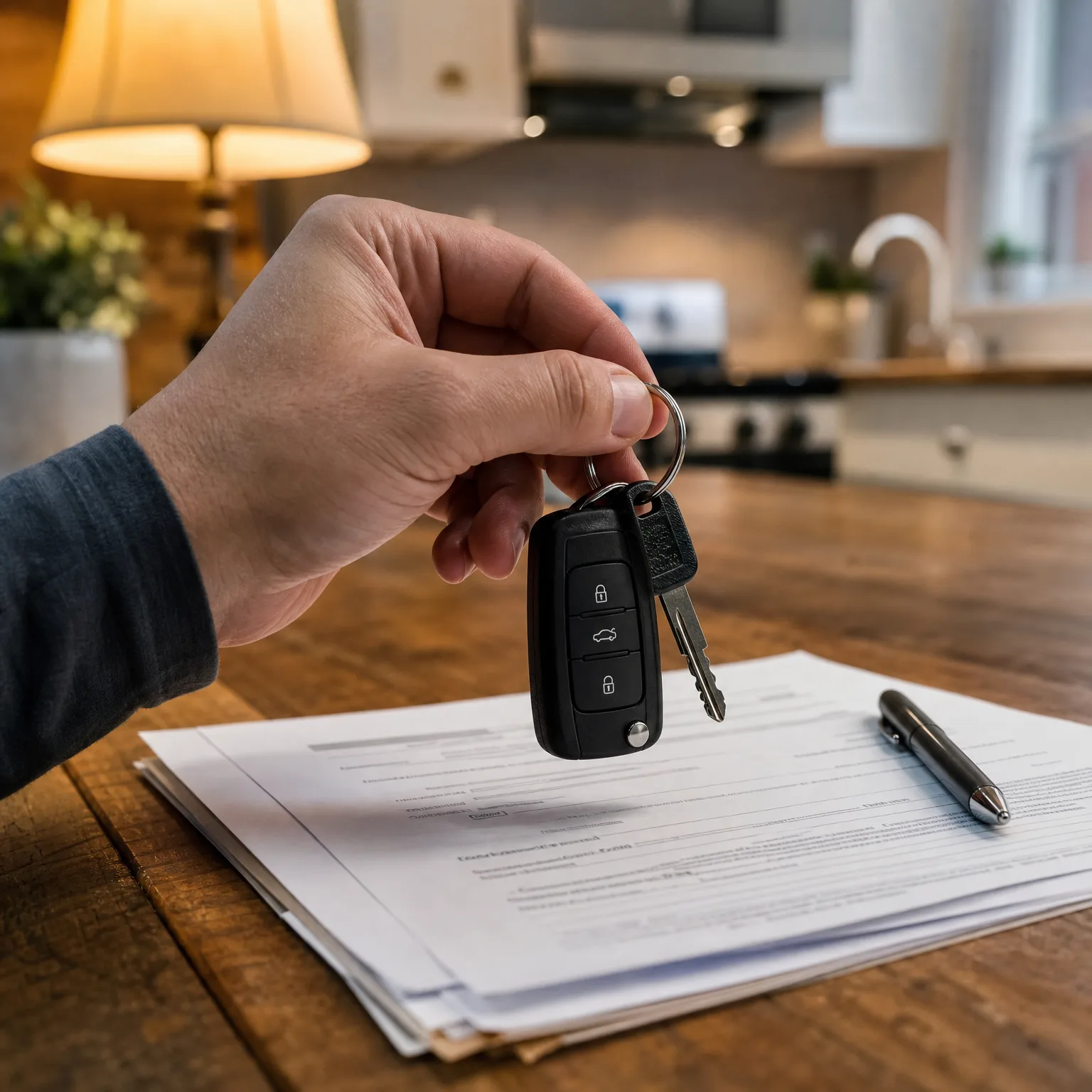
Contact your current non-owner SR-22 carrier the same day you acquire the vehicle. Provide the VIN, make, model, year, and title information. The carrier will convert your policy from non-owner liability to a standard owner auto policy covering the newly acquired vehicle. Most carriers can process the conversion immediately if you already have the vehicle information.
The carrier will file a new SR-22 form with the New Hampshire DMV reflecting the updated policy. This is not a lapse. The SR-22 filing remains continuous as long as the conversion happens before your non-owner policy renews or is canceled. Your filing period clock does not restart. If you were two years into a three-year SR-22 requirement, the conversion does not add time.
If your current carrier does not write owner SR-22 policies in New Hampshire, or if their owner-policy premium is prohibitively high, you must bind a new owner SR-22 policy with a different carrier before canceling your non-owner policy. The new carrier files SR-22 on the owner policy. Once the DMV receives the new filing, cancel the non-owner policy. A gap of even one day between the non-owner cancellation and the owner SR-22 filing triggers a lapse notice to the DMV.
Carriers That Write Both Non-Owner and Owner SR-22 in New Hampshire
Geico, Progressive, Bristol West, National General, and The General all write non-owner SR-22 and owner SR-22 policies in New Hampshire. If you currently hold non-owner SR-22 with one of these carriers, conversion typically requires a single phone call and immediate premium adjustment. Owner SR-22 premiums run 40-80% higher than non-owner premiums because the policy now covers a specific vehicle with collision and comprehensive exposure.
State Farm writes SR-22 in New Hampshire but does not offer non-owner policies. If your non-owner policy is with a carrier that does not write owner policies, you will need to bind with a new carrier. USAA writes both non-owner and owner SR-22 for eligible members. Bristol West and National General specialize in non-standard auto and typically offer competitive owner SR-22 rates for drivers with violations.
Do not cancel your non-owner policy until the new owner SR-22 filing is confirmed received by the New Hampshire DMV. Most carriers can verify DMV receipt within 24 to 48 hours of filing. A confirmed filing date is not the same as DMV receipt. Wait for explicit confirmation from the new carrier that the state has processed the SR-22 before canceling the non-owner policy.

Cover Your Filing Before You Own a Car Again
Get My Non-Owner SR-22 QuoteWhat Happens If You Drive Your New Vehicle Under Non-Owner Coverage
If you drive a vehicle you own while covered only by a non-owner SR-22 policy, you are uninsured for that vehicle under New Hampshire law. Non-owner policies exclude coverage for any vehicle owned by the named insured or a household member. If you cause an accident, the carrier will deny the claim. You remain personally liable for all damages.
New Hampshire does not mandate auto insurance for drivers not under a financial responsibility order, but if you are under such an order and you own a vehicle, you must carry owner liability coverage on that vehicle. Driving uninsured while under an SR-22 filing mandate violates the terms of your reinstatement or restricted driving privilege. The state can suspend your license administratively without a hearing.
If your carrier discovers you own a vehicle and have not converted your policy, they may cancel your non-owner coverage retroactively and file SR-26 with the DMV. The DMV treats retroactive cancellation the same as a lapse. Your license suspension is reinstated, and you must pay the $100 reinstatement fee again under RSA 263:42 after binding a new owner SR-22 policy.

Premium Impact and Filing Duration After Conversion
Owner SR-22 premiums in New Hampshire typically range from $140 to $240 per month for drivers with a DUI filing requirement, depending on age, vehicle value, and county. Non-owner SR-22 premiums for the same driver profile typically range from $85 to $140 per month. The premium increase reflects the addition of a specific vehicle to the policy and the carrier's exposure to comprehensive and collision claims.
Your SR-22 filing period does not restart when you convert from non-owner to owner coverage. If you were ordered to maintain SR-22 for three years following a DUI conviction, the clock continues uninterrupted as long as there is no lapse between the non-owner cancellation and the owner SR-22 filing. Verify your remaining filing duration with the New Hampshire DMV or your sentencing court before converting.
New Hampshire allows financial responsibility to be demonstrated via SR-22 insurance filing, surety bond, or cash deposit with the DMV. Most drivers use SR-22 because bond and deposit options require posting approximately $75,000 in liquid security. Once you convert to owner SR-22, that filing must remain active for the full ordered period. A single day of lapse triggers suspension and reinstatement requirements under RSA 264.

New Hampshire Ignition Interlock and Restricted Driving Privilege Considerations
If you are driving under a New Hampshire Restricted Driving Privilege for a DUI offense, your court order likely requires ignition interlock device installation on any vehicle you operate. Non-owner SR-22 policies do not attach an IID because no specific vehicle is covered. Once you convert to owner SR-22, you must install an IID on the newly acquired vehicle before driving it.
Ignition interlock installation must be completed by a state-approved vendor. New Hampshire RSA 265-A:36 governs IID requirements for DWI offenders seeking restricted driving privileges. The IID requirement is separate from the SR-22 filing requirement. Both must be satisfied to maintain your restricted driving privilege. Failure to install IID on a newly acquired vehicle violates your court order and can result in revocation of your restricted privilege.
The restricted driving privilege typically limits you to work, medical, and essential purposes with specific routes and time restrictions defined by the court or DMV. Adding a newly acquired vehicle to your restricted privilege may require filing an amended petition with the court or submitting updated documentation to the DMV. Verify with the issuing authority before driving the vehicle under your restricted privilege.
Frequently Asked Questions
Can I add a vehicle to my non-owner SR-22 policy in New Hampshire instead of converting?
No. Non-owner SR-22 policies exclude coverage for vehicles owned by the named insured or household members by design. You cannot add a vehicle to a non-owner policy. You must convert to an owner SR-22 policy or bind a new owner policy with a different carrier before driving the vehicle.
How long does it take the New Hampshire DMV to process a non-owner to owner SR-22 conversion filing?
Most carriers file SR-22 electronically with the New Hampshire Division of Motor Vehicles. DMV receipt confirmation typically occurs within 24 to 48 hours. Do not cancel your non-owner policy until your new carrier confirms the DMV has received and processed the owner SR-22 filing to avoid a lapse.
Will my SR-22 filing period restart if I convert from non-owner to owner coverage?
No. Your SR-22 filing period continues uninterrupted as long as there is no gap between the non-owner cancellation and the owner SR-22 filing. If you were ordered to file SR-22 for three years after a DUI, the clock does not restart when you acquire a vehicle and convert policies.
What happens if I buy a car but keep my non-owner SR-22 policy active without converting?
You are uninsured for the vehicle you now own. Non-owner policies do not cover owned vehicles. If you cause an accident, the carrier will deny the claim. If the carrier discovers you own a vehicle, they may cancel your policy and file SR-26 with the DMV, triggering license suspension.
Do I need to install an ignition interlock device on a vehicle I just bought if I have a New Hampshire restricted driving privilege for DUI?
Yes. RSA 265-A:36 requires IID installation on any vehicle you operate under a restricted driving privilege for DWI. Non-owner policies do not require IID because no specific vehicle is covered. Once you own a vehicle, IID installation is mandatory before driving it under your restricted privilege.
Can I switch to a cheaper carrier when I convert from non-owner to owner SR-22 in New Hampshire?
Yes, but you must bind the new owner SR-22 policy and confirm the DMV has received the filing before canceling your non-owner policy. A gap of even one day between cancellation and the new filing triggers a lapse notice to the DMV and reinstates your suspension.
Related Articles
NH Non-Owner SR-22: Coverage Scope & Premium Range
5/19/2026
Non-Owner SR-22 Cost NH: Premiums for Carless Filers
5/19/2026

NH Non-Owner SR-22: Filing, Premium Range, Carriers
5/19/2026
Non-Owner to Owner SR-22 Conversion in New Mexico
5/19/2026
Non-Owner to Owner SR-22 Conversion After Buying a Car
5/19/2026

Vermont Non-Owner to Owner SR-22 Conversion Guide
5/19/2026