Nevada Non-Owner SR-22: Filing Path, Premium Range, and Carriers
Get My Non-Owner SR-22 QuoteWhy Non-Owner SR-22 Exists and How It Satisfies Nevada DMV Requirements
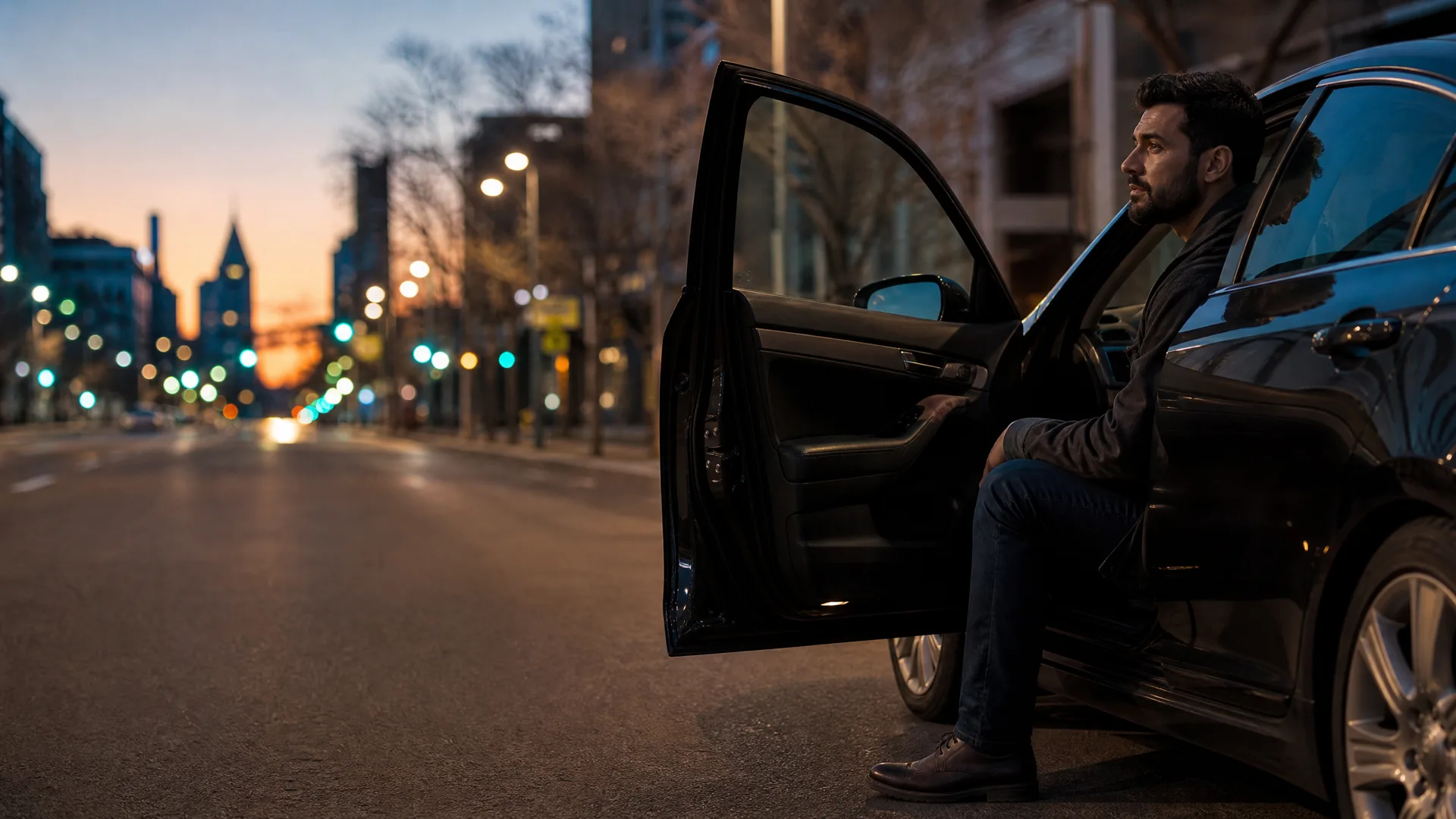
Non-owner SR-22 insurance provides liability coverage when you drive a vehicle you do not own. The policy does not attach to a specific car. It follows you as the named insured, covering borrowed vehicles, rental cars, or any vehicle you drive with the owner's permission.
Nevada DMV requires SR-22 filing for most DUI suspensions, some reckless driving cases, and driving without insurance violations. The SR-22 is not insurance itself. It is a certificate your insurer files electronically with Nevada DMV through the Nevada Insurance Verification System (NIVS), confirming you carry at least the state's minimum liability coverage: $25,000 bodily injury per person, $50,000 per accident, and $20,000 property damage.
Non-owner SR-22 satisfies this requirement fully. Nevada DMV does not require you to own a vehicle to file SR-22. The filing proves financial responsibility. As long as the policy remains active and the carrier maintains the electronic filing, your reinstatement path stays open.
If you acquire a vehicle during the SR-22 filing period, you must convert to a standard owner policy or add the vehicle to your non-owner policy. Most carriers allow this mid-term, but premiums will increase because the insurer now covers collision and comprehensive risk on a specific car.

Premium Range for Non-Owner SR-22 in Nevada and Why It Costs Less
Non-owner SR-22 premiums in Nevada typically run $30 to $70 per month, depending on your violation history, age, and the carrier's underwriting tier. Standard owner SR-22 policies cost $85 to $190 per month in Nevada for the same driver profile. The difference comes down to exposure: non-owner policies provide liability-only coverage with no vehicle to insure for physical damage.
Carriers writing non-owner SR-22 in Nevada include Geico, Progressive, The General, Dairyland, and Bristol West. Not all non-standard insurers offer non-owner policies. Bristol West, for example, typically requires broker placement rather than direct online purchase. Dairyland and The General offer both direct online quotes and broker channels.
The filing fee is separate from the premium. Nevada DMV does not charge a filing fee for SR-22 submission itself, but the insurer may charge $15 to $25 to file the form on your behalf. Some carriers include this in the first premium payment. Others bill it separately. Ask at quote time.
Estimates based on available industry data; individual rates vary by driving history, coverage selections, and exact ZIP code within Nevada.


Carriers Writing Non-Owner SR-22 in Nevada and Filing Speed
Nevada's SR-22 filing system runs through NIVS, an electronic verification platform insurers use to report policy issuances, cancellations, and lapses in near-real-time. Not all carriers participate directly in NIVS. If your insurer does not file electronically, Nevada DMV will not receive the SR-22 confirmation, and your reinstatement will stall even if you paid the premium.
Geico, Progressive, Dairyland, The General, and Bristol West all file electronically in Nevada. Most file within 24 to 72 hours of policy purchase. Some file same-day. The DMV's system updates within 48 hours of receiving the electronic filing. You can verify receipt by calling Nevada DMV at 775-684-4368 or checking your DMV record online through dmvnv.com if you have an account.
If you purchased a non-owner SR-22 policy more than five business days ago and Nevada DMV still shows no filing on record, contact your insurer's SR-22 department directly. Do not assume the filing happened automatically. Errors occur. Carriers occasionally file to the wrong state or miskey the driver's license number, and NIVS rejects the submission without notifying the policyholder.
Once the SR-22 is on file, you must keep the policy active for the entire filing period Nevada DMV assigned. For first-time DUI offenders, this is typically three years from the conviction date. If the policy lapses for any reason, the insurer notifies Nevada DMV electronically, and your license suspension reinstates immediately.

Cover Your Filing Before You Own a Car Again
Get My Non-Owner SR-22 QuoteWhat Non-Owner SR-22 Covers and What It Does Not
Non-owner SR-22 provides liability coverage when you drive a borrowed vehicle, a rental car, or any car you do not own. If you cause an accident while driving someone else's car, the policy pays up to the limits you selected for bodily injury and property damage claims against you. It does not cover damage to the vehicle you were driving. The owner's insurance covers their own vehicle.
Non-owner policies do not cover vehicles you own, lease, or have regular access to. If you live with someone who owns a car and you drive it frequently, most carriers exclude that vehicle from coverage unless you add it specifically and convert to an owner policy. If you are listed on someone else's policy as a named driver, you may not need non-owner coverage at all, but you still need SR-22 filing. Some carriers allow SR-22 filing on a named-driver policy. Others require you to be the primary policyholder.
Non-owner SR-22 does not cover comprehensive or collision claims. It does not cover medical payments for your own injuries unless you add that coverage as an endorsement, which most non-standard carriers do not offer on non-owner policies. It is a compliance product first. The goal is to satisfy Nevada DMV's financial responsibility requirement at the lowest cost.
If you acquire a vehicle during the filing period, tell your insurer immediately. Most carriers allow mid-term conversion to an owner policy. If you delay and drive the newly acquired vehicle under a non-owner policy, you have no physical damage coverage, and liability coverage may not apply because the vehicle is now excluded.
Filing Duration and Reinstatement Process After SR-22 Completion
Nevada typically requires three years of SR-22 filing for DUI-related suspensions, measured from the conviction date, not the filing date. If you were convicted on April 10, 2023, your SR-22 filing period ends April 10, 2026, even if you did not purchase the policy until months later. Late filing does not shorten the period.
Uninsured driving suspensions and reckless driving cases may carry shorter filing periods, typically one to two years. The reinstatement notice Nevada DMV sends after your suspension lists the exact filing duration. If you lost that notice, call Nevada DMV at 775-684-4368 and request a copy of your suspension order. The filing end date should appear on your DMV driving record.
Once the filing period ends, your insurer does not notify you. They simply stop filing. Nevada DMV's system updates automatically, and the SR-22 requirement drops from your record. You can cancel the non-owner policy without penalty once the requirement clears, but verify with Nevada DMV first. If you cancel one day early, the lapse triggers a new suspension, and you start the filing clock over.
Reinstatement requires paying a $35 base fee plus any additional fees tied to your specific suspension cause. DUI suspensions often carry separate alcohol program completion requirements and ignition interlock installation mandates before Nevada DMV lifts the suspension. The SR-22 filing is one piece. Verify all reinstatement steps with Nevada DMV before canceling coverage.
Restricted License and Ignition Interlock Requirements for DUI Cases
Nevada offers a restricted license after a 45-day hard suspension period for first-time DUI offenders. The restricted license allows driving to and from work, school, medical appointments, and court-ordered programs. Nevada DMV typically requires SR-22 filing and ignition interlock device (IID) installation as conditions of the restricted license.
The IID requirement applies separately from SR-22 filing. You must install the device in any vehicle you drive, including borrowed vehicles if you have regular access. If you hold a non-owner SR-22 policy and do not own a car, you cannot install an IID because there is no vehicle to install it in. This creates a procedural conflict: Nevada DMV requires IID for the restricted license, but non-owner policyholders have no vehicle.
In practice, Nevada DMV often waives the IID requirement for non-owner SR-22 filers during the restricted license period, but not always. The waiver is discretionary, not automatic. If you plan to apply for a restricted license without owning a vehicle, contact Nevada DMV at 775-684-4368 before filing your application. Ask whether IID will be required given that you hold a non-owner policy. If DMV insists on IID, you may need to delay the restricted license application until you acquire a vehicle or accept that the restricted license is not available to you.
The restricted license application requires proof of SR-22 filing, proof of employment or school enrollment, and payment of a reinstatement fee. Court orders may apply in some DUI cases. Processing typically takes 7 to 14 business days once all documents are submitted. Nevada DMV does not offer fully online restricted license applications. You must appear in person at a DMV office or submit by mail.
Frequently Asked Questions
Can I get non-owner SR-22 in Nevada if I lost my license for DUI?
Yes. Non-owner SR-22 satisfies Nevada DMV's financial responsibility requirement for DUI suspensions. The policy provides liability coverage when you drive a borrowed vehicle and allows your insurer to file Form SR-22 electronically with Nevada DMV. You do not need to own a car to file SR-22 or meet reinstatement requirements.
How much does non-owner SR-22 cost per month in Nevada?
Non-owner SR-22 premiums in Nevada typically run $30 to $70 per month, depending on your violation history and the carrier's underwriting tier. This is 30-60% lower than standard owner SR-22 policies because the insurer covers liability only, with no vehicle to insure for physical damage. Estimates vary by age, ZIP code, and exact coverage limits.
What happens if my non-owner SR-22 policy lapses before the filing period ends?
If your non-owner SR-22 policy lapses for any reason, your insurer notifies Nevada DMV electronically through NIVS, and your license suspension reinstates immediately. You must purchase a new policy, file SR-22 again, and restart the filing clock from the beginning. Nevada DMV does not offer grace periods for lapsed SR-22 filings.
Do I need ignition interlock if I only have a non-owner SR-22 policy in Nevada?
Nevada typically requires ignition interlock for restricted licenses after DUI convictions, but non-owner policyholders have no vehicle to install the device in. Nevada DMV sometimes waives the IID requirement for non-owner SR-22 filers, but the waiver is discretionary. Call Nevada DMV at 775-684-4368 before applying for a restricted license to confirm whether IID will be required in your case.
Can I switch from non-owner SR-22 to owner SR-22 if I buy a car during the filing period?
Yes. Most carriers allow mid-term conversion from non-owner to owner SR-22 when you acquire a vehicle. Your premium will increase because the insurer now covers collision and comprehensive risk on a specific car. Notify your insurer immediately when you purchase or receive a vehicle, or your non-owner policy may not cover you while driving it.
Which carriers file SR-22 electronically in Nevada, and how fast does it process?
Geico, Progressive, Dairyland, The General, and Bristol West all file SR-22 electronically through Nevada's NIVS system. Most file within 24 to 72 hours of policy purchase, and Nevada DMV's system updates within 48 hours of receiving the filing. You can verify receipt by calling Nevada DMV at 775-684-4368 or checking your driving record online at dmvnv.com.
How long do I need to keep non-owner SR-22 in Nevada after a DUI?
Nevada requires three years of SR-22 filing for first-time DUI convictions, measured from the conviction date, not the filing date. The exact duration appears on your reinstatement notice from Nevada DMV. Do not cancel the policy until you confirm with Nevada DMV that the filing requirement has cleared, or you will trigger a new suspension.
Related Articles

Nevada Non-Owner SR-22 vs Owner SR-22: Cost Comparison
5/19/2026

Nevada Non-Owner SR-22 Cost: $40–$75/mo by Cause
5/19/2026

Nevada Non-Owner SR-22 Without a Vehicle | Filing Guide
5/19/2026
Non-Owner SR-22 Nevada Multiple-Violations Suspension
5/19/2026

Nevada Non-Owner SR-22 by Cause: DUI vs Uninsured
5/19/2026

NE Non-Owner SR-22 vs Owner: When Non-Owner Saves
5/19/2026