
Montana Non-Owner SR-22 Premium Range by Suspension Cause
Get My Non-Owner SR-22 QuoteWhat Non-Owner SR-22 Costs in Montana by Cause
Non-owner SR-22 premiums in Montana range from $40–$70/month for insurance lapse or unpaid ticket suspensions, $85–$140/month for points accumulation or uninsured driving, and $140–$230/month for DUI or reckless driving convictions. The carrier files Form SR-22 with the Montana Motor Vehicle Division on your behalf as proof of financial responsibility—the filing itself carries a separate $25 state fee paid to the MVD at reinstatement.
You don't own a vehicle right now. Either it was impounded after the underlying offense, sold during the suspension period, or you never owned one. Non-owner SR-22 insurance provides liability coverage when you drive someone else's vehicle with permission and satisfies Montana's SR-22 requirement without a specific vehicle attached to the policy.
Estimates based on available industry data; individual rates vary by driving history, county, age, and carrier. Bristol West, Geico, National General, Progressive, State Farm, and The General write non-owner SR-22 in Montana as of current filings. Rural counties sometimes face limited carrier availability—check three carriers minimum before accepting the first quote.

Why DUI Causes Add 60–180% to Non-Owner SR-22 Premium
Montana requires 3-year SR-22 filing for DUI-related revocations under Montana Code Annotated § 61-8-402. Carriers classify DUI convictions as major violations and price non-owner SR-22 accordingly: $140–$230/month versus $40–$70/month for administrative suspensions.
The filing period starts when the MVD accepts the SR-22 certificate, not when the court issues the probationary license. Montana's probationary license system operates through district court petition—you must navigate both the MVD suspension and a court-approved restricted driving privilege. If your court petition takes 4–6 weeks to resolve but the carrier files SR-22 immediately upon policy purchase, you pay for filing months before you can legally drive under probationary terms.
Ignition interlock installation adds another timeline layer. Montana Code Annotated § 61-8-442 requires ignition interlock as a condition of DUI probationary license eligibility. The device must be installed and verified before the district court issues the probationary license. Most installers charge $75–$100 installation plus $70–$90/month monitoring. Budget SR-22 premium plus IID costs plus court filing fees when calculating total compliance cost over the 3-year period.
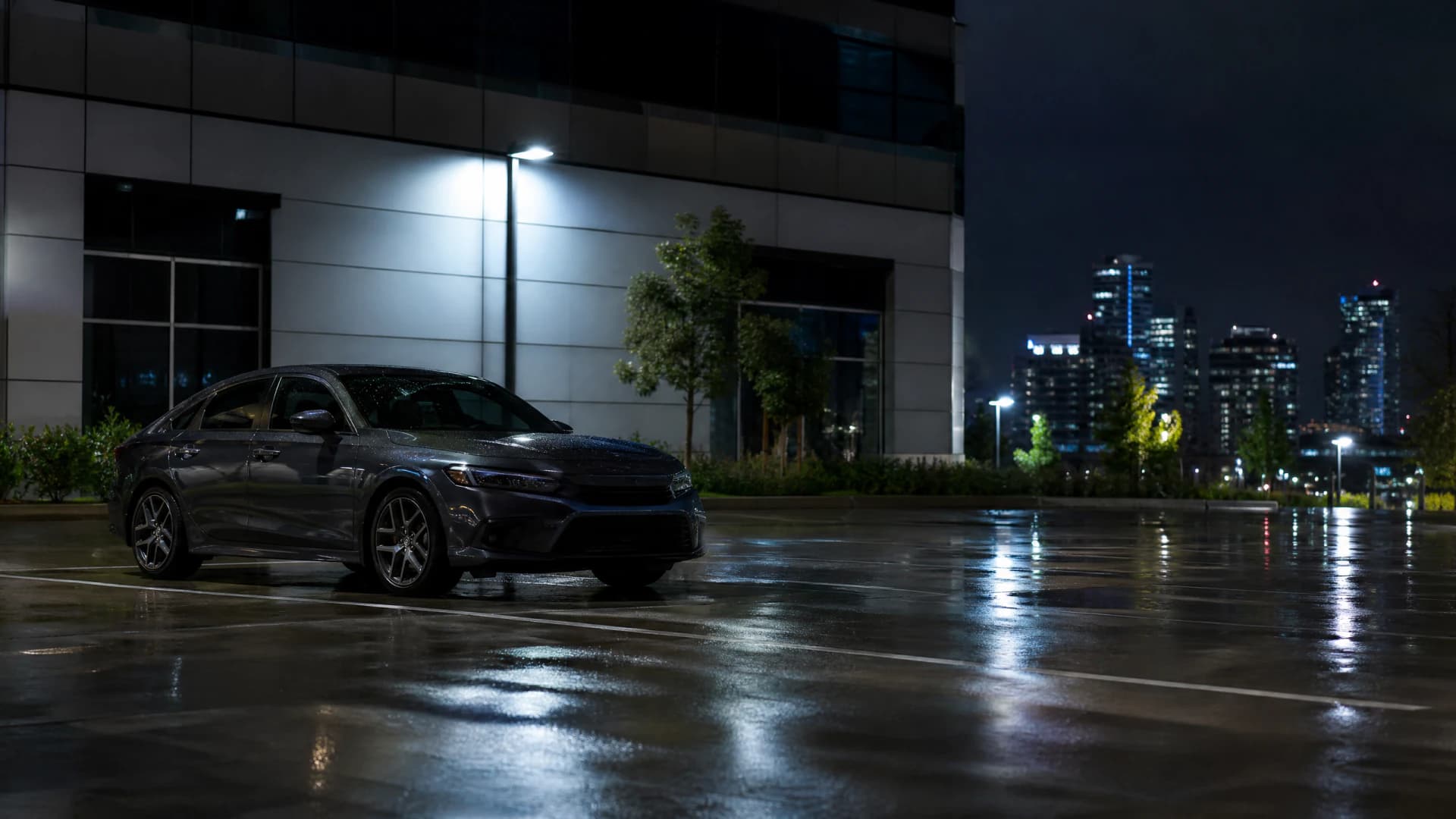

Non-Owner SR-22 Filing Period by Montana Trigger Type
Montana statute and MVD policy set different SR-22 filing durations by violation. DUI convictions require 3 years. Uninsured driving suspensions require 3 years. Reckless driving requires 3 years. Insurance lapse suspensions require 1 year from reinstatement date. Points accumulation suspensions typically require 1 year, but second or subsequent suspensions extend to 3 years.
The filing period is measured from the date the SR-22 is filed with the MVD, not from the conviction date or suspension start date. If you delay purchasing non-owner SR-22 coverage for six months after your suspension begins, the filing clock does not start until the carrier files the certificate. Montana statute defines the filing period as continuous: a lapse or cancellation restarts the entire period from zero.
If the carrier cancels your policy for non-payment or you cancel voluntarily before the filing period expires, the MVD suspends your driving privilege again within 10 days. The new suspension remains in effect until you file a new SR-22 and pay the $100 reinstatement fee again. Rural geography means delayed notification timelines in practice, but statute does not recognize a grace period—electronically reported lapses trigger registration suspension immediately.
What Non-Owner SR-22 Covers in Montana and What It Does Not
Non-owner SR-22 provides $25,000 bodily injury per person, $50,000 per accident, and $20,000 property damage liability coverage—Montana's statutory minimums—when you drive a vehicle you do not own with the owner's permission. It does not cover vehicles titled in your name. It does not cover vehicles you live with (household vehicles). It does not provide comprehensive or collision coverage on any vehicle.
If you acquire a vehicle during the 3-year filing period, you must convert to a standard owner SR-22 policy or the MVD will suspend your license again when the vehicle registration check reveals no attached SR-22 certificate. Montana ties SR-22 filing to the driver, not the vehicle, but insurers underwrite owner policies differently than non-owner policies. Expect premium to increase 40–80% when converting from non-owner to owner SR-22 mid-filing because the carrier now covers collision and comprehensive exposure.
Non-owner SR-22 does not satisfy probationary license insurance requirements if the court restricts you to driving a specific employer-owned vehicle or family member's vehicle. District courts in Montana occasionally impose vehicle-specific restrictions as a probationary license condition—verify your court order allows non-owner coverage before purchasing. If the order names a specific vehicle, you need an owner SR-22 policy on that vehicle or a named-driver endorsement with SR-22 filing attached.

Cover Your Filing Before You Own a Car Again
Get My Non-Owner SR-22 Quote
Montana Probationary License Timeline and Non-Owner SR-22 Filing Strategy
Montana's probationary license application path runs through district court by county, not directly through the MVD. You file a petition with the district court clerk in the county where you reside or where the offense occurred. The court schedules a hearing—typically 3–6 weeks from petition date depending on county docket load. The judge grants or denies probationary driving privileges at the hearing based on demonstrated need and compliance with underlying suspension conditions.
The MVD administers the underlying suspension, but the probationary license itself is a court-issued privilege. Most filers purchase non-owner SR-22 coverage before the court hearing to demonstrate financial responsibility compliance at the hearing. Carriers file Form SR-22 with the MVD electronically within 24–48 hours of policy purchase. Bring the SR-22 certificate copy and proof of ignition interlock installation to the court hearing.
Montana Code Annotated § 61-5-208 allows district courts to impose route, time, and purpose restrictions on probationary licenses. Montana courts interpret "necessary travel" broadly given rural geography: driving 50+ miles one-way for work or medical care is common and courts factor this into route conditions. Your non-owner SR-22 policy remains in force regardless of route restrictions—the court defines where you can drive, the insurance defines what you're covered for when you drive legally.

Carrier Availability and Quote Comparison Strategy for Montana Non-Owner SR-22
Bristol West, Geico, National General, Progressive, State Farm, and The General write non-owner SR-22 policies in Montana as of current state licensure filings. USAA writes non-owner SR-22 for eligible military members and veterans. Not all carriers operate in every county—Billings, Missoula, and Great Falls have full carrier availability; rural counties sometimes face limited options.
Premium spread between carriers runs 30–60% for identical coverage and filing requirement. A DUI filer quoted $230/month by one carrier may receive $145/month from another for the same $25,000/$50,000/$20,000 liability limits and 3-year SR-22 filing. Request quotes from three carriers minimum before binding coverage. Carriers price non-owner SR-22 using conviction date, age, county, and prior insurance history—the same violation produces different premiums across carriers.
Some carriers require broker contact for non-owner SR-22 quotes rather than offering online self-service. Bristol West and National General route non-owner SR-22 applicants through broker channels in most markets. Direct online quote availability varies by ZIP code. If online quote tools reject your application or show "contact us" messaging, call the carrier's SR-22 department directly rather than abandoning the quote.
What Happens If You Get a Vehicle During the Montana Filing Period
You acquire a vehicle 18 months into your 3-year SR-22 filing period. The non-owner policy does not cover that vehicle—non-owner SR-22 excludes coverage for vehicles titled to the named insured. You must convert to a standard owner SR-22 policy on the newly acquired vehicle or purchase a separate owner SR-22 policy and cancel the non-owner policy.
The carrier files an SR-26 cancellation notice with the MVD when you cancel the non-owner policy. If the new owner SR-22 policy is not filed before the cancellation processes, the MVD suspends your license again. To avoid gap suspension: purchase the owner SR-22 policy first, confirm the carrier files the new SR-22 certificate with the MVD, then cancel the non-owner policy. Montana allows only one active SR-22 filing per driver—you cannot stack non-owner and owner SR-22 simultaneously.
Premium increases 40–80% when converting from non-owner to owner SR-22 mid-filing because the carrier now underwrites comprehensive and collision exposure on a specific vehicle. A 2015 sedan triggers lower premium than a 2022 truck. If you're gifted a high-value vehicle during the filing period, calculate total premium cost over the remaining filing term before accepting title—selling the vehicle and continuing non-owner SR-22 may cost less than insuring it for 18 months.
Frequently Asked Questions
Can I get non-owner SR-22 in Montana if I've never owned a car?
Yes. Montana non-owner SR-22 is available to drivers who have never owned a vehicle, sold their vehicle during suspension, or had their vehicle impounded. The policy provides liability coverage when you drive someone else's vehicle with permission and satisfies the MVD's SR-22 filing requirement without a specific vehicle attached.
How much does non-owner SR-22 cost in Montana after a DUI?
Non-owner SR-22 premiums for DUI convictions in Montana range from $140–$230/month for the required 3-year filing period. Carriers classify DUI as a major violation and price accordingly. Total premium over 3 years runs $5,000–$8,300 plus the $25 MVD filing fee and ignition interlock device costs.
Does Montana non-owner SR-22 cover me if I borrow a family member's car?
Yes, if the vehicle is not titled in your name and you do not live in the same household as the owner. Non-owner SR-22 provides liability coverage when you drive a vehicle you do not own with permission. If you live with the vehicle owner, most carriers exclude household vehicles from non-owner coverage—you need a named-driver endorsement on the owner's policy instead.
What happens if I buy a car while my Montana non-owner SR-22 is active?
You must convert to a standard owner SR-22 policy on the newly acquired vehicle immediately. Non-owner SR-22 excludes coverage for vehicles titled to you. Purchase the owner SR-22 policy first, confirm the carrier files the new SR-22 with the MVD, then cancel the non-owner policy to avoid gap suspension.
How long does Montana require SR-22 filing for uninsured driving suspension?
Montana requires 3-year SR-22 filing for uninsured driving suspensions under Montana Code Annotated § 61-6-301. The filing period starts when the carrier files Form SR-22 with the Motor Vehicle Division, not when the suspension began. A lapse or cancellation before the 3-year period expires restarts the entire filing period from zero.
Can I get non-owner SR-22 in rural Montana counties with limited carriers?
Yes, but carrier availability narrows outside Billings, Missoula, and Great Falls. Bristol West, Geico, National General, Progressive, State Farm, and The General write non-owner SR-22 statewide, but some counties have only 2–3 accessible carriers. Request quotes from all available carriers before binding coverage—premium spread runs 30–60% for identical coverage.
Does Montana non-owner SR-22 satisfy probationary license insurance requirements?
Yes, unless the district court order restricts you to driving a specific named vehicle. Montana probationary licenses are issued by district court petition, and judges occasionally impose vehicle-specific restrictions. Verify your court order allows non-owner coverage before purchasing—if the order names a vehicle, you need an owner SR-22 policy on that vehicle instead.
Related Articles

Montana Non-Owner SR-22: Carriers and Filing Speed
5/19/2026
Montana Non-Owner SR-22 vs Owner: When Non-Owner Saves
5/19/2026

Montana Non-Owner SR-22 by Cause: DUI vs Uninsured
5/19/2026

Montana Non-Owner SR-22: Cost, Carriers & Filing Guide
5/19/2026

Non-Owner SR-22 Montana After Reckless Driving
5/19/2026

Missouri Non-Owner SR-22 Cost by Cause: DUI vs Uninsured
5/19/2026