
Minnesota Non-Owner SR-22: Filing Path, Premium Range, Carriers
Get My Non-Owner SR-22 QuoteWhy Minnesota's Limited License Process Demands SR-22 Before Court Approval
Minnesota's Limited License is issued by district court order, not the DVS—but the court won't grant the petition unless you've already secured SR-22 insurance. Most drivers assume they need to own a vehicle to get SR-22 coverage. They don't.
Non-owner SR-22 policies exist specifically for this moment. You carry liability coverage when driving someone else's vehicle with permission, and the carrier files Form SR-22 with Minnesota DVS on your behalf. The court sees proof of financial responsibility, your petition advances, and you avoid the higher premiums that come with owner SR-22 policies tied to a specific vehicle.
The DVS electronic insurance verification system cross-references your SR-22 filing against your driver's license record—not your vehicle registration. Non-owner SR-22 satisfies the state's no-fault insurance requirements (including the mandated $40,000 PIP minimum) without requiring you to list a car you don't own. Once the court grants your Limited License, the SR-22 filing remains active for the duration specified in your court order—typically three years for DWI-related cases.
What Non-Owner SR-22 Covers in Minnesota and What It Doesn't
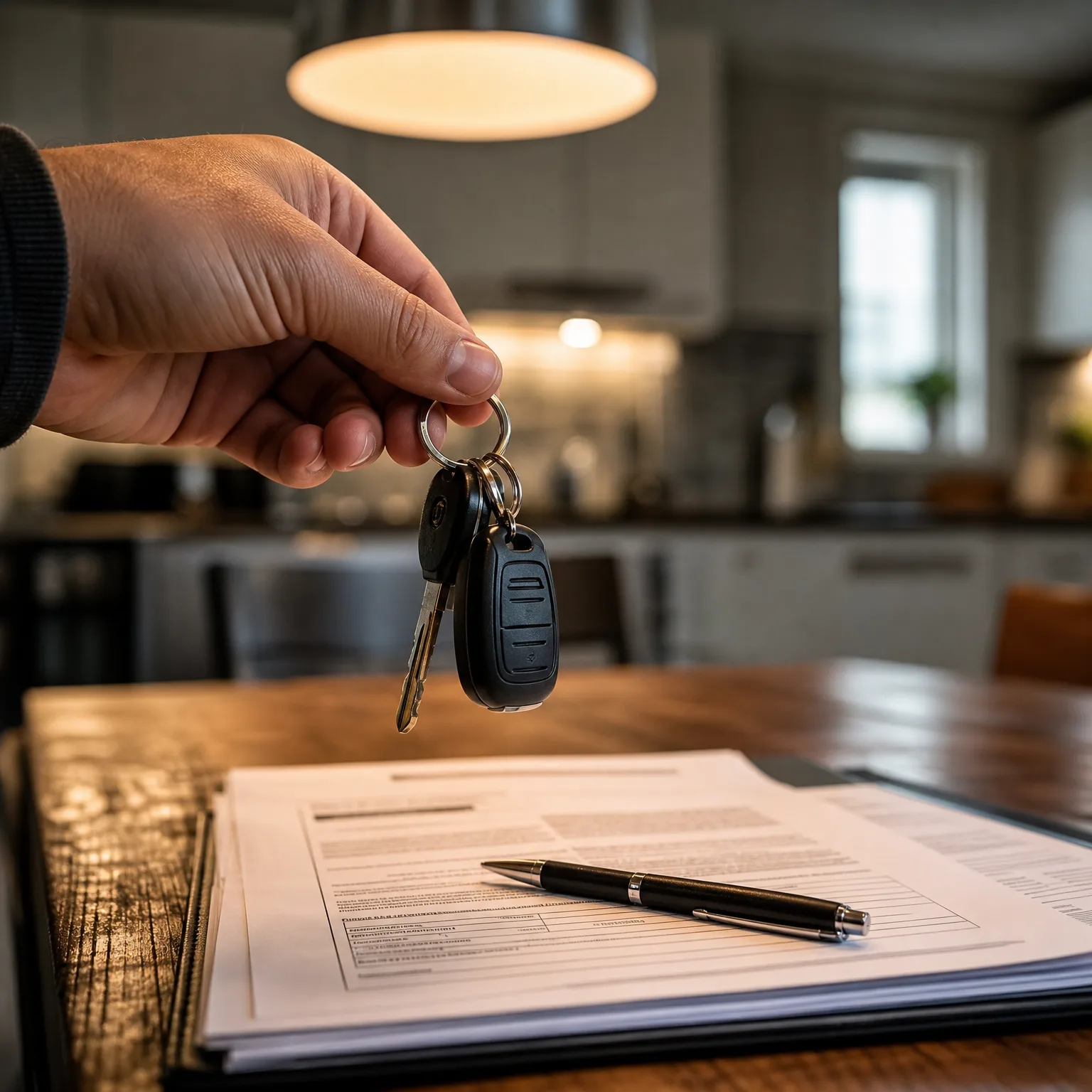
Non-owner SR-22 provides liability coverage when you drive someone else's vehicle with permission. Minnesota requires $30,000 per person and $60,000 per accident for bodily injury, plus $10,000 for property damage. Your non-owner policy meets these minimums and includes the mandated $40,000 PIP (no-fault) coverage.
It does not cover any vehicle you own. If you're gifted a car mid-filing, if you purchase a vehicle, or if you're added as a titled co-owner on a family member's registration, your non-owner policy becomes invalid for that vehicle. You must convert to a standard owner SR-22 policy or stack coverage—otherwise, the DVS will flag a lapse when the new registration appears in their system without corresponding insurance.
Non-owner SR-22 also does not cover comprehensive or collision damage to the borrowed vehicle. The vehicle owner's policy is primary. Your non-owner liability policy responds only if you cause injury or property damage to a third party while driving the borrowed car.

Premium Range for Non-Owner SR-22 in Minnesota
Non-owner SR-22 premiums in Minnesota typically range from $40 to $85 per month, depending on the violation that triggered the suspension, your age, county, and carrier. That's 30-60% lower than owner SR-22 premiums, which start around $140/month and can exceed $300/month for high-risk drivers with multiple DWI offenses.
The SR-22 filing fee itself is separate—carriers charge $15 to $50 to file the form with DVS. This is a one-time fee per filing period, not an annual charge. If your carrier cancels your policy for non-payment during the filing period, they file an SR-26 notice of cancellation with the DVS, and you'll pay the filing fee again when you secure a replacement policy.
DWI reinstatement cases face higher premiums than uninsured-driving or points-accumulation cases. First-offense DWI drivers typically pay $50-$75/month for non-owner SR-22. Second or third offenses push premiums toward $80-$110/month. Estimates based on available industry data; individual rates vary by driving history, coverage selections, and location.
Which Carriers Write Non-Owner SR-22 in Minnesota
Geico, Progressive, The General, Dairyland, Bristol West, and National General all write non-owner SR-22 policies in Minnesota. Geico and Progressive operate online quote platforms and can issue same-day coverage. The General and Dairyland specialize in high-risk drivers and offer non-owner SR-22 specifically for suspended-license cases, including DWI filers.
Bristol West requires broker contact but writes aggressively in non-owner SR-22 markets where other carriers decline coverage. National General operates through independent agents and writes both non-owner SR-22 and standard owner SR-22, making them a conversion option if you acquire a vehicle mid-filing.
State Farm writes SR-22 in Minnesota but typically restricts non-owner policies to drivers who already have a relationship with the company or who can demonstrate very limited driving exposure. USAA writes non-owner policies for eligible members but does not file SR-22 forms in Minnesota—USAA members needing SR-22 must place coverage elsewhere.
Carriers process SR-22 filing with the DVS within 24-48 hours of policy issuance. You receive a copy of the filed SR-22 form, but the DVS updates your driver record electronically. The court petition review process begins once DVS reflects active SR-22 status on your license record.

Cover Your Filing Before You Own a Car Again
Get My Non-Owner SR-22 Quote
How Minnesota's Limited License Court Petition Process Works
You petition the district court in the county where you reside. The court—not the DVS—decides whether to grant a Limited License. Minn. Stat. § 171.30 governs eligibility, but the judge has full discretion. Outcomes vary significantly by county and judge.
You must submit: petition to the court, proof of employment or medical necessity or school enrollment, proof of SR-22 insurance (if required for your suspension type), statement of hardship, and any supporting documentation the court requests. For DWI-related suspensions, additional DWI program documentation is required—typically proof of enrollment in or completion of chemical dependency treatment as mandated by Minn. Stat. § 169A.70.
For first-offense DWI cases, a mandatory 15-day hard suspension must pass before you may file the petition. Longer mandatory periods apply to repeat offenders. Missing that window disqualifies your petition. If granted, the court order specifies permitted driving purposes (employment, medical treatment, school, chemical dependency treatment, or court-ordered programs), permitted routes, and permitted hours. Violations of those terms trigger automatic revocation without warning.
Ignition interlock installation is required before the court will grant a Limited License in most DWI cases. The court order will specify whether IID is mandatory. If so, you must install the device, receive documentation from the IID vendor, and submit that proof with your petition. Non-owner SR-22 does not exempt you from the IID requirement—you'll need to install the device in any vehicle you plan to drive under the Limited License.
What Happens If You Acquire a Vehicle During the Filing Period
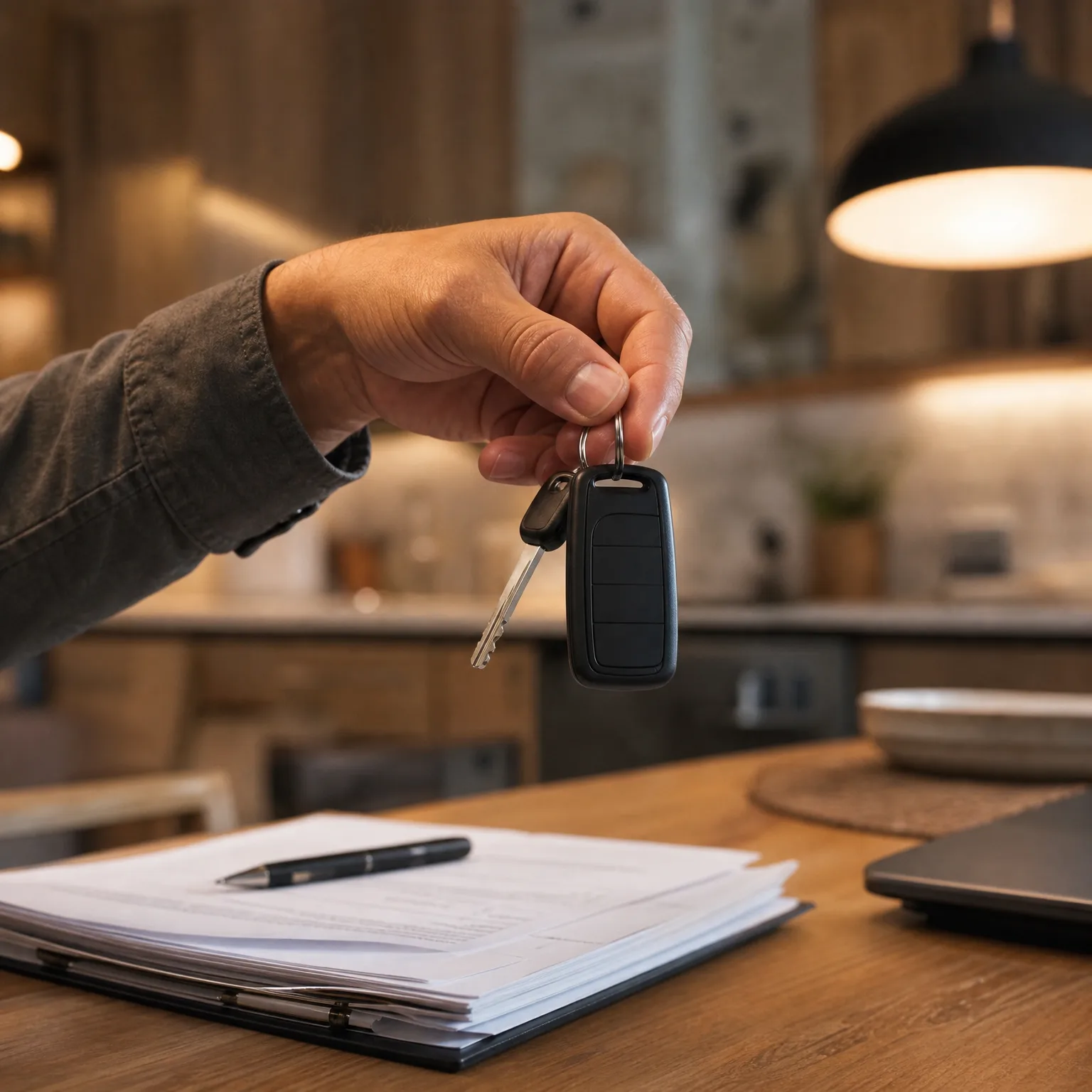
If you purchase, inherit, or are titled on a vehicle while carrying non-owner SR-22, your non-owner policy becomes invalid for that vehicle the moment the title is processed. Minnesota's electronic insurance verification system flags the mismatch—your new registration shows up without corresponding vehicle-specific insurance.
You have two options: convert your non-owner SR-22 to a standard owner SR-22 policy with the same carrier, or purchase a separate owner policy and stack it with your existing non-owner coverage. Conversion is cleaner. The carrier refiles Form SR-22 with the updated vehicle information, and your filing period continues uninterrupted.
If you let the gap persist, the DVS receives an SR-26 cancellation notice when your non-owner carrier discovers the title change. That triggers a filing lapse. Your Limited License is revoked immediately, and you restart the entire court petition process. Reinstatement after a lapse requires proof of continuous coverage going forward—most judges deny second petitions when the lapse was caused by failure to update coverage after acquiring a vehicle.
Filing Duration and Total Cost Over the SR-22 Period
Minnesota SR-22 filing typically lasts three years for DWI-related suspensions, measured from the conviction date or the date the court grants your Limited License, depending on the specific order. Uninsured-driving and points-accumulation suspensions may carry shorter filing periods—one to two years is common.
At $50-$75/month for 36 months, total non-owner SR-22 premium cost over a three-year DWI filing period is approximately $1,800 to $2,700. Add the one-time $15-$50 SR-22 filing fee and the $680 DWI reinstatement fee (for first offense; $910 for second, $1,230 for third) to calculate your total out-of-pocket cost before full license privileges are restored.
If you convert to owner SR-22 mid-filing after acquiring a vehicle, expect premiums to jump to $140-$300/month for the remainder of the filing period. The three-year clock does not reset when you convert—the filing end date is fixed by your original court order or DVS administrative action.
Frequently Asked Questions
Can I get non-owner SR-22 in Minnesota if I've never owned a car?
Yes. Non-owner SR-22 is designed for drivers who do not own a vehicle but need to satisfy Minnesota's SR-22 filing requirement for license reinstatement. The policy provides liability coverage when you drive someone else's vehicle with permission, and the carrier files Form SR-22 with DVS on your behalf. You do not need prior vehicle ownership or a previous insurance history to qualify.
Does non-owner SR-22 satisfy Minnesota's no-fault insurance requirement?
Yes. Non-owner SR-22 policies in Minnesota include the mandated $40,000 Personal Injury Protection (PIP) coverage required under the state's no-fault law. The policy meets both the liability minimums and the PIP requirement, so DVS recognizes it as compliant coverage for Limited License petitions and reinstatement.
What happens if my non-owner SR-22 carrier cancels my policy for non-payment?
The carrier files Form SR-26 with Minnesota DVS, notifying the state that your SR-22 coverage has lapsed. DVS revokes your Limited License immediately, and you lose driving privileges until you secure a replacement non-owner SR-22 policy and the new carrier files a fresh SR-22 form. You'll also pay the SR-22 filing fee again—typically $15 to $50—when the new carrier submits the form.
Can I drive a family member's car under my non-owner SR-22 policy?
Yes, as long as you have permission and you are not listed as an owner or co-owner on the vehicle's title. Non-owner SR-22 provides liability coverage when you drive someone else's vehicle. If you are added to the title or listed as a registered owner, the non-owner policy becomes invalid for that vehicle, and you must convert to a standard owner SR-22 policy.
How long does it take for carriers to file SR-22 with Minnesota DVS?
Most carriers process and file SR-22 electronically with DVS within 24 to 48 hours of policy issuance. DVS updates your driver record within one to two business days after receiving the filing. You can verify active SR-22 status on your license record by contacting DVS or checking your online driver record portal before submitting your Limited License petition to the court.
Do I need ignition interlock if I only have non-owner SR-22?
If your suspension is DWI-related and the court requires ignition interlock as a condition of your Limited License, you must install the device in any vehicle you plan to drive—even if you don't own it. Non-owner SR-22 does not exempt you from the IID requirement. You'll need written permission from the vehicle owner and documentation from the IID vendor showing the device is installed before the court will approve your petition.
What is the cheapest non-owner SR-22 carrier in Minnesota?
The General and Dairyland consistently quote the lowest non-owner SR-22 premiums for high-risk drivers in Minnesota, typically $40 to $65 per month for first-offense DWI cases. Geico and Progressive offer competitive rates for drivers with cleaner records or non-DWI suspensions, often $50 to $75 per month. Rates vary by county, age, and violation history—compare quotes from at least three carriers before binding coverage.
Related Articles

Non-Owner SR-22 Minnesota License Suspension Filing
5/19/2026

MN Non-Owner SR-22 vs Owner: When Non-Owner Saves
5/19/2026

Non-Owner SR-22 Premium Range in Minnesota
5/19/2026
MN Non-Owner SR-22: DWI, Uninsured, Points Triggers
5/19/2026
MN Non-Owner SR-22 Cost by Cause: DWI vs Lapse
5/19/2026

MN Non-Owner SR-22 to Owner: Vehicle Acquisition Rules
5/19/2026