
Michigan Non-Owner to Owner SR-22: What Happens When You Buy a Car
Get My Non-Owner SR-22 QuoteWhy Non-Owner SR-22 Stops Working the Day You Take Ownership
Non-owner SR-22 policies in Michigan provide liability coverage when you drive someone else's vehicle with permission. The moment you take legal ownership of a vehicle—title transfer recorded with Michigan Secretary of State—you're driving a vehicle you own, and the non-owner policy exclusion kicks in. The policy remains active, the SR-22 filing remains on file with SOS, but you have zero coverage when driving your own car.
Michigan requires all registered vehicles to carry no-fault insurance meeting minimum PIP requirements under MCL 500.3101. Operating an owned vehicle without required coverage is a misdemeanor under MCL 257.328, carrying fines up to $500 and potential imprisonment. More immediately relevant: if SOS receives notice that your SR-22 policy was cancelled or that you're operating an uninsured vehicle, your restricted license gets suspended and your 3-year SR-22 filing period resets from day one.
The coverage gap creates the compliance gap. Most drivers discover this when they're pulled over for an unrelated traffic stop, the officer runs their plate, and dispatch reports no active insurance on the vehicle. By that point, the suspension notice is already processing through SOS.

The Two-Policy Overlap Window: How to Convert Without a Lapse
Michigan SOS requires continuous SR-22 filing from the reinstatement date forward. A lapse of even one day restarts the 3-year clock. The non-owner-to-owner conversion must happen without any gap in SR-22 filing coverage—which means you need both policies active simultaneously for at least 24-48 hours.
Here's the mechanics: contact a carrier that writes owner SR-22 policies for drivers with your violation history before you complete the vehicle purchase. Provide the VIN, planned purchase date, and your current non-owner policy details. The carrier binds the owner policy effective the day you take title, files the owner SR-22 with SOS electronically (typically within 24 hours of binding), then you cancel the non-owner policy the day after the owner SR-22 filing confirms. Most carriers show SR-22 filing status in the policyholder portal; SOS confirmation typically takes 2-3 business days but the electronic filing timestamp is what matters for compliance.
Progressive, Geico, and Bristol West all write both non-owner and owner SR-22 in Michigan. If your current non-owner carrier writes owner policies, the conversion is administratively simpler—same carrier, same filing history, minimal underwriting delay. If you must switch carriers, the overlap window becomes critical. Never cancel the non-owner policy until you have written confirmation that the owner SR-22 filing has been transmitted to SOS.


Michigan No-Fault PIP Tier Selection During SR-22 Conversion
Michigan's 2020 no-fault reform introduced tiered PIP coverage options: unlimited medical, $500,000, $250,000, $50,000, or PIP opt-out if you qualify. The non-owner policy you've been carrying had no PIP component because there's no specific vehicle to insure. The moment you convert to an owner policy, you must select a PIP tier—and that selection determines your premium.
Unlimited PIP on an owner SR-22 policy for a driver with OWI history in Southeast Michigan can run $350-$500/month. The $50,000 PIP tier typically costs 40-60% less. PIP opt-out (available only if you have qualifying health insurance that covers auto injuries) is the lowest-cost option but requires submitting proof of health coverage to the carrier and maintaining that coverage for the life of the policy. If your qualifying health coverage lapses and you don't notify the carrier, you're technically uninsured under Michigan law—triggering the same suspension and SR-22 reset risk.
Most non-standard carriers writing SR-22 policies will not offer PIP opt-out to high-risk drivers. They require at least $50,000 PIP. Confirm PIP tier pricing before binding the owner policy; monthly premium increases of $150-$250 compared to non-owner SR-22 are typical, and the sticker shock causes some drivers to delay the conversion—leaving them driving the newly purchased vehicle uninsured.
BAIID and Restricted License Conditions Don't Change with Policy Type
If your Michigan restricted license requires a BAIID (Breath Alcohol Ignition Interlock Device) for OWI-related suspension, that requirement follows you regardless of whether you're driving under a non-owner or owner SR-22 policy. The BAIID must be installed in any vehicle you operate as the primary driver. When you purchase a vehicle, you must have the BAIID installed in that vehicle before driving it—period.
The restricted license conditions issued by SOS or the court (driving to/from work, medical treatment, court-ordered programs, specific approved routes) remain in effect. The SR-22 policy type has no impact on those restrictions. Violating restricted license conditions—driving outside approved times, driving for unapproved purposes, or operating a vehicle without a required BAIID—results in immediate license revocation and forfeiture of any progress toward the 3-year SR-22 filing requirement.
Sobriety Court participants with restricted licenses have additional supervision requirements. The vehicle purchase and policy conversion should be disclosed to the Sobriety Court case manager; some courts require advance approval before registering a vehicle in your name during the program. Failure to disclose can be treated as a program violation even if the insurance and BAIID compliance are perfect.

Cover Your Filing Before You Own a Car Again
Get My Non-Owner SR-22 Quote
What Happens If You Register the Vehicle Before Getting Owner SR-22
Michigan's electronic insurance verification system connects carrier filings directly to SOS registration records. When you register a vehicle in your name, SOS expects to receive an insurance filing for that vehicle within 30 days. If no filing appears, or if the only active SR-22 on file is a non-owner policy (which does not cover owned vehicles), SOS issues a suspension notice for both your driver's license and the vehicle registration under MCL 257.328.
The suspension notice goes to the address on file with SOS. If you've moved and didn't update your address, you won't receive the notice—but the suspension takes effect anyway. Most drivers discover the suspension when they're stopped for a minor traffic violation and the officer informs them their license status shows suspended. At that point, you're facing a new DWLS (Driving While License Suspended) charge, and the original 3-year SR-22 filing clock resets.
Do not register the vehicle until the owner SR-22 policy is bound and filed. If you've already registered the vehicle and don't yet have owner SR-22 coverage, do not drive it. Park it, arrange towing to your residence if needed, and immediately contact a carrier to bind owner SR-22 coverage. The faster the owner SR-22 filing reaches SOS, the less likely you are to face a registration suspension.
Cost Comparison: Non-Owner SR-22 vs Owner SR-22 in Michigan
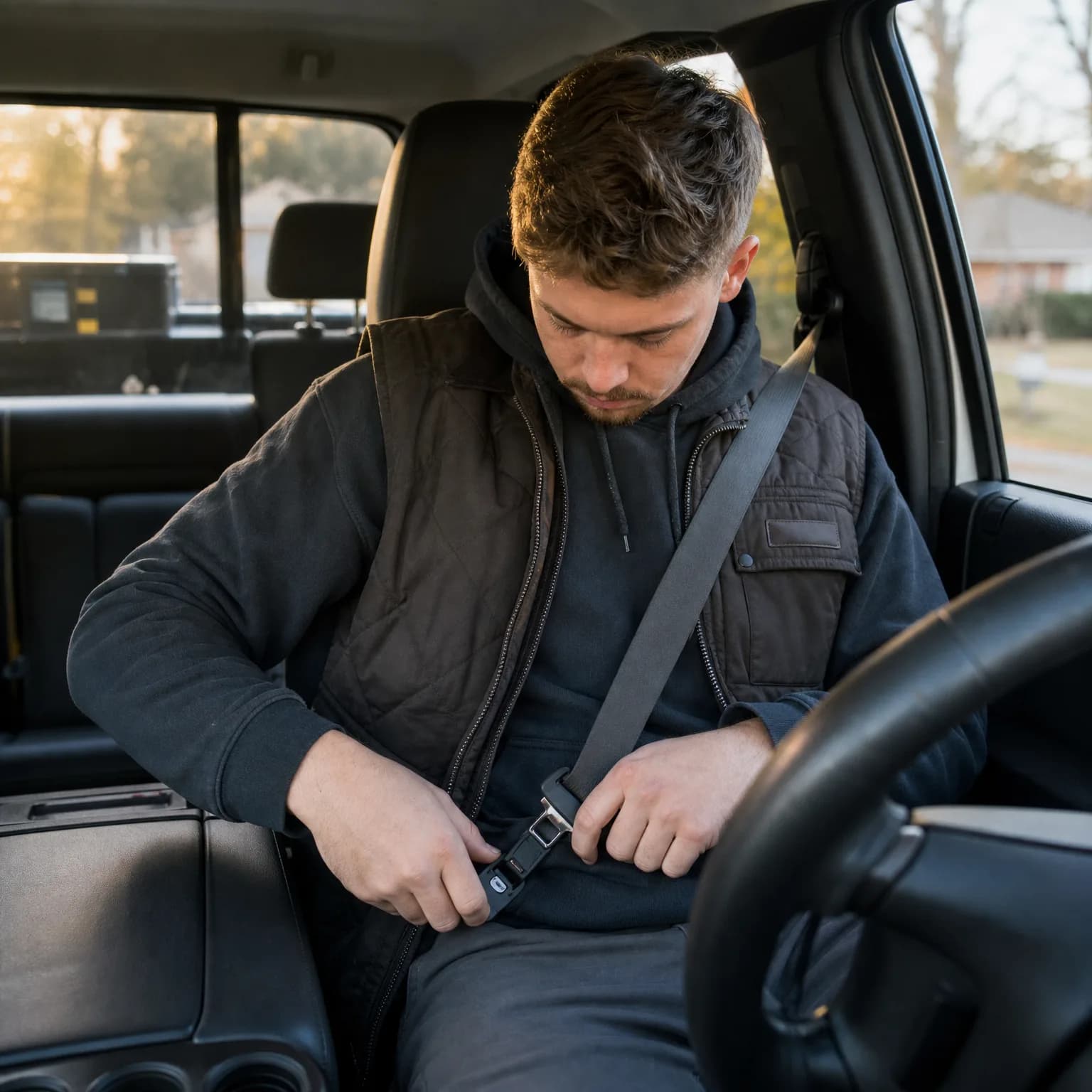
Non-owner SR-22 in Michigan typically costs $50-$90/month for drivers with OWI history, reflecting state minimum liability only with no vehicle-specific risk. Owner SR-22 for the same driver profile on a 2015-2020 sedan with $50,000 PIP tier runs $180-$280/month. The premium increase reflects the addition of PIP coverage, the vehicle's theft/collision risk profile, and the underwriting of a specific VIN.
If you select higher PIP tiers, add comprehensive/collision coverage, or own a vehicle with higher theft rates (certain Dodge, Chrysler, and Jeep models in Detroit metro have elevated premiums), expect $300-$450/month. Over the remaining term of your 3-year SR-22 filing requirement, the cost difference between non-owner and owner SR-22 can reach $4,000-$8,000 depending on coverage selections.
Some drivers in Metro Detroit, Flint, or Grand Rapids who don't need daily vehicle access maintain the non-owner SR-22 and borrow vehicles when needed rather than purchasing and insuring their own. This is a legitimate strategy if your restricted license conditions allow non-work driving and you have reliable access to another person's insured vehicle. The non-owner policy provides liability coverage in that scenario, and the monthly savings are substantial.
Switching Carriers Mid-Filing: Do You Need SOS Notification?
If you switch from Carrier A non-owner SR-22 to Carrier B owner SR-22, both carriers file electronically with Michigan SOS. Carrier B transmits the new SR-22 filing when the policy binds. Carrier A transmits an SR-26 cancellation notice when you cancel the non-owner policy. SOS processes both filings and updates your record accordingly.
You do not need to file paperwork with SOS yourself. The carriers handle the filings under Michigan's electronic reporting system. However, the timing gap between Carrier B's SR-22 filing transmission and Carrier A's SR-26 cancellation transmission must not create a window where SOS shows zero active SR-22 coverage. This is why the 24-48 hour overlap is critical: Carrier B's filing must be received and processed by SOS before Carrier A's cancellation filing is transmitted.
SOS does not send you confirmation when a new SR-22 filing is received unless there's a problem. If you want proof of continuous coverage during the switch, request a driving record abstract from SOS 7-10 days after the conversion. The abstract will show the SR-22 filing history and whether any lapse was recorded. If a lapse appears, contact SOS Driver Programs immediately—errors do occur, and correcting them within 30 days is easier than appealing a suspension after the fact.
Frequently Asked Questions
Can I keep my non-owner SR-22 active and just add regular car insurance for the vehicle I buy?
No. Michigan SOS requires SR-22 filing on the policy covering the vehicle you own and operate. If you maintain a non-owner SR-22 but drive a vehicle titled in your name under a separate non-SR-22 policy, SOS will treat the vehicle as uninsured for SR-22 purposes and suspend your restricted license. The SR-22 filing must attach to the owner policy covering your vehicle.
How long does it take for Michigan SOS to process a new SR-22 filing after I switch carriers?
Electronic SR-22 filings typically appear in SOS records within 24-48 hours of carrier transmission. However, SOS does not send confirmation to the policyholder unless there's a problem. You can request a driving record abstract 5-7 business days after the policy binds to verify the new SR-22 filing was received and no lapse was recorded.
If I buy a car but don't drive it right away, do I need to switch to owner SR-22 immediately?
If the vehicle is titled in your name and registered with Michigan SOS, you must have owner SR-22 coverage on it immediately—even if it's parked. SOS electronic insurance verification system flags registered vehicles without corresponding insurance filings within 30 days. Driving the vehicle is not the trigger; legal ownership and registration are.
Does switching from non-owner to owner SR-22 reset my 3-year filing period in Michigan?
Switching policy types does not reset the filing period as long as there is no lapse in SR-22 coverage. The 3-year clock is measured from your reinstatement date and continues as long as continuous SR-22 filing is maintained. A lapse of even one day resets the clock to day one.
Can I get owner SR-22 with the same carrier that issued my non-owner SR-22?
Most carriers writing non-owner SR-22 in Michigan (Progressive, Geico, Bristol West) also write owner SR-22 policies. Staying with the same carrier simplifies the conversion administratively and reduces the risk of filing gaps. Contact your current carrier first before shopping elsewhere.
What happens if I register the vehicle in someone else's name to avoid higher insurance costs?
If you're the primary driver of a vehicle titled in another person's name, Michigan law requires you to be listed on that vehicle's insurance policy. If you're not listed and the titled owner's policy doesn't cover you, you're operating an uninsured vehicle—violating your restricted license conditions and triggering license suspension. Additionally, if SOS determines the titling arrangement was structured to evade SR-22 requirements, they can revoke your restricted license.
Related Articles
Michigan Non-Owner SR-22 for Uninsured Suspension
5/19/2026

Michigan Non-Owner SR-22 After License Suspension
5/19/2026

Michigan Non-Owner vs Owner SR-22: Cost Differences
5/19/2026

Non-Owner to Owner SR-22 Conversion After Buying a Car
5/19/2026

Non-Owner SR-22 Michigan After At-Fault Accident
5/19/2026

Michigan Non-Owner SR-22: Carriers Filing Without Vehicle
5/19/2026