
Maine Non-Owner SR-22 to Owner Conversion When You Get a Car
Get My Non-Owner SR-22 QuoteWhy Non-Owner SR-22 Cancels When You Acquire a Vehicle in Maine
Non-owner SR-22 policies in Maine are underwritten on the explicit assumption you do not own, lease, or have regular access to a specific vehicle. The moment you acquire a car—through purchase, gift, or title transfer—you have materially misrepresented your risk profile to the carrier. Most Maine carriers writing non-owner policies include automatic cancellation clauses for vehicle acquisition, typically with 10–30 days' notice.
The carrier is not required to convert your policy. They cancel for cause. Maine law permits cancellation for material change in risk, and vehicle acquisition is textbook material change. Your SR-22 filing remains active only as long as the underlying policy remains active. When the policy cancels, the carrier notifies the Maine Bureau of Motor Vehicles electronically within 24–48 hours.
The BMV treats SR-22 lapse as immediate non-compliance. If you were reinstated from suspension conditioned on continuous SR-22 filing, the lapse triggers administrative re-suspension—often before you receive the carrier's cancellation notice in the mail. You are driving legally one day and suspended again the next, with no grace period.

The 10-Day Conversion Window Most Drivers Miss
Maine carriers writing non-owner SR-22—Geico, Progressive, Dairyland, Bristol West, The General—require notification of vehicle acquisition within 10 calendar days of the acquisition date for the policy to remain in force during conversion. This is not the date you start driving the vehicle. This is the date your name appears on the title or lease agreement.
If you notify the carrier within the 10-day window, they can convert your non-owner policy to an owner policy with the same SR-22 filing attached. The SR-22 remains continuous—no lapse, no new BMV notification, no re-suspension risk. The carrier adds the vehicle, recalculates your premium to include comprehensive and collision if you elect it, and continues the filing without interruption.
If you miss the 10-day window, most carriers cancel the policy outright rather than converting it. You must apply for a new owner SR-22 policy as a separate transaction. The gap between cancellation of the old policy and effective date of the new policy creates an SR-22 lapse on the BMV's system, even if the gap is only 48 hours. That lapse can trigger re-suspension and require a new reinstatement application with the $50 base reinstatement fee.

How to Convert Non-Owner SR-22 to Owner SR-22 in Maine Without Filing Gaps
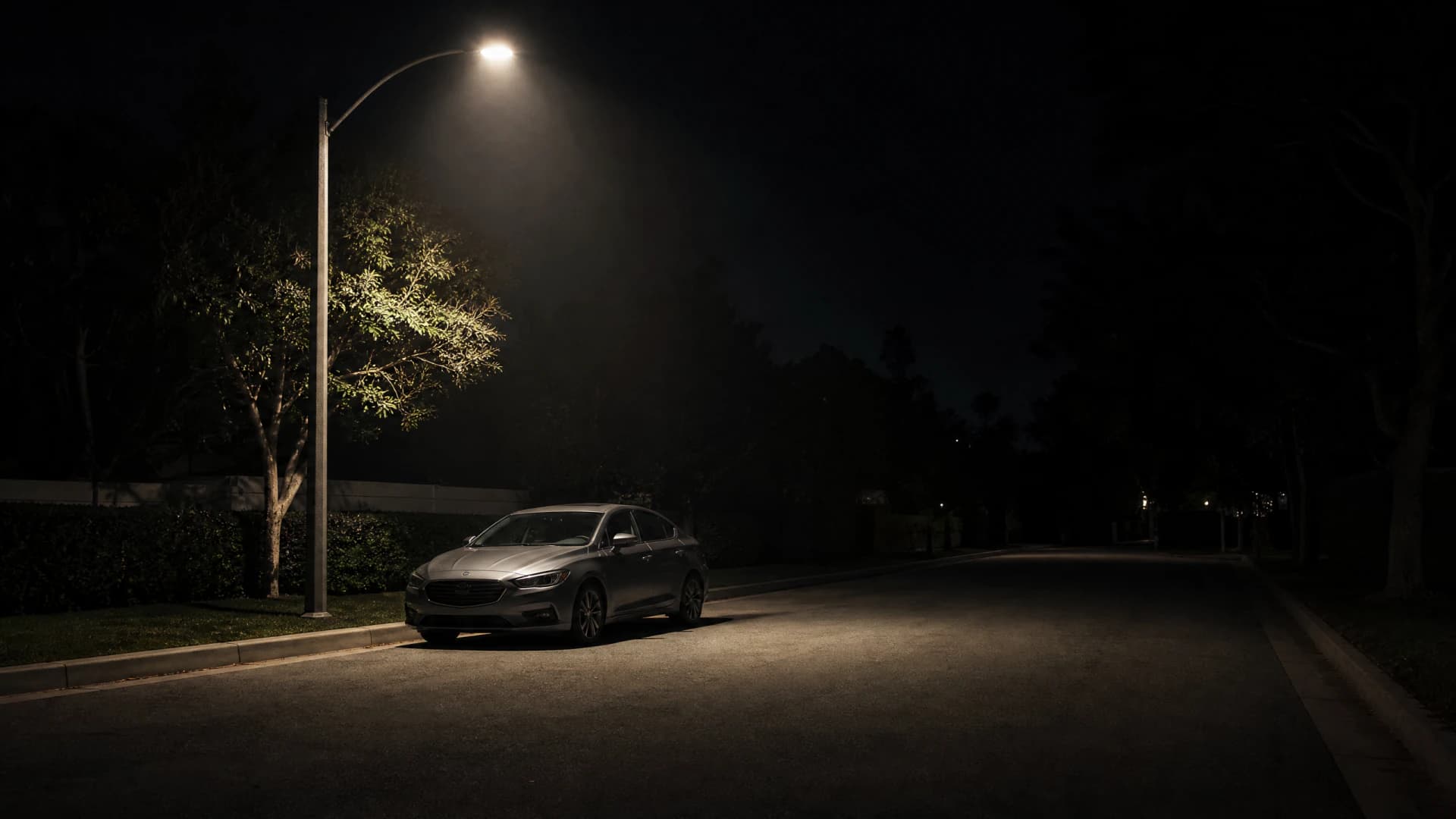
Call your carrier immediately when you know you will acquire a vehicle—before the title transfers. Ask whether your carrier writes owner SR-22 policies in Maine and whether they will convert your existing non-owner policy. Geico, Progressive, and Dairyland typically convert in-house. Bristol West and The General may require a new application with underwriting review.
Provide the vehicle identification number, make, model, year, and title date. The carrier will quote the new premium. Owner SR-22 premiums in Maine typically range $140–$220/month depending on the vehicle, your violation history, and whether you elect comprehensive and collision coverage. Non-owner SR-22 premiums in Maine run $60–$100/month, so expect the premium to roughly double.
Bind the owner policy with an effective date matching the vehicle acquisition date or the date you take possession, whichever is earlier. Pay the new premium in full or set up installment payments before the non-owner policy cancels. The carrier will cancel the non-owner policy and issue the owner policy on the same day, maintaining continuous SR-22 filing with the BMV. Verify the carrier has filed the updated SR-22 electronically within 48 hours by calling the Maine BMV at (207) 624-9000.

Cover Your Filing Before You Own a Car Again
Get My Non-Owner SR-22 QuoteWhat Happens If You Drive the Acquired Vehicle on Non-Owner SR-22 Coverage
Non-owner SR-22 policies in Maine provide liability coverage only when you drive a vehicle you do not own with the owner's permission. The moment you acquire title to a vehicle, you are no longer driving a non-owned vehicle. You are driving an owned vehicle. The policy excludes owned vehicles explicitly in the coverage terms.
If you are involved in an accident while driving your newly acquired vehicle on a non-owner policy, the carrier will deny the claim. You are personally liable for all bodily injury and property damage up to the full judgment amount. Maine requires $50,000 per person, $100,000 per accident bodily injury liability, and $25,000 property damage as state minimums, but actual damages in multi-vehicle accidents routinely exceed $100,000.
You are also driving uninsured under Maine law. Operating an uninsured vehicle in Maine after reinstatement from SR-22-required suspension exposes you to immediate re-suspension, vehicle registration suspension, and potential criminal charges for operating after suspension if stopped. The court-imposed restricted license condition requiring SR-22 filing—if you were granted one during your original suspension—terminates the moment your filing lapses, revoking your driving privileges without additional hearing.

Owner SR-22 Premium Differences After Conversion in Maine
Owner SR-22 premiums in Maine reflect comprehensive and collision exposure in addition to liability. Non-owner policies carry liability-only coverage because there is no specific vehicle to insure for physical damage. Owner policies add the vehicle's value, age, and theft risk into the underwriting equation.
A 2015 sedan with 80,000 miles in Portland will cost approximately $140–$180/month for liability-only owner SR-22. The same vehicle with $500-deductible comprehensive and collision will cost $190–$240/month. Older vehicles with low book value often cost less to insure liability-only, since comprehensive and collision premiums exceed the vehicle's replacement value after a total loss.
Maine does not require comprehensive or collision coverage by law. Lenders require it if you finance the vehicle. If you own the car outright and can afford to replace it out-of-pocket after an accident, you can elect liability-only owner SR-22 and keep the premium closer to non-owner levels. Verify the carrier allows liability-only owner policies in Maine—some non-standard carriers require full coverage for SR-22 filers under age 25 or with DUI violations.
If You Acquire a Vehicle Mid-Filing and Cannot Afford Owner SR-22 Premiums
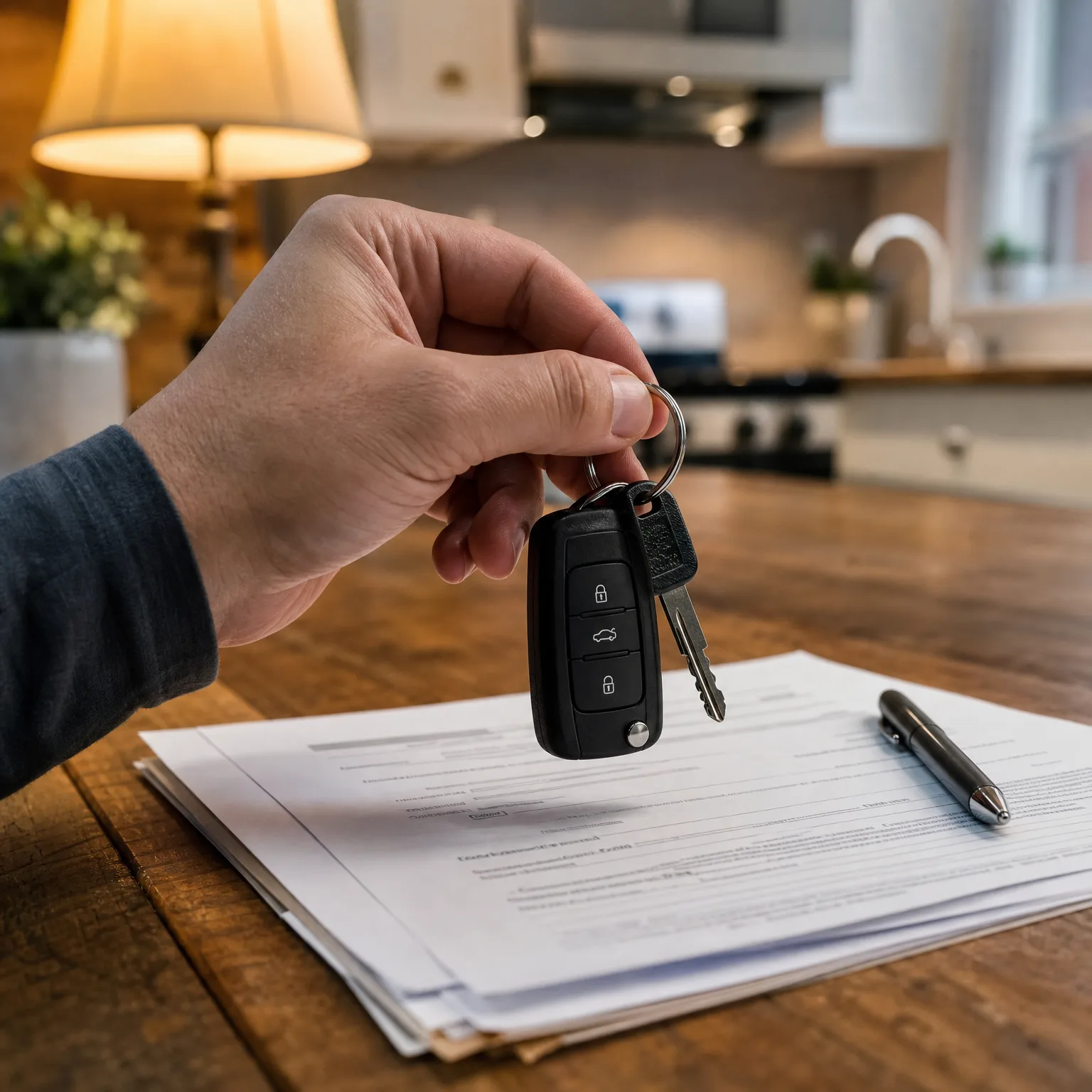
You have three options if the owner SR-22 premium exceeds your budget. First, decline the vehicle acquisition. If the car is a gift from family or a low-cost private sale, explain the SR-22 filing complication and delay acquisition until your filing period ends. Maine SR-22 filing periods for DUI convictions run 3 years from the conviction date. For insurance lapse suspensions, filing periods typically run 1 year.
Second, acquire the vehicle and title it in someone else's name—a spouse, parent, or household member with a clean driving record. You can be listed as a named driver on their owner policy without triggering SR-22 cancellation on your non-owner policy, as long as you do not hold title. Verify the carrier allows this arrangement before proceeding. Some carriers treat regular access to a household vehicle as equivalent to ownership and will cancel the non-owner policy anyway.
Third, acquire the vehicle, let the non-owner SR-22 cancel, and go without a vehicle again. This only works if you can store or sell the vehicle immediately and continue using non-owner SR-22 for the remainder of your filing period. It does not work if you need the vehicle for work, school, or court-ordered restricted driving purposes under your Maine restricted license. The restricted license court order specifies the routes and times you are permitted to drive—operating outside those terms violates the restriction and can result in criminal charges.
Frequently Asked Questions
Can I keep my non-owner SR-22 policy active after I buy a car in Maine?
No. Maine carriers cancel non-owner SR-22 policies automatically when you acquire a vehicle because you no longer meet the underwriting requirement of not owning a car. You must convert to an owner SR-22 policy within 10 days of acquisition to avoid SR-22 filing lapse and re-suspension by the Maine BMV.
How long does it take to convert non-owner SR-22 to owner SR-22 in Maine?
Conversion takes 24–48 hours if you notify the carrier within 10 days of vehicle acquisition. The carrier binds the new owner policy, cancels the non-owner policy, and files the updated SR-22 electronically with the Maine BMV on the same day. You should verify the filing with the BMV within 48 hours to confirm no gap occurred.
What happens if I drive my new car before converting my non-owner SR-22 policy?
Your non-owner SR-22 policy excludes coverage for vehicles you own. If you are in an accident, the carrier denies the claim and you are personally liable for all damages. You are also driving uninsured under Maine law, which can trigger immediate re-suspension and criminal charges for operating after suspension.
Will my SR-22 premium go up when I convert from non-owner to owner in Maine?
Yes. Owner SR-22 premiums in Maine typically run $140–$220/month depending on the vehicle and coverage selections, compared to $60–$100/month for non-owner SR-22. The increase reflects comprehensive and collision exposure for the specific vehicle, not just liability coverage for borrowed vehicles.
Can I title a car in someone else's name to avoid canceling my non-owner SR-22 in Maine?
Yes, but verify the arrangement with your carrier first. If you title the vehicle in a spouse's or parent's name and are listed as a named driver on their policy, some carriers allow your non-owner SR-22 to remain active. Other carriers treat regular access to a household vehicle as equivalent to ownership and will cancel the policy.
Does Maine BMV notify me before re-suspending my license for SR-22 lapse after vehicle acquisition?
No. Maine BMV re-suspends administratively within 24–48 hours of receiving the SR-22 lapse notification from your carrier. You typically do not receive advance notice—you discover the suspension when you call the BMV or are stopped by law enforcement. Continuous SR-22 filing is a condition of your reinstatement, and lapse terminates that condition immediately.
Related Articles

MA Non-Owner SR-22 to Owner Conversion Steps
5/19/2026

Non-Owner SR-22 Carriers Maine: Who Files & Who Won't
5/19/2026

Maine Non-Owner SR-22 vs Owner: Cost Comparison
5/19/2026

Maine Non-Owner SR-22 Filing Speed | How Fast BMV Gets It
5/19/2026
Maine Non-Owner SR-22: Filing Path & Premium Range
5/19/2026

Bought a Car with Non-Owner SR-22? Convert Now
5/19/2026