
Maine Non-Owner SR-22: Filing Path, Premium Range, and Carriers
Get My Non-Owner SR-22 QuoteWhat Non-Owner SR-22 Coverage Does in Maine
Non-owner SR-22 provides liability coverage when you drive someone else's vehicle with permission and files Form SR-22 with the Maine Bureau of Motor Vehicles to prove continuous insurance. The policy does not cover any vehicle you own or register — it exists solely to satisfy Maine's financial responsibility requirement after a suspension triggering event like OUI, refusal to submit to chemical testing, or uninsured operation.
Maine requires SR-22 filing for a minimum of 3 years following OUI conviction under 29-A M.R.S. § 2412-A, measured from the conviction date, not the filing date. The filing period applies even if you complete a court-ordered restricted license program early. If the SR-22 lapses or cancels for any reason during the required period, the Maine BMV will suspend your license again and restart the filing clock.
Non-owner SR-22 satisfies the same state filing requirement as owner SR-22. The Maine BMV receives electronic notification when your carrier issues the policy and again if the policy cancels. The distinction matters only in what the policy covers while active — non-owner policies provide liability protection when you borrow a car, rent occasionally, or use a car-sharing service, but they do not extend coverage to vehicles you later purchase or are gifted during the filing period.

Monthly Premium Range for Non-Owner SR-22 in Maine
Non-owner SR-22 premiums in Maine typically range from $45 to $85 per month for drivers with a single OUI conviction and no additional major violations in the past three years. Drivers with multiple OUI convictions, refusal charges, or stacked suspensions pay $90 to $140 per month. Estimates are based on available industry data; individual rates vary by age, filing period length, ZIP code, and carrier underwriting rules.
The premium reflects liability-only coverage at Maine's minimum limits — $50,000 bodily injury per person, $100,000 bodily injury per accident, and $25,000 property damage — plus the administrative cost of filing and maintaining Form SR-22 with the Maine BMV. You will also pay a one-time SR-22 filing fee of $15 to $35 depending on carrier, assessed when the policy is issued and again if you switch carriers during the filing period.
Non-owner SR-22 costs 40 to 60% less than owner SR-22 because there is no vehicle to insure for collision or comprehensive damage and no specific VIN tied to the policy. If you acquire a vehicle during the filing period — through purchase, gift, or lease — you must immediately convert to an owner policy or the non-owner policy will not cover that vehicle and the Maine BMV will treat the gap as a lapse.


Carriers Writing Non-Owner SR-22 in Maine
Non-owner SR-22 policies are available in Maine from Dairyland, Geico, Progressive, The General, and USAA (military-affiliated only). Bristol West writes non-standard SR-22 coverage in Maine but does not consistently offer non-owner policies; contact them directly to confirm availability for your situation. National General writes SR-22 in Maine but non-owner availability varies by underwriting tier.
Dairyland and The General specialize in high-risk non-owner SR-22 and will write policies for drivers with multiple OUI convictions, refusal charges, or habitual offender status. Geico and Progressive offer non-owner SR-22 but may decline applications if you have more than two major violations in the past five years or an active ignition interlock requirement. USAA writes non-owner SR-22 for eligible members with clean records outside the filing trigger.
All carriers listed file SR-22 electronically with the Maine BMV within 24 to 48 hours of policy issuance. The BMV will not process reinstatement or restricted license applications until the SR-22 filing appears in their system. If you apply for a court-ordered restricted license under 29-A M.R.S. § 2412-A, you must provide proof of SR-22 filing as part of your petition documentation.
How Non-Owner SR-22 Interacts with Maine Restricted Licenses
Maine restricted licenses are granted by the court, not the Bureau of Motor Vehicles, following a petition that demonstrates hardship and proof of SR-22 insurance. The restricted license allows driving for court-approved essential purposes — typically work, school, medical appointments, and other travel the court defines as necessary — during hours and on routes the court specifies in the order.
If you hold a restricted license, your non-owner SR-22 policy must remain active and in good standing for the entire restricted driving period and for the full filing period after full reinstatement. A single missed premium payment that results in policy cancellation will trigger automatic suspension of your restricted license, and Maine law imposes a mandatory hard suspension restart for violations of restricted license terms. You will not receive a second restricted license opportunity without filing a new petition and waiting through any additional mandatory suspension period.
Maine requires ignition interlock devices (IID) for all OUI-related restricted licenses under 29-A M.R.S. § 2412-A. Non-owner SR-22 policies do not include IID installation or monitoring — you must arrange IID separately through a Maine BMV-approved vendor and maintain proof of compliance throughout the restricted license period. If you drive a borrowed vehicle under a restricted license, that vehicle must have an IID installed or you are in violation of your restricted license terms.

Cover Your Filing Before You Own a Car Again
Get My Non-Owner SR-22 Quote
What Happens If You Buy a Car During the Filing Period
Non-owner SR-22 does not cover any vehicle you own, register, or have regular access to. If you purchase, lease, or are gifted a vehicle while your non-owner SR-22 is active, you must immediately contact your carrier and convert to an owner policy. The conversion triggers a new SR-22 filing with the Maine BMV showing the VIN of the newly acquired vehicle.
Failure to convert results in a coverage gap. If you drive the newly acquired vehicle under a non-owner policy, the liability coverage does not apply and you are operating uninsured. If you cause an accident, your non-owner carrier will deny the claim and the Maine BMV will suspend your license for uninsured operation — a separate suspension with its own reinstatement requirements stacked on top of your existing filing period.
Owner SR-22 premiums are higher than non-owner premiums because the policy now includes comprehensive and collision coverage options and ties to a specific vehicle. Expect your monthly premium to increase by 60 to 120% depending on the vehicle's age, value, and your selected coverage limits. The SR-22 filing period does not restart when you convert from non-owner to owner coverage as long as there is no lapse in continuous coverage between the two policies.

Reinstatement Process After SR-22 Filing Period Ends
Maine requires a $50 base reinstatement fee to restore full driving privileges after your SR-22 filing period expires, payable to the Bureau of Motor Vehicles. OUI-related reinstatements carry additional fees above the base amount and require completion of the Driver Education and Evaluation Program (DEEP), a state-mandated alcohol and drug evaluation and education program distinct from standard defensive driving courses.
The reinstatement fee is separate from the cost of maintaining SR-22 coverage over the filing period. You must continue paying your non-owner SR-22 premium every month for the full 3-year filing period even after you complete a restricted license program or satisfy court-ordered conditions early. The SR-22 filing period is statutory — it does not end until the full term runs from your conviction date.
Once the filing period ends, your carrier will notify the Maine BMV that the SR-22 requirement has been satisfied. You may then drop the non-owner policy or convert to standard liability coverage without SR-22 filing. If you drop coverage before the filing period expires, the Maine BMV will suspend your license again and restart the entire filing period from the date of the new suspension.
Non-Owner SR-22 vs. Standard Owner SR-22 in Maine
The only structural difference between non-owner SR-22 and owner SR-22 in Maine is vehicle attachment. Both satisfy the Maine BMV's SR-22 filing requirement. Both provide liability coverage at the same minimum limits. Both file Form SR-22 electronically and report lapses or cancellations immediately.
Owner SR-22 costs more because the policy includes comprehensive and collision coverage options tied to a specific VIN, and underwriters price the policy based on the vehicle's theft rate, repair cost, and total loss risk. Non-owner SR-22 eliminates those risk factors — there is no vehicle to damage or steal — so the premium reflects only liability risk and the administrative cost of SR-22 filing.
For drivers who do not own a vehicle and do not plan to acquire one during the filing period, non-owner SR-22 is the most cost-effective path to reinstatement. Over a 3-year filing period, non-owner SR-22 saves approximately $1,800 to $3,600 compared to owner SR-22, assuming monthly premiums of $45–$85 for non-owner versus $120–$190 for owner coverage.
Frequently Asked Questions
Does non-owner SR-22 count toward Maine's 3-year OUI filing requirement?
Yes. Non-owner SR-22 satisfies the same filing requirement as owner SR-22. The Maine BMV receives electronic notification when your carrier issues the policy and tracks continuous coverage for the full 3-year period required under 29-A M.R.S. § 2412-A.
Can I get a Maine restricted license with non-owner SR-22?
Yes, if you petition the court and demonstrate hardship. Maine restricted licenses require proof of SR-22 insurance as part of the petition documentation. Non-owner SR-22 satisfies this requirement as long as you do not own or have regular access to a vehicle.
What happens if I miss a premium payment on my non-owner SR-22 in Maine?
Your carrier will cancel the policy and file an SR-26 notification with the Maine BMV. The BMV will suspend your license immediately and restart the 3-year filing period from the date of the new suspension. If you hold a restricted license, the court will revoke it and you will face a mandatory hard suspension before you can petition again.
Does non-owner SR-22 cover rental cars in Maine?
Yes. Non-owner SR-22 provides liability coverage when you drive any vehicle you do not own, including rental cars, with the owner's permission. The policy does not cover physical damage to the rental vehicle — rental agencies offer separate collision damage waiver coverage for that.
Do I need to convert to owner SR-22 if I lease a car during my filing period?
Yes. A leased vehicle is treated as an owned vehicle for SR-22 purposes because you have regular access and the vehicle is registered in your name. You must immediately convert to owner SR-22 and provide the VIN to your carrier so they can file an updated SR-22 with the Maine BMV.
Can I cancel my non-owner SR-22 after completing my restricted license program?
No. The SR-22 filing period is statutory and runs for 3 years from your conviction date, not from the date your restricted license is granted or the date you complete the restricted program. If you cancel before the filing period expires, the Maine BMV will suspend your license and restart the filing clock.
Which carriers in Maine write non-owner SR-22 for multiple OUI convictions?
Dairyland and The General specialize in high-risk non-owner SR-22 and will write policies for drivers with multiple OUI convictions, refusal charges, or habitual offender status. Geico and Progressive may decline applications if you have more than two major violations in the past five years.
Related Articles

Non-Owner SR-22 Maine: Who Qualifies and How to File
5/19/2026

Maine Non-Owner SR-22 Cost by Cause | OUI, Lapse, DWLS
5/19/2026
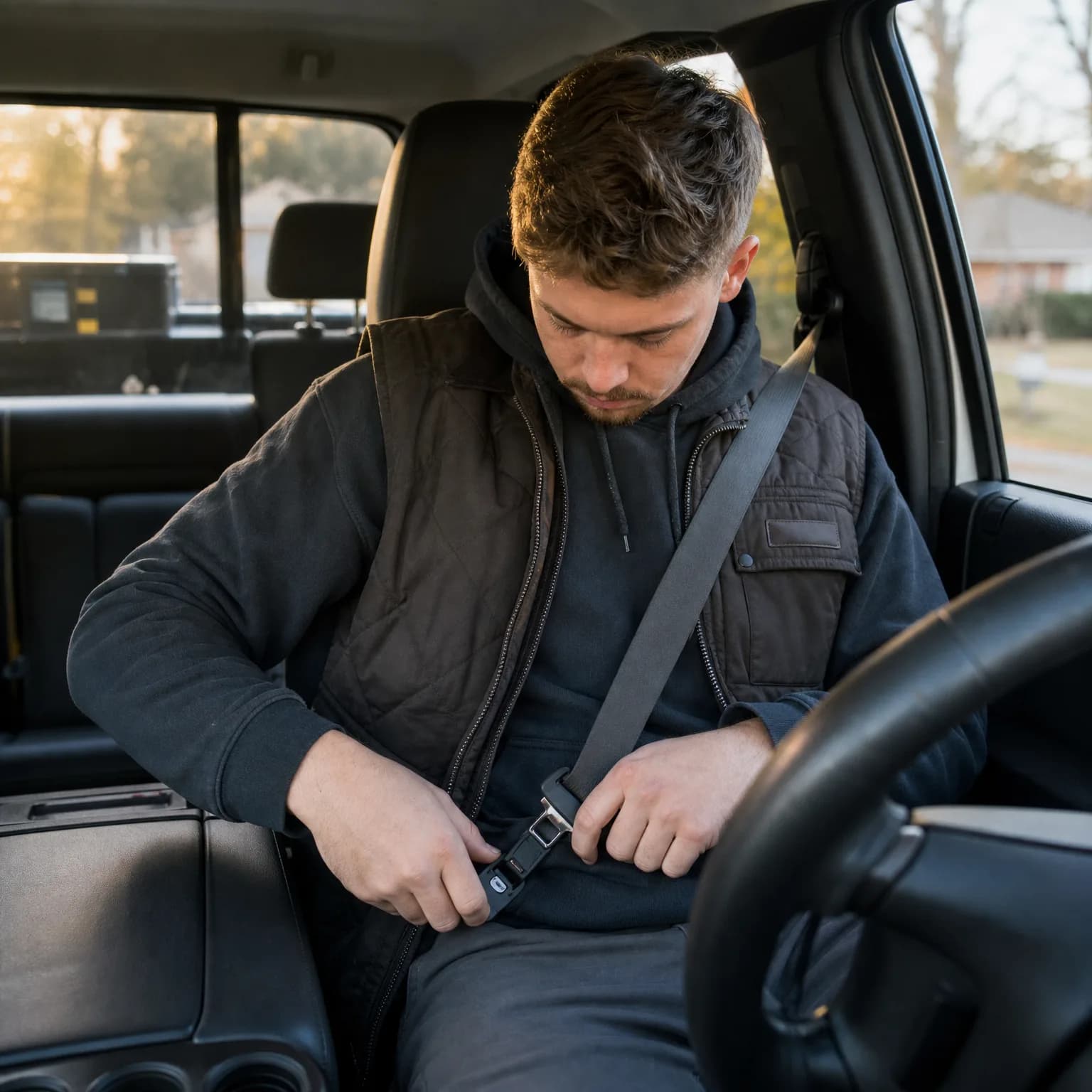
Maine Non-Owner SR-22 vs Owner: Cost Comparison
5/19/2026

Non-Owner SR-22 Maine Multiple-Violation Suspension
5/19/2026
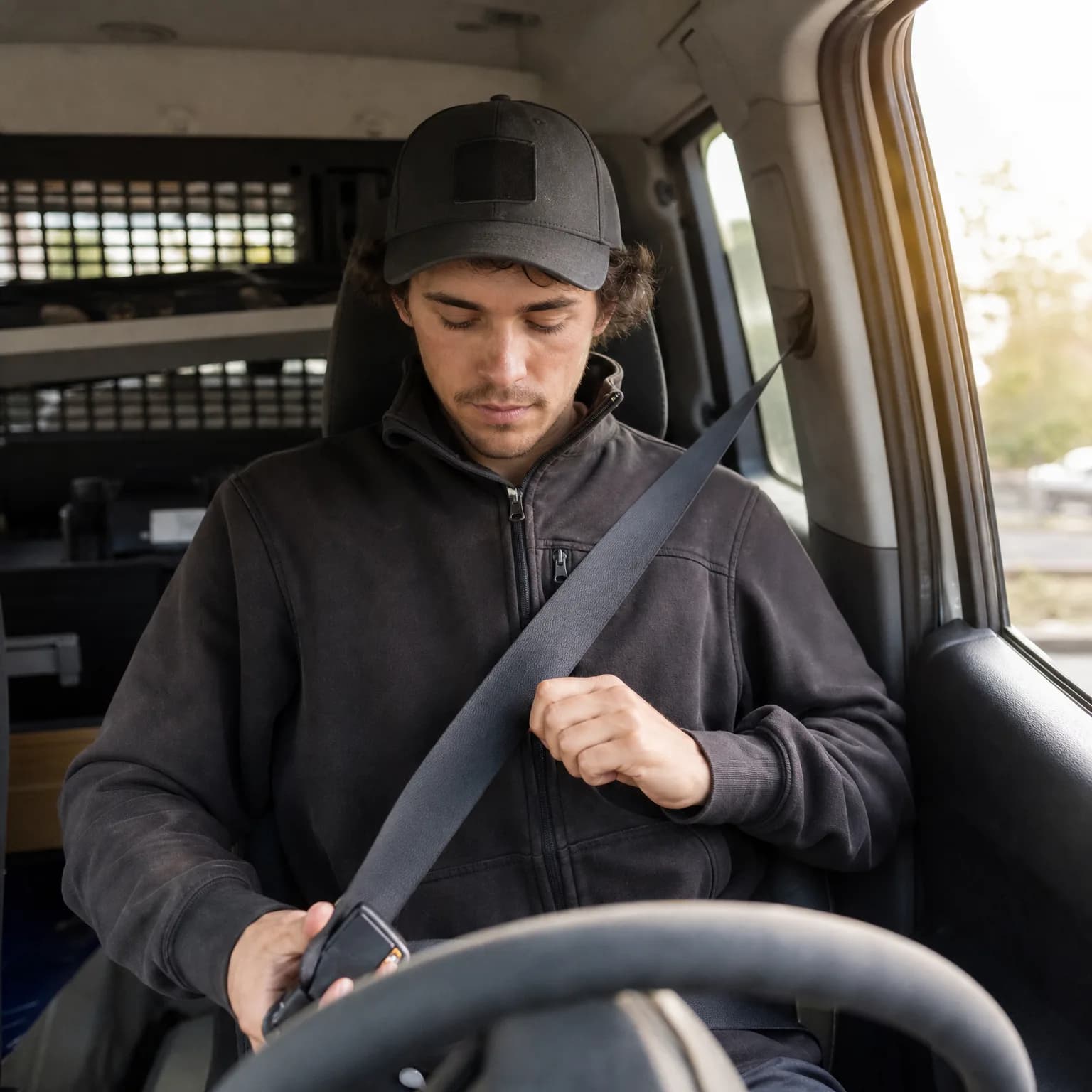
Maine Non-Owner SR-22 by Cause: OUI, Uninsured, Points
5/19/2026

MA Non-Owner SR-22 After OUI: When It Works
5/19/2026