
Kansas Non-Owner SR-22 vs Owner SR-22: When the Non-Owner Variant Saves Money
Get My Non-Owner SR-22 QuoteWhat Non-Owner SR-22 Actually Covers in Kansas
A non-owner SR-22 policy provides liability coverage when you drive someone else's vehicle with permission. The Kansas Division of Vehicles accepts this as proof of financial responsibility for suspended license reinstatement. Your carrier files the SR-22 certificate electronically with KDOR, satisfying the same mandate that owner SR-22 does.
The coverage itself is bodily injury and property damage liability only. Kansas requires $25,000 per person, $50,000 per accident for bodily injury, and $25,000 for property damage. Most carriers writing non-owner SR-22 will quote at state minimums or slightly above. Personal injury protection (PIP) and uninsured motorist coverage are also required by Kansas statute, and carriers add them automatically.
Non-owner SR-22 does not cover any vehicle you own, lease, or regularly use. It covers borrowed or rented vehicles only. If your employer assigns you a company vehicle, that vehicle is not covered under your non-owner policy. If you buy a car mid-filing, you must convert to owner SR-22 immediately or stack a separate owner policy alongside your non-owner SR-22. The filing requirement does not pause when you acquire a vehicle.
Premium Difference: Non-Owner SR-22 vs Owner SR-22 in Kansas
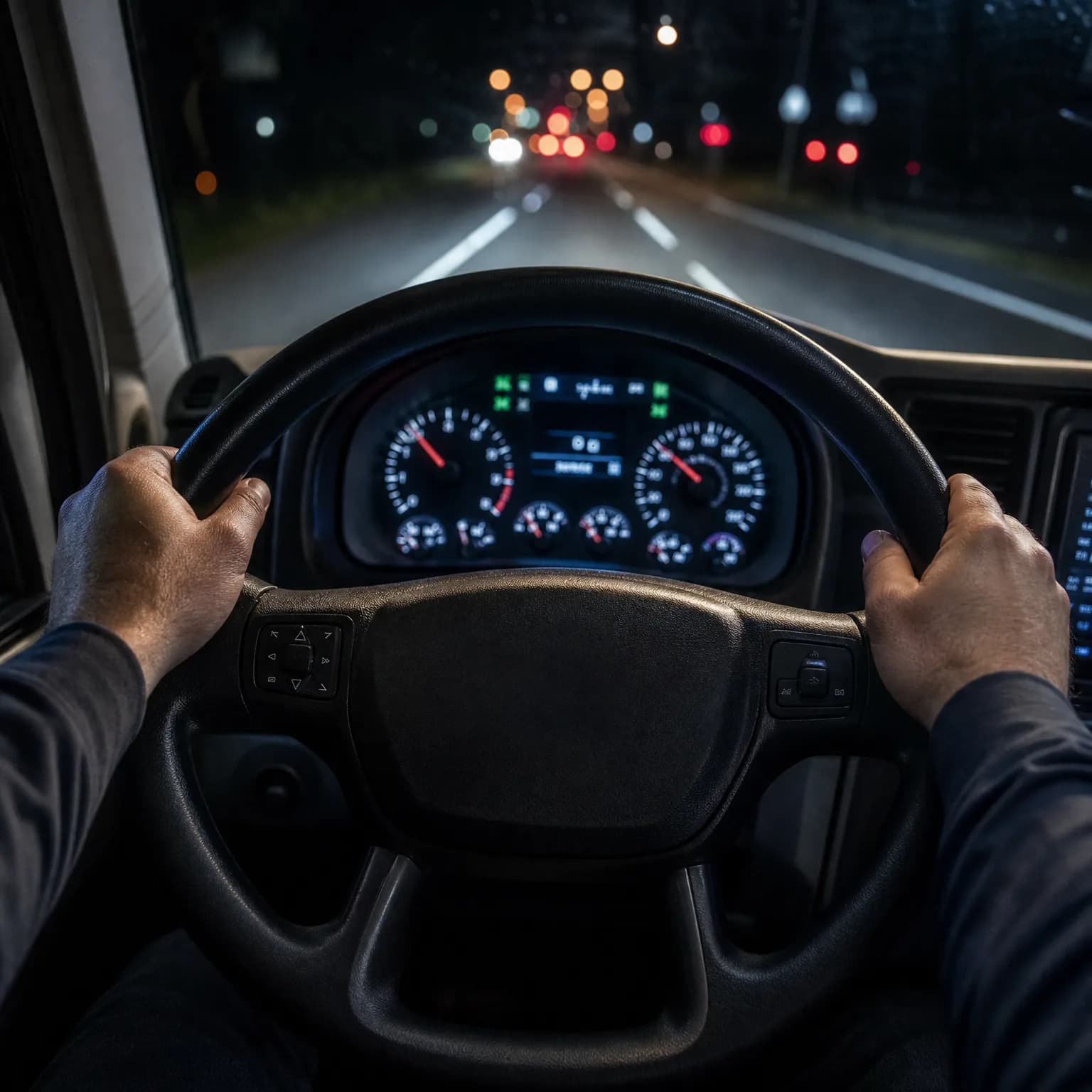
Non-owner SR-22 premiums in Kansas typically range from $40 to $90 per month, depending on the cause of suspension and your age. Owner SR-22 with a single vehicle averages $110 to $190 per month for the same liability-only coverage. The difference comes from eliminating comprehensive and collision risk. Without a specific vehicle on the policy, the carrier has no exposure to physical damage claims.
The Kansas filing fee is separate from the premium. Carriers charge $15 to $50 to file the SR-22 certificate with KDOR. This is a one-time fee per filing event. If your policy lapses and the carrier files an SR-26 cancellation notice, you pay the filing fee again when you reinstate. Kansas requires SR-22 for 3 years post-reinstatement for DUI suspensions and most insurance-related violations.
Over a 3-year filing period, non-owner SR-22 costs approximately $1,440 to $3,240 total. Owner SR-22 costs $3,960 to $6,840 for the same period. The savings exceed $2,500 if you remain vehicle-free. If you acquire a vehicle in year two, you lose the non-owner savings from that point forward.

When You Must Convert to Owner SR-22 Mid-Filing
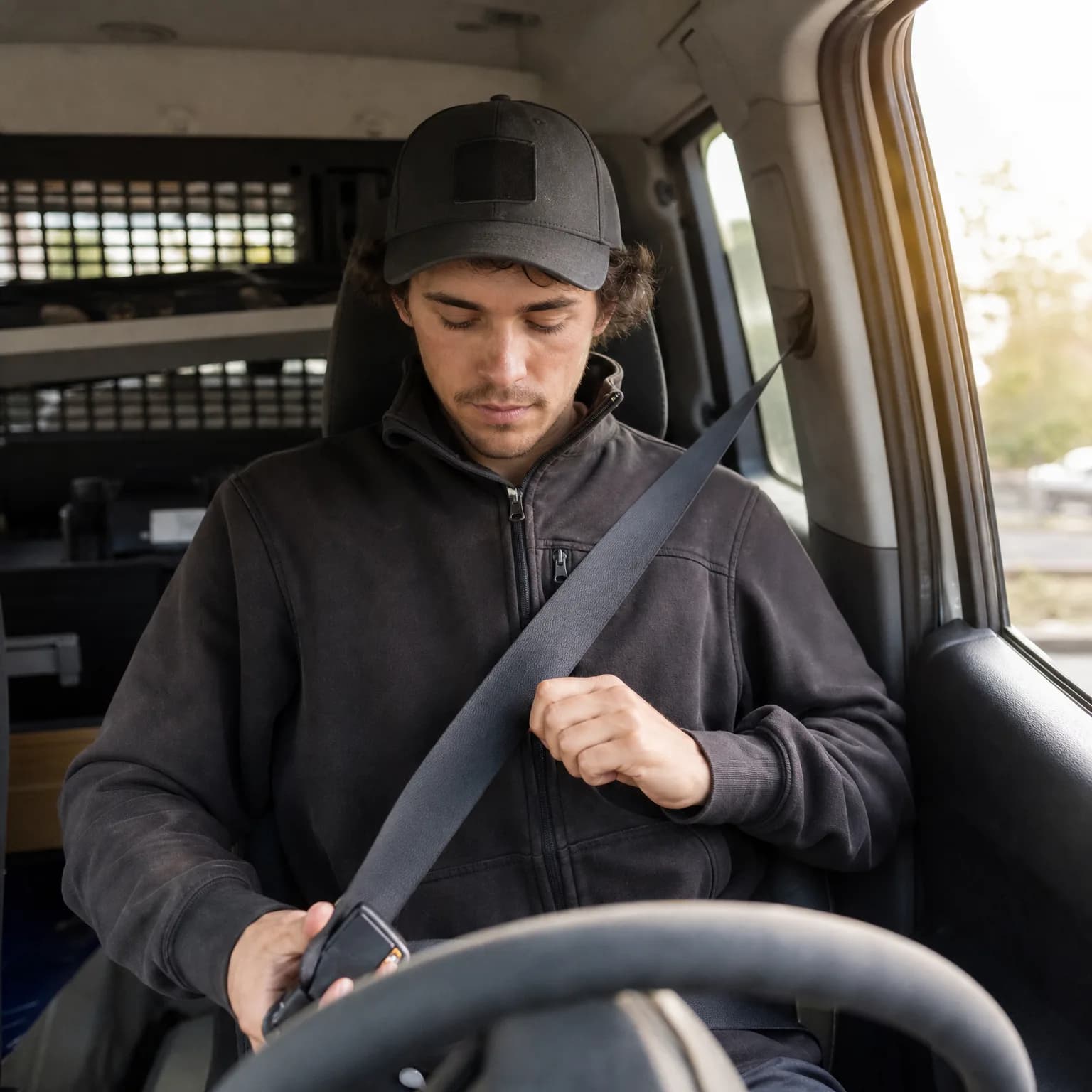
The moment you acquire a vehicle, your non-owner SR-22 becomes inadequate. Kansas statutes require continuous proof of financial responsibility for all vehicles you own or operate regularly. The non-owner policy covers borrowed vehicles, not owned ones. If you buy a car and continue driving on non-owner SR-22, you are uninsured for the owned vehicle and exposed to immediate re-suspension if KDOR discovers the ownership change.
Most Kansas drivers discover this at registration. When you title a vehicle in your name, the Kansas Division of Vehicles cross-checks your insurance status. If the SR-22 on file is non-owner and you now own a vehicle, the system flags you as uninsured. KDOR can suspend your registration and your license within 10 days of discovering the mismatch. The 3-year SR-22 clock does not reset, but the re-suspension adds new reinstatement fees and extends the total restricted period.
You have two paths forward if you acquire a vehicle mid-filing. First option: convert your non-owner SR-22 to an owner SR-22 with the same carrier, adding the vehicle to the policy and accepting the higher premium. Most carriers writing non-owner SR-22 also write owner SR-22 and can convert the policy within 24 hours. Second option: cancel the non-owner SR-22, buy a standard owner policy with SR-22 endorsement from a different carrier, and file the new certificate before the old one lapses. Kansas allows zero gap in SR-22 coverage. If your carrier files an SR-26 cancellation notice before the new SR-22 is on file, your license suspends automatically.

Cover Your Filing Before You Own a Car Again
Get My Non-Owner SR-22 QuoteWhich Kansas Carriers Write Non-Owner SR-22
Progressive, GEICO, The General, Dairyland, Bristol West, and National General all write non-owner SR-22 policies in Kansas. Progressive and GEICO offer online quoting for non-owner SR-22, but quotes are not instant — underwriters review your driving record and may take 24 to 48 hours to return a bindable quote. The General and Dairyland specialize in high-risk drivers and typically quote within the same business day.
Bristol West and National General require broker involvement for non-owner SR-22. Independent agents writing these carriers can bind coverage immediately if your record meets underwriting criteria. Agents also handle the SR-22 filing on your behalf and confirm the certificate reaches KDOR before your reinstatement date.
State Farm writes SR-22 in Kansas but does not actively market non-owner policies. Agents may decline to quote non-owner SR-22 if you have multiple DUIs or recent at-fault accidents. USAA writes non-owner SR-22 for military members and their families only. Farmers and Allstate write non-owner policies in Kansas but do not advertise SR-22 endorsement for non-owner coverage. If your current carrier cannot add SR-22 to a non-owner policy, switch carriers rather than accepting owner SR-22 for a vehicle you do not own.

Restricted License Interaction with Non-Owner SR-22
Kansas issues restricted driving privileges through the court for DUI suspensions and through KDOR for administrative suspensions. The restricted license requires SR-22 proof of insurance before the court or KDOR will approve the petition. Non-owner SR-22 satisfies this requirement. The court does not require you to own a vehicle to receive restricted privileges.
Restricted privileges in Kansas are typically limited to travel between home and work, school, medical appointments, or court-approved purposes. The court defines the specific hours and routes at the time of issuance. DUI-related restricted licenses require ignition interlock device (IID) installation under K.S.A. 8-1015. The IID requirement applies to any vehicle you drive, including borrowed vehicles.
If you hold non-owner SR-22 and restricted driving privileges, every vehicle you drive must have an IID installed or you violate the terms of the restricted license. This creates a practical obstacle: most vehicle owners will not install an IID on their vehicle for your temporary use. Kansas IID vendors charge $75 to $150 for installation and $75 to $125 per month for monitoring. The vehicle owner pays these costs unless you reimburse them. If you cannot secure a vehicle with IID installed, your restricted license has no practical utility even though the court approved it.

What Happens If Your Non-Owner SR-22 Lapses
Kansas carriers must notify KDOR electronically within 24 hours when an SR-22 policy cancels for non-payment or any other reason. KDOR receives the SR-26 cancellation notice and suspends your license automatically. No grace period exists. The suspension takes effect immediately, and you lose driving privileges until you file a new SR-22 and pay the $50 reinstatement fee.
The 3-year SR-22 filing period does not reset when you lapse and reinstate. Kansas measures the filing period from the original reinstatement date, not from each SR-22 filing event. If you lapse in year two, reinstate, and maintain coverage through the end of year three, you satisfy the requirement. If you lapse multiple times, each lapse triggers re-suspension and a new $50 fee, but the clock continues running.
Some drivers attempt to avoid the lapse by switching carriers mid-filing. This works only if the new carrier files the SR-22 before the old carrier files the SR-26. Coordinate timing carefully. Call the new carrier and confirm the SR-22 certificate number and filing date. Then cancel the old policy effective the same date or later. If the old carrier files the SR-26 before the new SR-22 reaches KDOR, your license suspends even though you bought continuous coverage.
Frequently Asked Questions
Can I get a Kansas restricted license with non-owner SR-22?
Yes. Kansas courts and KDOR accept non-owner SR-22 as proof of financial responsibility for restricted driving privileges. You do not need to own a vehicle to qualify for restricted privileges, but DUI-related restrictions require ignition interlock device installation on any vehicle you drive.
What happens if I buy a car while my non-owner SR-22 is active?
You must convert to owner SR-22 immediately. Non-owner SR-22 does not cover vehicles you own. If KDOR discovers you own a vehicle and hold only non-owner SR-22, they will suspend your license and registration for uninsured operation within 10 days.
How much does non-owner SR-22 cost in Kansas per month?
Non-owner SR-22 in Kansas typically costs $40 to $90 per month, depending on the cause of suspension and your age. Owner SR-22 averages $110 to $190 per month for the same liability coverage. The filing fee is $15 to $50 per filing event.
Which Kansas carriers write non-owner SR-22 policies?
Progressive, GEICO, The General, Dairyland, Bristol West, and National General all write non-owner SR-22 in Kansas. Progressive and GEICO offer online quoting. The General, Dairyland, Bristol West, and National General typically require broker involvement or phone quoting.
Does Kansas require SR-22 for the entire suspension period?
Kansas requires SR-22 for 3 years after reinstatement for DUI and most insurance-related suspensions. The filing period begins on the reinstatement date, not the suspension date. If your SR-22 lapses during the 3-year period, your license suspends immediately and you must refile.
Can I switch from non-owner SR-22 to owner SR-22 without losing coverage?
Yes, if you coordinate timing carefully. The new carrier must file the owner SR-22 certificate before the old carrier files the SR-26 cancellation notice. Call the new carrier and confirm the SR-22 filing date, then cancel the non-owner policy effective the same date or later to avoid a gap.
Related Articles
Kansas Non-Owner SR-22 Filing Without a Vehicle
5/19/2026
Non-Owner SR-22 Premium Range in Kansas | Carless Filer Cost Guide
5/19/2026

Kansas Non-Owner SR-22 Cost by Cause | $35–$75/Month
5/19/2026
Kansas Non-Owner to Owner SR-22 Conversion Guide
5/19/2026
Kansas Non-Owner SR-22: Cost, Carriers & Filing Path
5/19/2026
Non-Owner SR-22 Kansas At-Fault Accident Suspension
5/19/2026