
Kansas Non-Owner SR-22: Filing Without a Vehicle After Suspension
Get My Non-Owner SR-22 QuoteWhat Non-Owner SR-22 Actually Does in Kansas
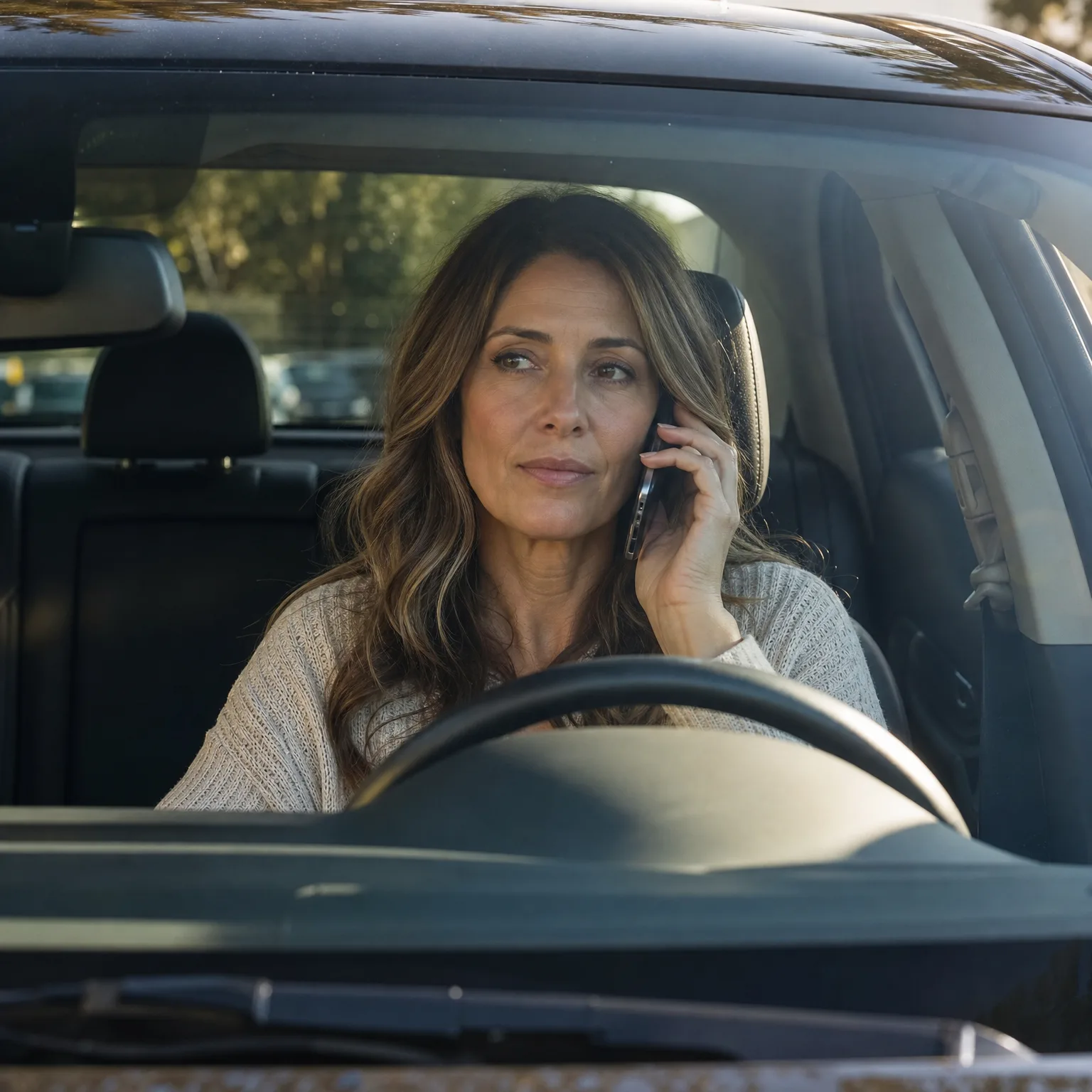
Non-owner SR-22 insurance is a liability policy that proves financial responsibility to the Kansas Division of Vehicles without requiring you to own or register a vehicle. The carrier files Form SR-22 electronically with KDOR when you purchase the policy, satisfying the state's proof-of-insurance mandate even though no specific vehicle is listed on the filing.
The policy covers you when you drive someone else's car with their permission. It provides the state-minimum $25,000 per person, $50,000 per accident bodily injury liability, and $25,000 property damage liability. It does not cover comprehensive or collision damage, and it does not cover any vehicle you own or regularly use. If you buy or receive a car during the filing period, you must convert to a standard owner policy or the SR-22 filing becomes invalid.
Typical non-owner SR-22 premiums in Kansas run $40 to $85 per month depending on the suspension cause and your ZIP code. That's roughly half what you would pay for an owner policy with SR-22 attached, because the carrier is only covering occasional borrowed-vehicle use rather than daily commuting in a specific car.
Kansas Restricted License Petition Requires SR-22 First
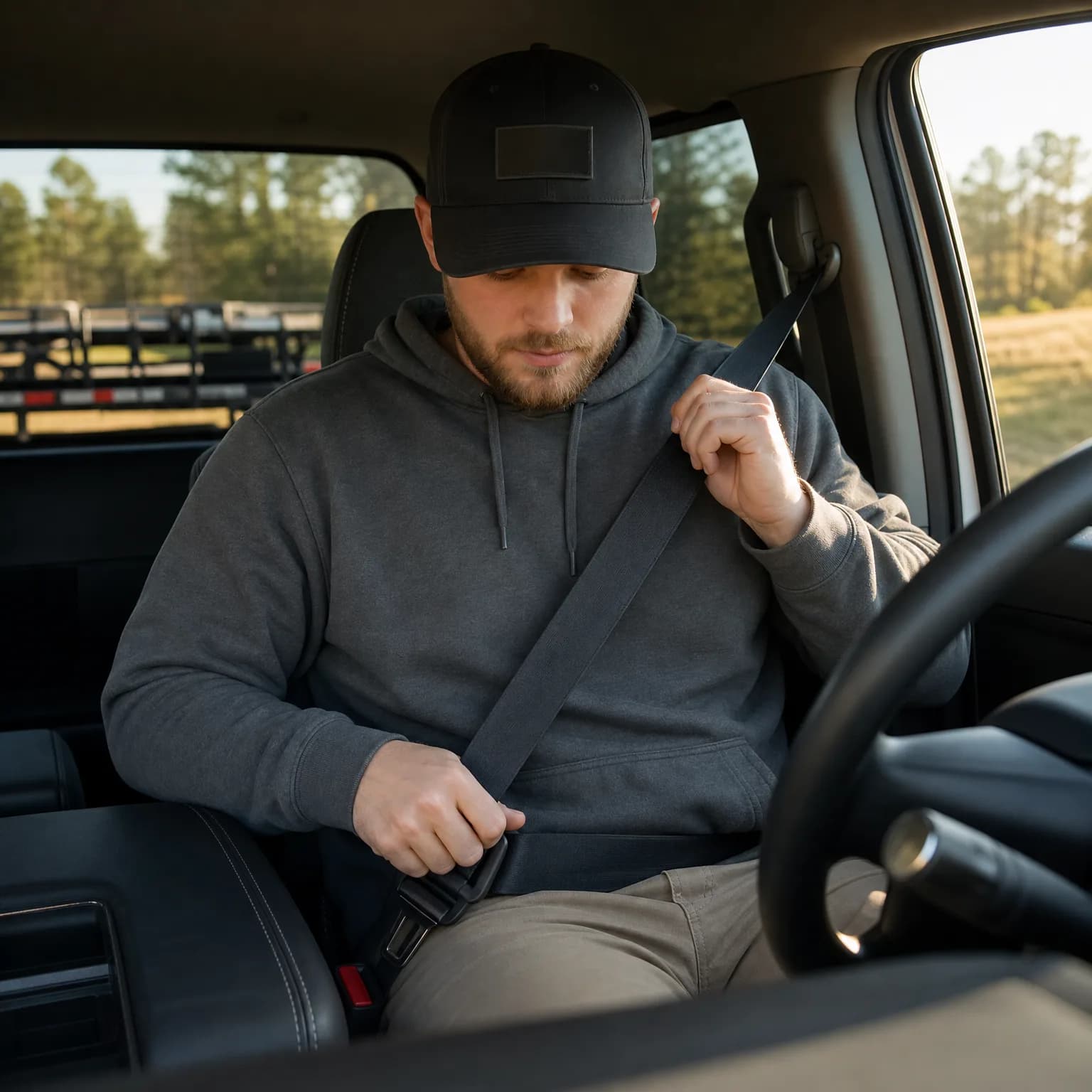
Kansas courts grant restricted driving privileges under K.S.A. 8-1015, but the petition process requires proof of SR-22 filing before the judge signs the order. This creates a procedural catch: you cannot drive legally until the court approves your restricted license, but the court will not approve your petition without SR-22 already on file with KDOR.
Non-owner SR-22 solves this timing problem. You purchase the policy, the carrier files Form SR-22 electronically with KDOR within 24 to 48 hours, and you submit proof of filing as part of your petition documentation. The court sees that you meet the financial responsibility requirement and can approve the restricted license.
For DUI-related suspensions, the restricted license also requires ignition interlock device installation under K.S.A. 8-1016. If you do not own a vehicle, the court typically orders IID installation on any vehicle you intend to drive during the restricted period. This means borrowing a car from a family member or employer who consents to IID installation, or arranging vehicle access through another party willing to allow the device. The non-owner SR-22 covers your liability when driving that IID-equipped borrowed vehicle.
How Filing Works With the Kansas Division of Vehicles
Kansas uses electronic SR-22 filing. When you purchase a non-owner SR-22 policy, the carrier transmits Form SR-22 to the Kansas Division of Vehicles Driver Control Bureau within one to two business days. KDOR processes the filing and updates your driver record to show active proof of insurance.
The filing remains active as long as the policy stays in force. If you cancel the policy or allow it to lapse, the carrier files Form SR-26 with KDOR notifying the state of cancellation. KDOR suspends your license again immediately, and you must purchase a new policy, refile SR-22, pay the $50 reinstatement fee a second time, and restart the three-year filing clock.
You do not need to notify KDOR separately when you purchase the policy. The carrier handles all filing communication directly with the state. Your only obligation is to maintain continuous coverage without lapse for the full three-year period KDOR requires after DUI or insurance-related suspensions.

Cover Your Filing Before You Own a Car Again
Get My Non-Owner SR-22 QuoteWhat Happens If You Get a Car During the Filing Period
Non-owner SR-22 becomes invalid the moment you purchase, lease, register, or take title to a vehicle. Kansas law requires proof of insurance on any vehicle you own, and non-owner policies explicitly exclude owned vehicles from coverage.
If you acquire a car mid-filing, contact your carrier immediately and convert to a standard owner SR-22 policy. The carrier will cancel the non-owner policy, file Form SR-26 for the old policy, issue the new owner policy, and file a new Form SR-22 listing your vehicle. KDOR sees continuous SR-22 coverage with no lapse as long as the conversion happens before the non-owner policy cancels.
Failing to convert triggers automatic suspension. KDOR receives the SR-26 cancellation notice, sees no replacement SR-22 on file, and suspends your license. You then face a second reinstatement cycle, additional fees, and possible extension of the three-year filing period. Non-owner SR-22 is the correct product only while you remain vehicle-free.
Cost Comparison: Non-Owner vs Owner SR-22 in Kansas
Non-owner SR-22 premiums in Kansas typically range from $40 to $85 per month, or $480 to $1,020 annually. Standard owner SR-22 policies for the same driver profile run $90 to $190 per month, or $1,080 to $2,280 annually. The savings come from eliminating comprehensive and collision coverage and removing vehicle-specific risk factors like year, make, model, and annual mileage.
The one-time SR-22 filing fee is typically $15 to $25 paid to the carrier at policy inception. KDOR does not charge a separate filing fee, but the $50 reinstatement fee applies when you satisfy all suspension requirements and request license restoration.
Over the three-year filing period Kansas requires after most DUI and insurance-related suspensions, total non-owner SR-22 cost runs approximately $1,500 to $3,100 including premiums and fees. Owner SR-22 for the same period costs $3,300 to $6,900. Drivers who genuinely do not need a vehicle save $1,800 to $3,800 by filing non-owner.
Which Carriers Write Non-Owner SR-22 in Kansas
Progressive, Geico, The General, Dairyland, and National General all write non-owner SR-22 policies in Kansas and file electronically with KDOR. State Farm writes SR-22 but does not offer non-owner products in all Kansas ZIP codes. USAA writes non-owner SR-22 but restricts eligibility to members and their families.
Bristol West specializes in high-risk non-owner SR-22 and accepts applicants with multiple DUI offenses, suspended license history, or stacked violations. Rates are higher than standard-tier carriers, but approval likelihood is significantly better for drivers with complicated records.
Most carriers quote non-owner SR-22 online, but some require a phone call to verify that you do not have regular access to a household vehicle. If you live with family members who own cars, the carrier may ask whether you are listed as a driver on their policies. Honest answers prevent coverage disputes later.
Frequently Asked Questions
Can I get non-owner SR-22 in Kansas if I live with someone who owns a car?
Yes, but the carrier will ask whether you are listed as a driver on the household vehicle's policy. If you are listed, the carrier may require you to purchase owner SR-22 instead. If you are explicitly excluded from the household policy, non-owner SR-22 is appropriate.
Does non-owner SR-22 cover me if I rent a car in Kansas?
Yes. Non-owner SR-22 provides liability coverage when you drive any vehicle you do not own, including rental cars. The rental company's collision damage waiver is separate and optional.
How long does it take for SR-22 to show up on my Kansas driving record?
Carriers file electronically with KDOR within 24 to 48 hours of policy purchase. KDOR processes the filing within one to three business days. You can verify filing status by calling the KDOR Driver Control Bureau at 785-296-3671.
What happens if I move out of Kansas during the SR-22 filing period?
You must notify your carrier of the address change immediately. Kansas SR-22 remains valid if you move to most other states, but the new state may require its own SR-22 filing or equivalent proof. Some states do not recognize out-of-state SR-22 and require you to refile locally.
Can I cancel non-owner SR-22 early if I decide not to drive?
Canceling before the three-year filing period ends triggers immediate license suspension in Kansas. KDOR extends the filing period from the date you refile. You cannot avoid the SR-22 requirement by abstaining from driving.
Does non-owner SR-22 satisfy Kansas restricted license requirements for work commuting?
Yes, as long as the vehicle you drive is borrowed with the owner's permission and equipped with an ignition interlock device if your restricted license requires IID. The court order specifies permitted routes and times.
Related Articles
Kansas Non-Owner SR-22 vs Owner SR-22 Cost Comparison
5/19/2026

Kansas Non-Owner SR-22: Cost, Carriers & Filing Path
5/19/2026

Non-Owner SR-22 Kansas At-Fault Accident Suspension
5/19/2026
Kansas Non-Owner SR-22 Cost by Cause | $35–$75/Month
5/19/2026
Kansas Non-Owner to Owner SR-22 Conversion Guide
5/19/2026
Non-Owner SR-22 Premium Range in Kansas | Carless Filer Cost Guide
5/19/2026