
Kansas Non-Owner SR-22 by Cause: DUI vs Uninsured-Driving Filing
Get My Non-Owner SR-22 QuoteWhat Kansas Non-Owner SR-22 Filing Duration You Face by Suspension Cause
Kansas requires 3-year SR-22 filing for DUI-triggered suspensions, measured from conviction date or diversion completion, not from filing date. Uninsured-driving suspensions typically require 1-year SR-22 filing measured from reinstatement, though the Kansas Division of Vehicles can extend this period if you had prior insurance lapses within 36 months. Failure-to-appear suspensions rarely trigger SR-22 unless paired with another violation, but when they do the filing period matches the underlying cause.
The practical trap: most Kansas drivers assume their filing period starts when they buy the policy. It does not. DUI filing periods are backdated to conviction. If you delay filing for six months after conviction, you still owe three full years from the conviction date, adding six months to your actual coverage requirement.
Uninsured-driving filing periods begin at reinstatement, not at the violation date. If your license was suspended for 90 days and you file SR-22 on day 89, your 1-year clock starts on day 90 when reinstatement completes. Filing early does not shorten the requirement.
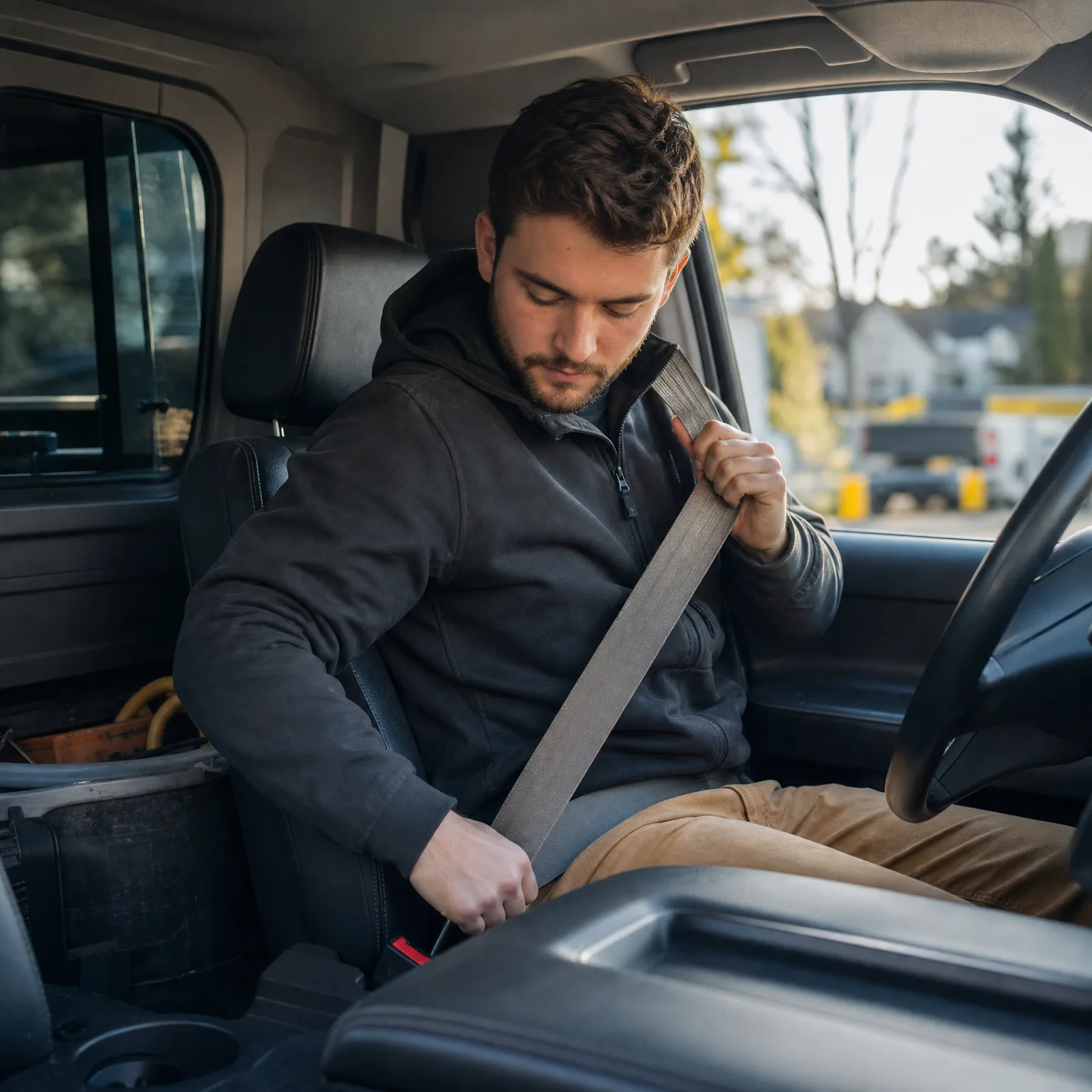
Why Non-Owner SR-22 Costs Less Than Owner SR-22 in Kansas But IID Costs More Than Both Combined
Non-owner SR-22 premiums in Kansas run $35–$65 per month for clean-history drivers adding filing after an uninsured-motorist suspension. The same driver adding owner SR-22 to a registered vehicle pays $85–$140 monthly because the policy must include comprehensive and collision exposure even when not required by law. Non-owner policies carry liability-only structure, eliminating vehicle-tied risk.
DUI-triggered non-owner SR-22 premiums range $60–$110 monthly in Kansas depending on county, age, and carrier risk tier. The premium spread widens because DUI filers face higher base rates regardless of policy type. Estimates based on available industry data; individual rates vary by driving history, coverage selections, and location.
Ignition interlock device requirements for Kansas DUI suspensions cost $75–$125 monthly for lease, installation, and calibration combined. Over a 3-year DUI SR-22 filing period, IID expenses total $2,700–$4,500. Premium savings from choosing non-owner over owner SR-22 ($50 monthly difference × 36 months = $1,800 saved) get absorbed by IID costs that owner and non-owner filers both pay. The coverage choice matters less than the interlock mandate.

Kansas Restricted License Eligibility Windows Vary by Cause and Court vs KDOR Track
Kansas DUI suspensions run on dual tracks: an administrative license suspension (ALS) issued by the Kansas Department of Revenue Division of Vehicles under K.S.A. 8-1002, and a separate criminal court suspension. First-offense DUI triggers 30-day hard suspension under ALS, followed by 330 days of restricted driving eligibility if you install an ignition interlock device. Second-offense DUI ALS imposes 1-year hard suspension with no restricted option during that year.
The criminal court track operates independently. Kansas judges issue restricted driving privileges as part of sentencing under K.S.A. 8-1015. These court-granted restricted licenses require ignition interlock installation, SR-22 filing, and petition approval showing employment or necessity. Court-defined restrictions limit travel to home-work-school-medical routes during approved hours only.
Uninsured-driving suspensions bypass the dual-track structure. KDOR suspends your license administratively, and restricted driving privileges are not available until you file SR-22, pay the $50 reinstatement fee, and satisfy any unpaid registration penalties. Failure-to-appear suspensions do not qualify for restricted licenses until the underlying court case resolves. Kansas does not grant restricted driving for procedural suspensions tied to open warrants.
What Happens If You Acquire a Vehicle During Your Kansas Non-Owner SR-22 Filing Period
Non-owner SR-22 policies cover you when driving borrowed vehicles with permission. They do not cover vehicles you own, lease, or regularly use. If you buy a car during your Kansas filing period, your non-owner policy becomes invalid the moment you take title. Kansas law requires liability coverage on all registered vehicles, and your SR-22 filing must attach to a valid policy covering the vehicle you drive.
You must convert to owner SR-22 within 30 days of vehicle acquisition. Contact your carrier immediately when you register a vehicle. Most non-standard carriers writing non-owner policies in Kansas also write owner policies, so conversion happens as a policy amendment rather than a full rewrite. The SR-22 filing itself remains continuous, but the underlying policy changes from non-owner to owner structure.
Failure to convert triggers automatic suspension. Kansas participates in electronic insurance verification, and KDOR receives notice when your non-owner policy cancels or when a vehicle registers in your name without matching coverage. The state treats this as an insurance lapse even if your non-owner policy remained active, because the policy type no longer matches your vehicle ownership status. You face re-suspension, additional reinstatement fees, and potential filing-period extension.

Cover Your Filing Before You Own a Car Again
Get My Non-Owner SR-22 Quote
Which Kansas Carriers Write Non-Owner SR-22 and How Fast They File
Progressive, Geico, The General, Dairyland, Bristol West, and National General all write non-owner SR-22 policies in Kansas and file electronically with KDOR. Electronic filing transmits within 24 hours of policy binding in most cases. KDOR processes incoming filings within 3–5 business days, though reinstatement timelines depend on whether you have satisfied all other suspension conditions.
State Farm writes non-owner SR-22 in Kansas but requires agent involvement and may take 3–5 days to file after policy purchase. USAA writes non-owner SR-22 for eligible military members and veterans, with similar electronic filing timelines to Progressive and Geico. Dairyland and Bristol West specialize in high-risk and post-suspension drivers, often offering approval when standard carriers decline.
Paper SR-22 filings still exist but add 7–14 days to processing. Some smaller regional carriers in Kansas use paper filing, and KDOR must manually enter these into the compliance database. If your reinstatement deadline is tight, confirm electronic filing capability before binding coverage. Kansas does not accept faxed SR-22 certificates as valid filings.
Kansas SR-22 Lapse Consequences and How to Avoid Automatic Re-Suspension
Kansas requires continuous SR-22 coverage for the entire filing period. If your policy lapses or cancels for any reason, your carrier electronically notifies KDOR within 24 hours. KDOR automatically re-suspends your license the day the lapse is reported. No grace period exists. Kansas uses an electronic insurance verification system coordinated between the Kansas Insurance Department and KDOR, so carrier-reported cancellations trigger immediate state action.
Reinstatement after SR-22 lapse requires filing new SR-22, paying another $50 reinstatement fee, and potentially extending your total filing period. If you lapse during year two of a 3-year DUI filing requirement, KDOR may reset your filing clock to three full years from the new filing date rather than crediting time already served. The statute allows this discretion under K.S.A. 8-1014.
Avoid lapses by setting calendar reminders 45 days before your policy renewal date and confirming payment method on file with your carrier. If you switch carriers mid-filing-period, the new carrier must file SR-22 before the old policy cancels. A single day of gap coverage triggers re-suspension even if you had valid coverage the day before and the day after.
How Kansas Non-Owner SR-22 Interacts With Restricted License and IID Requirements
Kansas restricted licenses require SR-22 filing as a condition of issuance for DUI-related suspensions. You cannot petition for restricted driving privileges until you file SR-22 and install an ignition interlock device. The court or KDOR will verify both before granting restricted status. Non-owner SR-22 satisfies this requirement the same way owner SR-22 does, as long as the policy remains active.
Ignition interlock requirements apply to the person, not the vehicle. If you drive a borrowed vehicle under a non-owner policy during your restricted license period, Kansas law requires that vehicle to have an IID installed when you are driving it. This creates a practical barrier: most vehicle owners will not install an IID on their car for occasional-use drivers. Non-owner SR-22 covers liability exposure, but you remain personally responsible for ensuring any vehicle you drive has a functioning IID.
Restricted license violations trigger immediate revocation. If you drive outside approved hours, routes, or purposes, or if you drive a vehicle without an IID when one is required, Kansas courts revoke your restricted privileges and reinstate the full hard suspension. The SR-22 filing period does not pause during revocation. You continue paying premiums for coverage you cannot legally use until reinstatement.
Frequently Asked Questions
Does Kansas non-owner SR-22 count toward my DUI filing requirement if I never own a car during the 3-year period?
Yes. Kansas SR-22 filing requirements attach to the driver, not the vehicle. Non-owner SR-22 satisfies the full 3-year DUI filing mandate as long as the policy remains active and the carrier maintains continuous electronic filing with KDOR. You do not need to own a vehicle to complete your filing period.
Can I get a Kansas restricted license with non-owner SR-22 or do I need owner SR-22?
You can petition for restricted driving privileges with non-owner SR-22. Kansas courts and KDOR verify that you have active SR-22 filing and ignition interlock installation but do not require vehicle ownership. Non-owner SR-22 satisfies the insurance filing condition for restricted license eligibility.
What happens to my Kansas SR-22 filing clock if I move out of state during my 3-year DUI period?
Kansas requires continuous SR-22 filing for the full period regardless of your residence. If you move to another state, you must transfer your SR-22 filing to that state's format and carrier, and the receiving state must file with Kansas KDOR to maintain your compliance status. Gaps in filing during the move trigger automatic Kansas re-suspension.
How much does non-owner SR-22 cost in Kansas for an uninsured-driving suspension vs a DUI suspension?
Uninsured-driving non-owner SR-22 premiums in Kansas typically run $35–$65 monthly for clean-history drivers. DUI-triggered non-owner SR-22 premiums range $60–$110 monthly because DUI violations carry higher base rates. Both estimates vary by county, age, and carrier risk tier.
Does Kansas extend my SR-22 filing period if I lapse coverage halfway through?
Yes. Kansas Division of Vehicles has statutory discretion under K.S.A. 8-1014 to reset your filing period to the full original duration from the date you refile SR-22 after a lapse. If you lapse during year two of a 3-year requirement, KDOR may require three new years rather than crediting time already served.
Can I drive any borrowed vehicle in Kansas with non-owner SR-22 or are there restrictions?
Non-owner SR-22 covers you when driving borrowed vehicles with owner permission. Kansas restricted licenses impose additional route, time, and ignition interlock requirements. If you have restricted privileges, the borrowed vehicle must have an IID installed when you drive it. Non-owner SR-22 provides liability coverage but does not override restricted license conditions.
Which Kansas carriers file SR-22 fastest after I buy a non-owner policy?
Progressive, Geico, The General, Dairyland, Bristol West, and National General file electronically with Kansas KDOR within 24 hours of policy binding. KDOR processes electronic filings within 3–5 business days. Paper filings from smaller carriers add 7–14 days to processing and should be avoided if your reinstatement deadline is tight.
Related Articles

Kansas Non-Owner SR-22 Cost by Cause | $35–$75/Month
5/19/2026

Kansas Non-Owner SR-22: Cost, Carriers & Filing Path
5/19/2026

Kansas Non-Owner SR-22 Filing Without a Vehicle
5/19/2026

Non-Owner SR-22 Kansas At-Fault Accident Suspension
5/19/2026

Non-Owner SR-22 Premium Range in Kansas | Carless Filer Cost Guide
5/19/2026

Kansas Non-Owner SR-22 vs Owner SR-22 Cost Comparison
5/19/2026