
Illinois Non-Owner SR-22 to Owner SR-22 When You Buy a Car
Get My Non-Owner SR-22 QuoteWhat Happens to Your Non-Owner SR-22 Filing When You Get a Car in Illinois
Your non-owner SR-22 policy stops providing coverage the moment you take title to a vehicle in Illinois. The policy covers you only when driving someone else's car with permission. If you register a vehicle in your name—or if you're added to a title as co-owner—you must convert to an owner policy within 24 hours to maintain continuous SR-22 filing with the Illinois Secretary of State.
The SR-22 filing itself does not automatically transfer to the new policy. Your previous carrier filed the SR-22 against a non-owner policy. When that policy cancels, the carrier sends an SR-26 cancellation notice to the Secretary of State. Your new carrier must file a replacement SR-22 on the owner policy before the cancellation notice takes effect, or your Restricted Driving Permit is automatically revoked.
Most carriers give you a 10-day window between the SR-26 notice and actual revocation. If you wait longer than that to convert, the Secretary of State receives the cancellation without a replacement filing on record, and your RDP is pulled. You'll face reinstatement procedures, additional fees, and a gap in your filing timeline that extends the total 3-year SR-22 requirement.

How to Convert Non-Owner SR-22 to Owner SR-22 Without Losing Your RDP
Contact your non-owner SR-22 carrier before you finalize the vehicle purchase or title transfer. Ask if they write owner policies in Illinois. Carriers like Dairyland, Progressive, GAINSCO, The General, and Bristol West write both non-owner and owner SR-22 policies. If your current carrier writes both, they can convert your policy same-day and file the replacement SR-22 electronically before the SR-26 cancellation goes through.
If your current carrier does not write owner policies—or if their owner-policy rates are unaffordable—you must secure a new carrier and policy before canceling the non-owner coverage. Provide the new carrier with your vehicle VIN, title documents, and SR-22 filing requirement details. Request same-day SR-22 filing after binding the policy. Once you confirm the new SR-22 is on file with the Secretary of State, cancel the non-owner policy.
Never cancel the non-owner policy before the replacement SR-22 is filed. Illinois allows no gap. A single day without active SR-22 filing triggers automatic RDP revocation under 625 ILCS 5/6-205. The Secretary of State does not send a warning letter. The revocation is immediate upon receipt of the SR-26.

What Owner SR-22 Policies Cost Compared to Non-Owner in Illinois
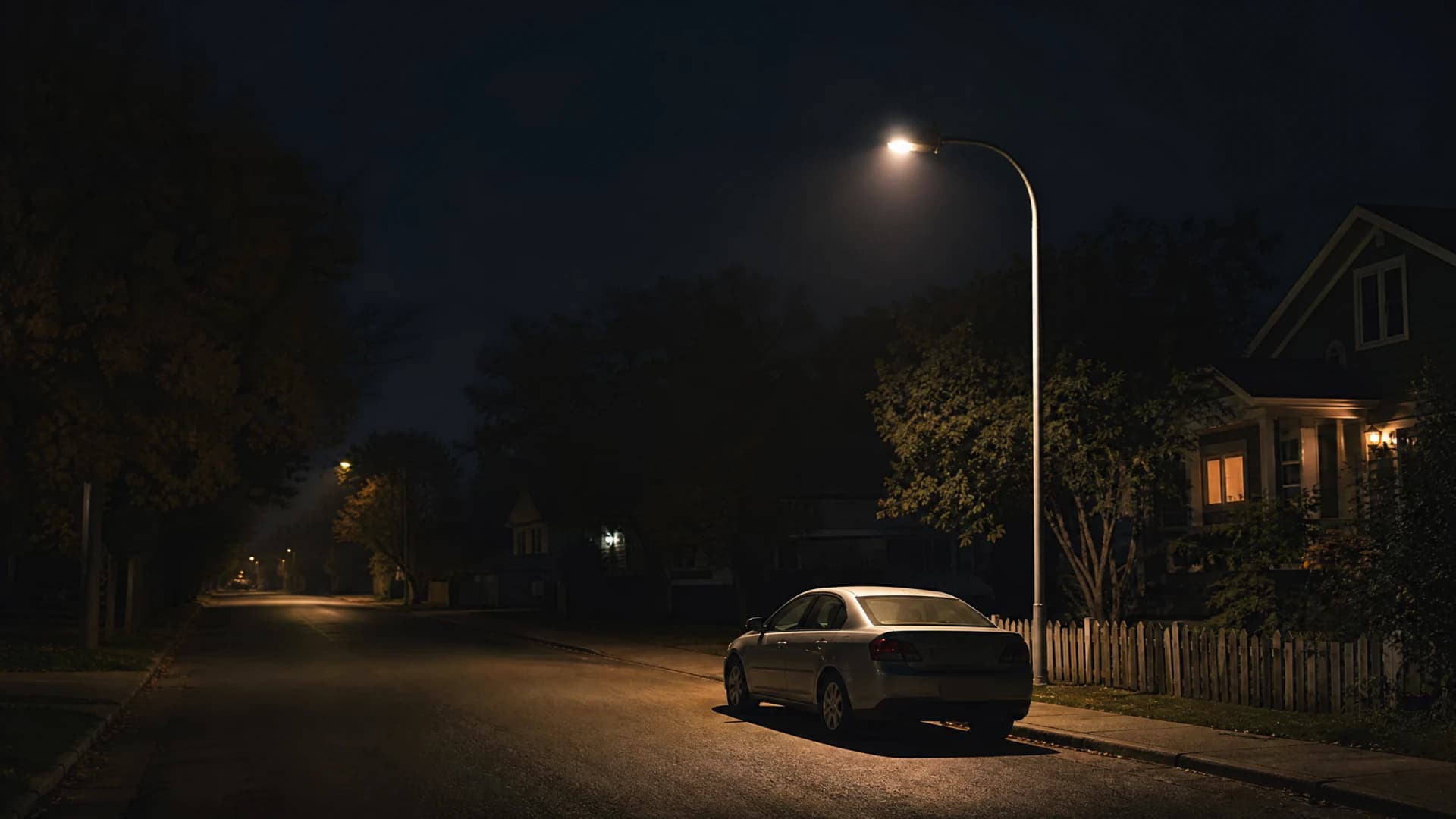
Non-owner SR-22 premiums in Illinois typically run $40–$75/month for liability-only coverage meeting state minimums of $25,000/$50,000/$20,000. Owner SR-22 premiums for the same liability limits typically start at $120–$180/month for a sedan or compact vehicle with clean title. The increase reflects the addition of comprehensive and collision coverage requirements if you financed the vehicle, plus the underwriting risk of insuring a specific vehicle tied to a driver with a suspension history.
If you purchased the vehicle outright with no lien, you can decline comprehensive and collision coverage and carry liability-only owner SR-22. That brings the premium closer to $90–$140/month in most Illinois counties. If you financed or leased, the lender requires full coverage, and premiums rise accordingly—often $200–$300/month depending on vehicle value, age, and your driving record severity.
Estimates based on available industry data; individual rates vary by ZIP code, vehicle type, coverage selections, and the original suspension trigger. DUI-related SR-22 filers typically pay 20–40% more than uninsured-motorist SR-22 filers for the same coverage.

Cover Your Filing Before You Own a Car Again
Get My Non-Owner SR-22 QuoteDoes the 3-Year SR-22 Filing Period Restart When You Convert Policies
No. The 3-year SR-22 filing requirement in Illinois runs from the date of your original conviction or suspension trigger, not from the date you convert policies. Switching from non-owner to owner SR-22 does not reset the clock. The Secretary of State tracks continuous filing across all policies as long as no gap occurs between the SR-26 cancellation and the replacement SR-22 filing.
If a gap does occur—even one day—the Secretary of State may treat it as a lapse and require you to restart the 3-year period from the date filing resumes. This depends on the nature of the original suspension and the discretion of the Safety and Financial Responsibility Division. DUI-related SR-22 filings face stricter enforcement than uninsured-motorist filings. Most drivers who maintain continuous filing across the policy conversion do not face timeline extension.
What Happens If You Drive Your Car on the Non-Owner Policy Before Converting
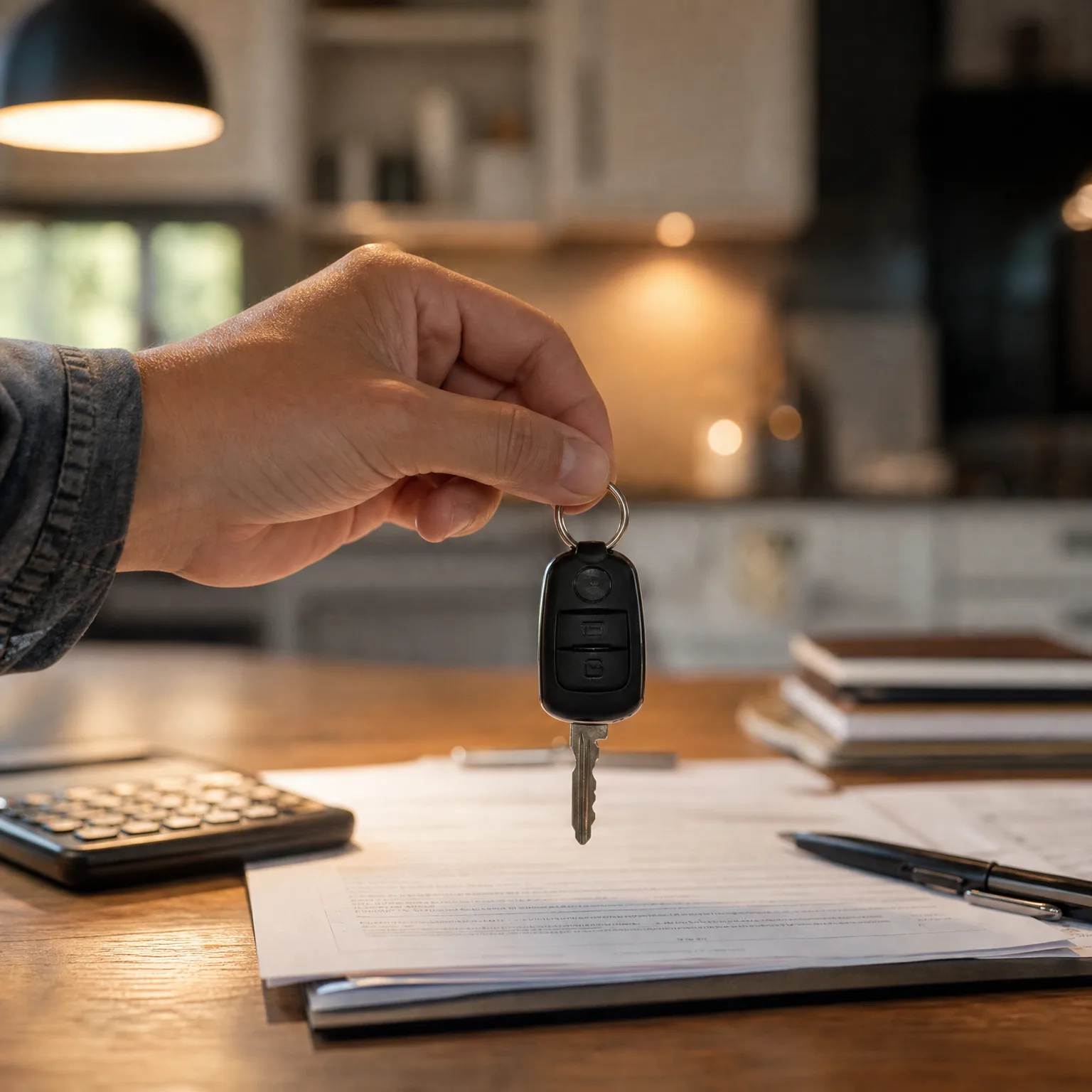
You are driving uninsured. Non-owner policies explicitly exclude coverage for any vehicle the named insured owns or has regular access to. If you cause an accident while driving your newly acquired vehicle on a non-owner policy, the carrier denies the claim. You are personally liable for all damages, injuries, and property loss—and the accident triggers a new uninsured-motorist suspension on top of your existing SR-22 requirement.
The Illinois Secretary of State treats driving without valid insurance as a Class A misdemeanor under 625 ILCS 5/3-707. If stopped, you face a ticket, vehicle impoundment, and immediate RDP revocation. The fact that you held an active non-owner SR-22 at the time of the stop does not matter—the policy did not cover the vehicle you were driving, which means you violated the mandatory insurance requirement.
Even if you are not stopped or involved in an accident, the gap in proper coverage creates a window of liability exposure. If the Secretary of State discovers the title transfer and policy mismatch during a routine audit, they can revoke your RDP retroactively and require reinstatement from scratch.

Which Illinois Carriers Write Both Non-Owner and Owner SR-22 Policies
Dairyland, Progressive, GAINSCO, The General, Bristol West, and Infinity all write both non-owner and owner SR-22 policies in Illinois. If you currently hold non-owner coverage with one of these carriers, contact them first. Same-carrier conversions are faster because the underwriting file already exists, and the SR-22 filing replacement happens electronically within the carrier's system without requiring manual Secretary of State coordination.
State Farm and Geico write owner SR-22 policies in Illinois but do not write non-owner SR-22. If you need to switch carriers during the conversion, expect a 1–3 business day delay for the new carrier to underwrite, bind, and file the replacement SR-22. Request expedited filing and confirm receipt with the Secretary of State before canceling the non-owner policy.
National General, Kemper, and Acceptance also write owner SR-22 in Illinois and may offer competitive rates for drivers transitioning from non-owner to owner coverage. Compare quotes from at least three carriers before binding. Premium variance for the same coverage can exceed 40% between carriers for SR-22-required drivers.
Frequently Asked Questions
Can I add a vehicle to my non-owner SR-22 policy instead of converting to a new policy?
No. Non-owner SR-22 policies cannot be amended to cover a vehicle you own. The policy structure excludes owned vehicles by definition. You must cancel the non-owner policy and purchase a separate owner SR-22 policy naming the vehicle.
What if I only drive the car occasionally and still use borrowed vehicles most of the time?
Illinois law requires owner SR-22 coverage the moment you take title to any vehicle, regardless of how often you drive it. The non-owner policy stops covering you entirely once you own a car. You cannot maintain non-owner coverage and drive your own vehicle even occasionally.
Do I need to notify the Illinois Secretary of State when I convert from non-owner to owner SR-22?
No. Your new carrier files the replacement SR-22 electronically with the Secretary of State when they bind your owner policy. The Secretary of State receives both the SR-26 cancellation from your old carrier and the new SR-22 from your new carrier automatically.
What happens if I sell the car or total it before the SR-22 filing period ends?
You must convert back to a non-owner SR-22 policy immediately to maintain continuous filing. If you cancel the owner policy without replacing it, the Secretary of State receives an SR-26 and revokes your RDP. You cannot go without active SR-22 coverage at any point during the 3-year filing period.
Can I keep the non-owner policy active and add a separate owner policy for the car?
Technically yes, but it serves no purpose and doubles your premium cost. Once you own a vehicle, the non-owner policy provides no coverage for you. Most drivers cancel the non-owner policy the same day they bind the owner policy to avoid paying for redundant, non-functional coverage.
How long does it take for the new carrier to file the replacement SR-22 with Illinois?
Electronic SR-22 filing is typically processed within 1–3 business days after you bind the policy. Some carriers offer same-day filing if you bind early in the business day. Request expedited filing and ask for confirmation that the SR-22 has been accepted by the Secretary of State before canceling your non-owner policy.
Related Articles
Illinois Non-Owner SR-22: Filing Without a Vehicle
5/19/2026
Illinois Non-Owner SR-22 Application Without a Vehicle
5/19/2026

IL Non-Owner vs Owner SR-22: Cost and Coverage Gaps
5/19/2026

Non-Owner SR-22 in Illinois With Suspension—Does It Work?
5/19/2026

Non-Owner SR-22 in Illinois After Reckless Driving
5/19/2026

Non-Owner to Owner SR-22 Conversion After Buying a Car
5/19/2026