
Illinois Non-Owner SR-22 Carrier Selection: Who Actually Writes It
Get My Non-Owner SR-22 QuoteWhich carriers write non-owner SR-22 in Illinois without vehicle ownership requirements
Fifteen carriers write non-owner SR-22 policies in Illinois as of current state filings. Seven accept applications online without employment verification: Progressive, GEICO, State Farm, Dairyland, The General, Bristol West, and GAINSCO. Eight require either broker contact or employer documentation before issuing coverage: Acceptance, Infinity, National General, Kemper, and four regional carriers operating through captive agent networks.
State Farm writes the most non-owner SR-22 policies in Illinois by volume but rejects applicants with multiple DUI convictions or suspended license duration exceeding three years. Progressive accepts applicants with up to two DUI convictions within five years and issues coverage within 24 hours of application approval. GEICO underwrites non-owner SR-22 for first-offense DUI suspensions but declines coverage for uninsured motorist suspensions lasting longer than 18 months.
Dairyland and The General target drivers declined by standard carriers. Dairyland accepts Illinois applicants with three or more moving violations in the past 36 months. The General writes non-owner SR-22 for drivers with active Restricted Driving Permit (RDP) status but requires BAIID device verification before filing. Bristol West operates through independent agents and accepts applications rejected by GEICO or Progressive, typically at premiums 40-60% higher than standard non-owner rates.
Kemper and Infinity require broker contact for non-owner SR-22 applications in Illinois. Neither carrier offers direct online enrollment for carless drivers. Acceptance Insurance underwrites non-owner SR-22 through independent agents but rejects applicants who cannot provide employer verification letters documenting work commute necessity. Illinois law does not require employment proof for non-owner SR-22 coverage, but carrier underwriting guidelines impose this requirement independently.
What non-owner SR-22 costs in Illinois by suspension cause and carrier tier
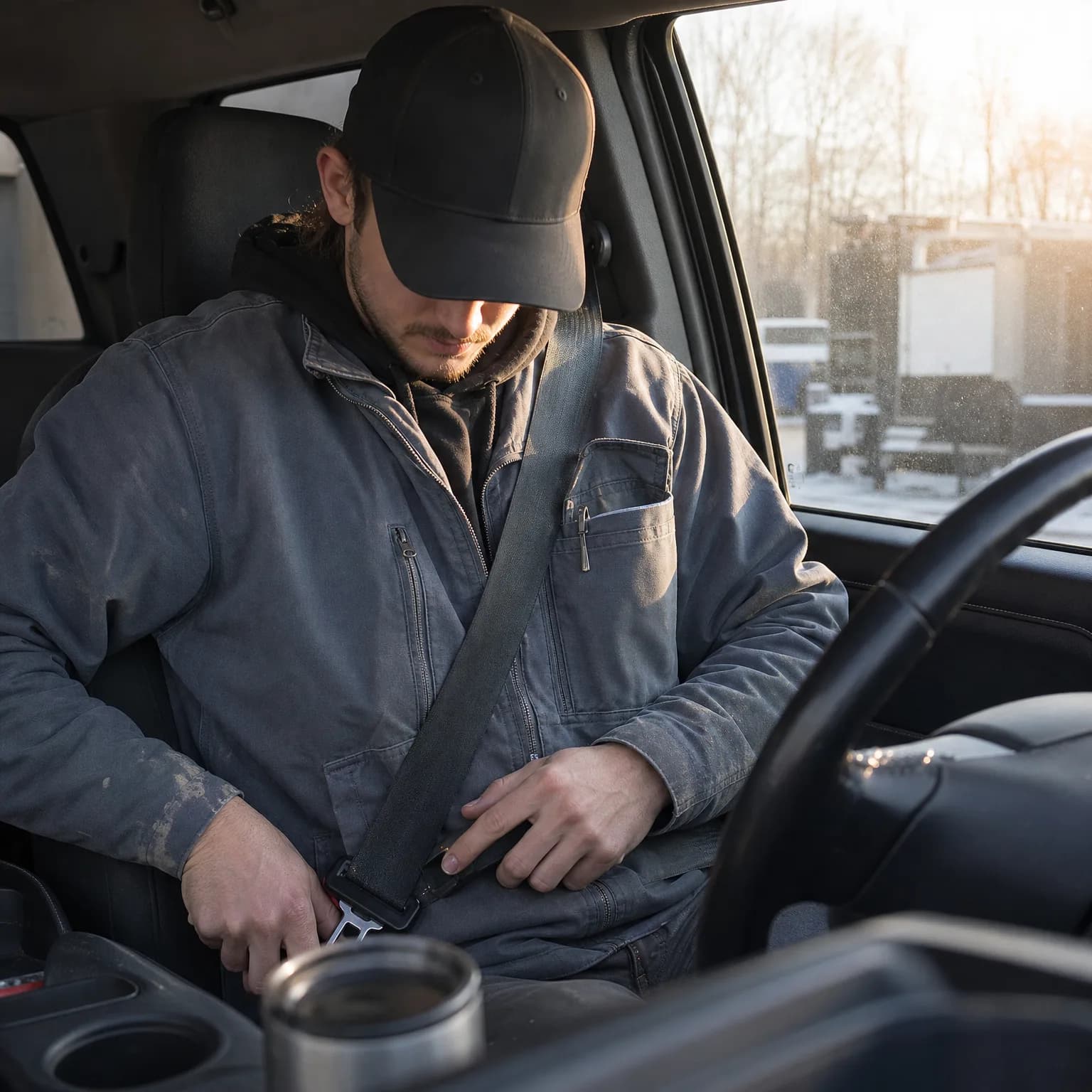
Non-owner SR-22 premiums in Illinois range from $35 to $95 per month depending on suspension cause, carrier tier, and driver history. First-offense DUI suspensions requiring SR-22 filing typically cost $55-$75/month through standard carriers (Progressive, GEICO, State Farm). Uninsured motorist suspensions cost $40-$60/month because carriers assess lower risk for insurance lapse violations than alcohol-related offenses. Multiple-offense DUI suspensions or suspensions exceeding three years duration cost $75-$95/month and require non-standard carriers like Dairyland or The General.
Illinois charges a $50 SR-22 filing fee per carrier submission to the Secretary of State. This fee is separate from the insurance premium and paid once at policy inception unless the policy lapses and requires refiling. Total three-year filing period cost for first-offense DUI non-owner SR-22 ranges from $2,030 to $2,750 (premium plus filing fee). Estimates based on available industry data; individual rates vary by ZIP code, age, and specific violation details.
Carriers writing non-owner SR-22 in Illinois divide into three pricing tiers. Standard carriers (Progressive, GEICO, State Farm) charge the lowest premiums but decline drivers with multiple violations or suspensions longer than 36 months. Non-standard carriers (Dairyland, Bristol West, The General) accept declined applicants at premiums 35-60% higher than standard rates. Broker-only carriers (Kemper, Infinity, Acceptance) quote individually and typically fall between standard and non-standard pricing but require employment documentation or additional underwriting steps before approval.
Illinois does not use FR-44 filing. All suspension causes requiring high-risk insurance filing use SR-22 forms filed with the Secretary of State Safety and Financial Responsibility Division. DUI-related Restricted Driving Permits require BAIID installation in addition to SR-22 filing, which adds $70-$120/month to total compliance cost but does not increase the insurance premium itself.


How Illinois non-owner SR-22 filing works when you don't own a vehicle
Non-owner SR-22 policies provide liability coverage when you drive a vehicle you do not own with the owner's permission. The policy satisfies Illinois Secretary of State SR-22 filing requirements without requiring vehicle registration or vehicle identification numbers. The carrier files Form SR-22 electronically with the Secretary of State within 24-48 hours of policy inception, and the filing remains active as long as premiums are paid without lapse.
Illinois requires continuous SR-22 filing for three years from the date of license reinstatement following DUI-related suspensions. Uninsured motorist suspensions require SR-22 filing for three years from the date the suspension order was issued, not from the reinstatement date. If your SR-22 policy lapses for non-payment, the carrier notifies the Secretary of State within 10 days, and your license is re-suspended immediately. Reinstatement after lapse requires paying a new $70 reinstatement fee plus a new $50 SR-22 filing fee, and the three-year filing period restarts from zero.
Non-owner SR-22 does NOT cover vehicles you own, lease, or register in your name. If you purchase a vehicle during the three-year filing period, you must convert to a standard owner SR-22 policy within 30 days or your coverage becomes invalid and the carrier cancels the SR-22 filing. Converting to owner SR-22 increases premiums by 50-120% because the policy now covers comprehensive and collision risks in addition to liability. Some drivers maintain both non-owner and owner policies during the filing period to preserve occasional driver coverage when borrowing vehicles, but this is not required by Illinois law.
The Secretary of State does not issue hardship or restricted driving permits to drivers without proof of SR-22 filing. If you apply for a Restricted Driving Permit (RDP) before securing non-owner SR-22 coverage, the application is automatically denied and the $8 hearing fee is not refunded. Secure the policy first, confirm the carrier has filed SR-22 electronically, then submit the RDP application with proof of filing attached.
Why eight carriers reject Illinois non-owner SR-22 applications without employer letters
Acceptance Insurance, Infinity, Kemper, and five regional carriers operating in Illinois require employer verification letters before underwriting non-owner SR-22 policies. These carriers interpret non-owner coverage as hardship-adjacent and impose employment documentation requirements mirroring Restricted Driving Permit (RDP) application procedures. Illinois insurance law does not require employment proof for non-owner SR-22 policies, but carriers set independent underwriting guidelines that exceed state minimums.
Employer verification letters requested by these carriers must include: employer name and contact information, applicant job title, work address, scheduled work hours, and a statement that the applicant requires driving privileges to maintain employment. Letters must be dated within 30 days of application submission and printed on employer letterhead. Carriers reject handwritten letters, letters from family-owned businesses where the applicant is a partial owner, and letters from gig-economy platforms (Uber, Lyft, DoorDash) because these do not meet underwriting standards for employment verification.
Drivers without traditional employment cannot secure non-owner SR-22 coverage from carriers requiring employer letters. Self-employed drivers, unemployed drivers reinstating licenses before job searches, and drivers using public transportation for work commutes are declined at application. These applicants must apply through carriers that do not impose employment verification requirements: Progressive, GEICO, State Farm, Dairyland, The General, Bristol West, or GAINSCO. All seven accept non-owner SR-22 applications without employer documentation and underwrite based solely on driving history and suspension cause.
The employment-verification requirement does not correlate with premium pricing. Kemper and Infinity quote similar rates to Progressive and GEICO when applications are approved, but the additional documentation step delays policy issuance by 5-10 business days. Drivers needing immediate SR-22 filing to meet RDP hearing deadlines or reinstatement windows should avoid carriers requiring employer letters and apply directly through online-enrollment carriers instead.
Cover Your Filing Before You Own a Car Again
Get My Non-Owner SR-22 Quote
What happens if you buy a vehicle during the Illinois SR-22 filing period
Purchasing a vehicle while holding non-owner SR-22 coverage requires converting to a standard owner SR-22 policy within 30 days. Illinois law does not provide a grace period for this conversion. If you drive a newly acquired vehicle under non-owner coverage beyond 30 days, the policy becomes void and the carrier cancels SR-22 filing. The Secretary of State re-suspends your license immediately upon receiving the cancellation notice, and you must pay a new $70 reinstatement fee plus a $50 SR-22 filing fee to restore driving privileges.
Converting from non-owner to owner SR-22 increases premiums by 50-120% depending on the vehicle's year, make, model, and your ZIP code. A $60/month non-owner SR-22 policy typically converts to $90-$130/month owner SR-22 coverage for a 2015-2020 sedan. Premiums increase further if you add comprehensive or collision coverage, though Illinois does not require either for SR-22 filing purposes. Liability-only owner SR-22 satisfies state filing requirements and costs less than full-coverage policies.
Some drivers maintain both non-owner and owner SR-22 policies simultaneously to preserve coverage when driving borrowed vehicles in addition to their own. Illinois allows dual-policy arrangements, but both policies must carry SR-22 endorsements and both carriers must file SR-22 forms with the Secretary of State. This arrangement doubles filing fees ($50 per carrier) and increases total monthly premium costs by $35-$55, making it impractical for most budget-conscious drivers. The Secretary of State accepts SR-22 filings from multiple carriers without penalty as long as all policies remain active without lapse.
If you receive a vehicle as a gift, inherit a vehicle, or are added to a family member's vehicle title during the filing period, the same 30-day conversion requirement applies. Partial ownership triggers the owner-policy requirement. Drivers who co-sign vehicle loans or are listed as co-owners on registration documents must convert to owner SR-22 coverage even if they are not the primary vehicle user.
How Restricted Driving Permit status affects non-owner SR-22 carrier selection
Illinois issues Restricted Driving Permits (RDPs) to drivers with suspended licenses who meet specific hardship criteria and maintain SR-22 insurance filing. RDP status does not affect non-owner SR-22 eligibility, but five carriers decline applications from drivers holding active RDPs due to underwriting policies targeting post-reinstatement drivers only. State Farm, GEICO, and Allstate reject non-owner SR-22 applications from drivers with active RDP status and refer applicants to non-standard carriers.
Dairyland, The General, Bristol West, Progressive, and GAINSCO write non-owner SR-22 policies for drivers holding Illinois RDPs without additional underwriting restrictions. These carriers accept RDP documentation as proof of hardship need and issue coverage at standard non-owner rates. The General requires BAIID device verification for DUI-related RDPs before filing SR-22, but this requirement does not increase premiums or delay policy issuance beyond 48 hours.
Drivers applying for RDPs must secure SR-22 coverage before submitting RDP applications to the Secretary of State. The RDP application requires proof of SR-22 filing at submission, and applications lacking this documentation are denied without hearing. Securing non-owner SR-22 coverage 5-7 business days before the scheduled RDP hearing ensures the carrier has filed SR-22 electronically and the filing appears in Secretary of State records before the hearing officer reviews the application.
RDP restrictions do not affect non-owner SR-22 coverage terms. RDPs limit driving to specific routes, times, and purposes (work, medical appointments, alcohol treatment programs, education), but the insurance policy covers liability whenever you drive a non-owned vehicle with permission, regardless of RDP restrictions. Violating RDP route or time restrictions does not void non-owner SR-22 coverage, though it triggers RDP revocation and license re-suspension through separate administrative proceedings.
When to compare quotes across multiple non-owner SR-22 carriers in Illinois
Non-owner SR-22 premiums vary by $20-$45/month between carriers for identical driver profiles and suspension causes. Progressive quotes $55/month for first-offense DUI non-owner SR-22 in Chicago ZIP codes, while GEICO quotes $68/month and State Farm quotes $72/month for the same driver. Dairyland and The General quote $85-$95/month for drivers declined by standard carriers. Comparing quotes from at least three carriers before purchasing coverage saves $720-$1,620 over the required three-year filing period.
Carriers evaluate suspension cause, duration, and driving history differently when underwriting non-owner SR-22 applications. GEICO declines uninsured motorist suspensions longer than 18 months but accepts two-DUI drivers within five years. Progressive accepts uninsured suspensions up to 36 months but declines three-DUI drivers. State Farm accepts first-offense DUI drivers but declines suspensions exceeding three years regardless of cause. Drivers declined by one carrier often qualify for standard rates through a different carrier rather than moving immediately to non-standard options.
Online quote comparison tools requesting vehicle information cannot generate accurate non-owner SR-22 quotes. Non-owner policies do not require vehicle identification numbers, registration details, or vehicle make/model data. Carriers writing non-owner SR-22 provide quotes through dedicated non-owner application workflows separate from standard auto insurance quote tools. Applicants must specify non-owner coverage at application inception or the quote reflects owner-policy pricing instead.
Brokers representing multiple carriers (typically independent agents writing Kemper, Infinity, Acceptance, and Bristol West) charge policy fees ranging from $25 to $75 in addition to carrier premiums. Direct-enrollment carriers (Progressive, GEICO, State Farm, Dairyland, The General, GAINSCO) do not charge broker fees. Total cost comparison must include broker fees when evaluating broker-only carrier quotes against direct-enrollment carrier quotes. A $60/month Kemper quote plus $50 broker fee costs more over three years than a $65/month Progressive quote with no broker fee.
Frequently Asked Questions
Can I get non-owner SR-22 in Illinois if I'm unemployed
Seven Illinois carriers write non-owner SR-22 for unemployed drivers without requiring employer verification letters: Progressive, GEICO, State Farm, Dairyland, The General, Bristol West, and GAINSCO. Eight carriers (Acceptance, Infinity, Kemper, and five regional carriers) reject applications without employer documentation, but Illinois law does not require employment proof for non-owner SR-22 coverage. Apply through direct-enrollment carriers to avoid documentation requirements.
Does non-owner SR-22 cover me if I borrow my spouse's car in Illinois
Non-owner SR-22 provides liability coverage when you drive any vehicle you do not own with the owner's permission, including your spouse's car. The policy does not cover vehicles registered in your name or vehicles you co-own. If you are listed as a co-owner on your spouse's vehicle title or registration, you must convert to owner SR-22 coverage within 30 days or the policy becomes void.
What happens if my non-owner SR-22 lapses during my Illinois filing period
If your non-owner SR-22 policy lapses for non-payment, the carrier notifies the Illinois Secretary of State within 10 days and your license is re-suspended immediately. Reinstatement requires paying a new $70 reinstatement fee plus a $50 SR-22 filing fee, and the three-year filing period restarts from zero. Continuous coverage without lapse is required to avoid re-suspension and additional fees.
Can I switch non-owner SR-22 carriers in Illinois without restarting my filing period
You can switch carriers during the three-year filing period without restarting the clock if the new carrier files SR-22 before the old policy expires. The gap between policies must be zero days. If coverage lapses even one day during the switch, the Secretary of State re-suspends your license and the filing period restarts. Schedule the new policy effective date to match the old policy expiration date exactly.
Do I need BAIID and non-owner SR-22 for an Illinois DUI suspension
DUI-related Restricted Driving Permits in Illinois require both BAIID installation and SR-22 filing. The BAIID device costs $70-$120/month for installation, monitoring, and calibration, separate from the non-owner SR-22 insurance premium. The General and Dairyland require BAIID verification documentation before issuing SR-22 coverage for DUI-related RDP holders, but other carriers do not impose this requirement for post-reinstatement drivers.
Which Illinois non-owner SR-22 carrier files SR-22 fastest after purchase
Progressive and GEICO file SR-22 electronically with the Illinois Secretary of State within 24 hours of policy purchase. State Farm files within 48 hours. Dairyland, The General, and Bristol West file within 48-72 hours. Broker-only carriers (Kemper, Infinity, Acceptance) require 5-10 business days for underwriting approval before filing. Drivers needing immediate SR-22 filing for RDP hearings or reinstatement deadlines should apply through Progressive or GEICO.
Does non-owner SR-22 cost more in Chicago than downstate Illinois
Non-owner SR-22 premiums vary by ZIP code within Illinois. Chicago ZIP codes (60601-60827) average $10-$18/month higher than downstate ZIP codes for identical driver profiles and suspension causes. Cook County ZIP codes average $8-$14/month higher than collar-county ZIP codes. Urban ZIP codes with higher liability claim frequencies produce higher non-owner SR-22 premiums, but the difference is smaller than owner-policy ZIP code variation because non-owner policies do not cover theft or collision risks tied to vehicle storage location.
Related Articles

Non-Owner SR-22 Carriers in Illinois: Who Files
5/19/2026
Illinois Non-Owner SR-22 Application Without a Vehicle
5/19/2026

Illinois Non-Owner SR-22: Filing Without a Vehicle
5/19/2026
IL Non-Owner vs Owner SR-22: Cost and Coverage Gaps
5/19/2026
Illinois Non-Owner SR-22 Cost: $35–$85/Mo for Carless Filers
5/19/2026
Non-Owner SR-22 in Illinois With Suspension—Does It Work?
5/19/2026