
How Long Non-Owner SR-22 Filing Runs in Delaware by Cause Type
Get My Non-Owner SR-22 QuoteDelaware SR-22 Filing Duration by Suspension Trigger
Delaware requires SR-22 filing for 3 years following a DUI conviction under 21 Del. C. § 2742. The clock begins on the conviction date, not the date you file.
Uninsured driving suspensions under 21 Del. C. § 2118 also trigger 3-year filing periods. If you were cited for driving without insurance and your license was suspended, you must maintain continuous SR-22 coverage for the full term to satisfy DMV reinstatement conditions.
Reckless driving convictions and point-accumulation suspensions typically require 3 years of filing, though the DMV may shorten this period in limited cases. The Division of Motor Vehicles maintains final authority over filing duration. Verify your specific requirement by checking your suspension notice or contacting the DMV directly.

Why the Filing Start Date Matters More Than the Conviction Date
Delaware law measures the filing period from your conviction date, but the clock does not start running until you actually file. If you were convicted January 1 and filed SR-22 on March 1, your 3-year filing obligation runs from January 1—but the DMV does not begin counting until March 1.
This structure costs non-owner filers months of compliance credit. Most drivers delay filing during the hard suspension period, believing the clock is running regardless. It is not. Every day you delay filing after conviction is a day you do not accrue toward your 3-year requirement.
To minimize total filing cost, file SR-22 as soon as your suspension begins, even before you are eligible for a Conditional License under Delaware's early-restoration program. Early filing accrues time toward your total obligation and shortens the tail end of your filing period.

Non-Owner SR-22 Coverage: What It Does and Does Not Cover
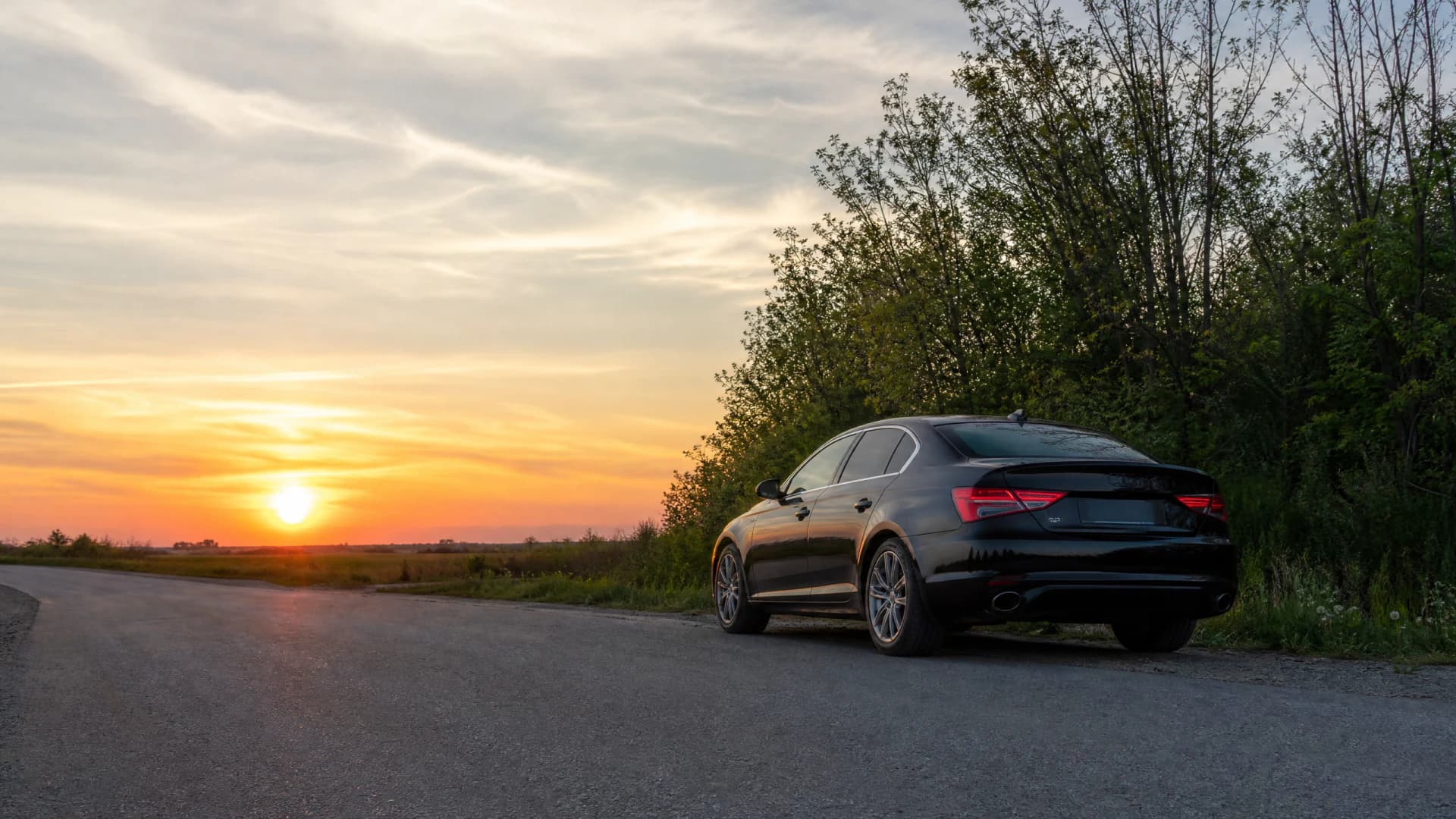
Non-owner SR-22 insurance provides liability coverage when you drive a borrowed vehicle with the owner's permission. It satisfies Delaware's SR-22 filing requirement and typically costs 30-60% less than owner SR-22 policies because no specific vehicle is insured.
Non-owner SR-22 does not cover any vehicle you own, lease, or register. If you acquire a car during your filing period—through purchase, gift, or inheritance—you must convert to an owner policy immediately. Driving your own vehicle on a non-owner policy leaves you uninsured and violates your filing terms.
Delaware's electronic insurance verification system flags ownership changes automatically. When you register a vehicle, the DMV cross-references your active insurance. If your non-owner policy does not match your registered vehicle, the DMV will suspend your filing and restart your suspension clock.
Converting from Non-Owner to Owner SR-22 Mid-Filing
If you buy a vehicle during your filing period, contact your carrier the day you register it. Most non-standard carriers writing non-owner SR-22 also write owner policies and can convert your coverage within 24-48 hours.
The conversion requires a Vehicle Identification Number, proof of ownership, and updated coverage selections. Liability-only owner SR-22 costs more than non-owner SR-22 but less than full-coverage policies. You maintain continuous filing status as long as the policy does not lapse.
If your non-owner carrier does not write owner policies in Delaware, you must switch carriers. File the new owner policy before canceling the non-owner policy. Any gap between cancellation and new filing triggers an SR-22 lapse notice to the DMV and restarts your suspension.

Cover Your Filing Before You Own a Car Again
Get My Non-Owner SR-22 Quote
Delaware Ignition Interlock and Non-Owner SR-22 Interaction
Delaware requires ignition interlock devices for DUI offenders seeking Conditional License eligibility under 21 Del. C. § 2742A. Non-owner SR-22 filers face a structural problem: interlock devices must be installed in a specific vehicle you drive regularly, but non-owner policies assume no regular vehicle access.
If you plan to apply for a Conditional License and need interlock compliance, you must identify a vehicle for installation before your hearing. This can be a family member's vehicle or an employer's vehicle if documented and approved by the DMV. The interlock requirement runs concurrently with your SR-22 filing period, not separately.
Non-owner filers who do not apply for hardship privileges avoid the interlock requirement during their hard suspension. Once your full suspension ends and you regain unrestricted driving privileges, the SR-22 filing continues without interlock unless your conviction specifically mandates it beyond the suspension period.

Lapse Consequences and Filing Restart Rules
If your non-owner SR-22 policy lapses for any reason—missed payment, intentional cancellation, carrier non-renewal—your insurer files an SR-26 cancellation notice with the Delaware DMV. The DMV suspends your license immediately and restarts your filing period from zero.
Delaware does not offer grace periods for SR-22 lapses. The suspension becomes effective the day the SR-26 is filed, not the day you receive notice. Reinstatement requires paying a $25 fee, filing new SR-22, and restarting the full 3-year period.
Some carriers offer automatic payment plans and lapse-protection programs for SR-22 filers. These reduce but do not eliminate lapse risk. Monitor your policy status monthly and confirm active filing with the DMV every 6 months to catch clerical errors before they become suspensions.
Non-Owner Carriers Writing SR-22 in Delaware
Dairyland, Geico, Progressive, The General, National General, and Direct Auto all write non-owner SR-22 policies in Delaware. Monthly premiums for non-owner liability-only coverage with SR-22 filing typically range from $45 to $90 depending on your violation history and county.
Not all carriers file SR-22 electronically with the Delaware DMV. Confirm your carrier's filing method at purchase and request confirmation once the SR-22 is submitted. Electronic filings process within 1-3 business days; paper filings can take 7-10 business days.
If you move out of Delaware during your filing period, your non-owner SR-22 does not automatically transfer. You must purchase a new policy in your destination state and maintain dual coverage during the transition to avoid lapse. Some states honor Delaware SR-22 filings; most do not.
Frequently Asked Questions
Does Delaware's 3-year SR-22 filing period start when I'm convicted or when I file?
Delaware measures the 3-year period from your conviction date under 21 Del. C. § 2742, but the clock does not begin running until you actually file SR-22 with the DMV. If you delay filing, you lose months of compliance credit.
Can I switch from non-owner SR-22 to owner SR-22 without restarting my filing period?
Yes, as long as you maintain continuous coverage without any gap. Contact your carrier before registering the vehicle and convert the policy the same day to preserve your filing timeline.
What happens if my non-owner SR-22 lapses in Delaware?
The carrier files an SR-26 cancellation notice with the DMV, your license is suspended immediately, and your 3-year filing period restarts from zero. Delaware does not offer grace periods for SR-22 lapses.
Do I need ignition interlock if I'm filing non-owner SR-22 in Delaware?
Delaware requires interlock for DUI offenders applying for Conditional License privileges under 21 Del. C. § 2742A. Non-owner filers serving hard suspensions without hardship privileges avoid the interlock requirement during the suspension period.
How much does non-owner SR-22 cost in Delaware?
Monthly premiums typically range from $45 to $90 for liability-only non-owner SR-22, approximately 30-60% less than owner SR-22. Estimates based on available industry data; individual rates vary by carrier and violation history.
Can I use Delaware non-owner SR-22 if I move to another state?
Most states do not honor out-of-state SR-22 filings. You must purchase a new policy in your destination state and maintain dual coverage during the transition to avoid lapse and suspension.
Related Articles
Non-Owner SR-22 Filing Duration DC by Cause Type
5/19/2026

Delaware Non-Owner SR-22: Cost, Carriers, Filing Path
5/19/2026

Delaware Non-Owner SR-22 by Cause: DUI vs Uninsured
5/19/2026

Delaware Non-Owner SR-22 Cost by Cause | Carless Filers
5/19/2026

Non-Owner SR-22 Filing Period: Count Down to End Date
5/19/2026

Non-Owner SR-22 After Reinstatement: Filing Duration
5/19/2026