
Hawaii Non-Owner SR-22 vs Owner SR-22: When the Non-Owner Variant Saves Money
Get My Non-Owner SR-22 QuoteWhy Non-Owner SR-22 Exists in Hawaii and When It's the Right Product
Non-owner SR-22 insurance provides liability coverage when you drive someone else's vehicle with permission and satisfies Hawaii's SR-22 filing requirement without naming a specific vehicle on the policy. It costs substantially less than owner SR-22 because it carries no comprehensive or collision coverage and no vehicle-specific risk calculation.
Hawaii requires SR-22 filing after DUI convictions, reckless driving convictions, and certain uninsured driving offenses under HRS Chapter 291E and the Motor Vehicle Safety Responsibility Act (HRS Chapter 287). The SR-22 form itself is not insurance—it is a certificate filed by your insurer with the Hawaii Department of Transportation Driver Licensing Division confirming you carry at least minimum liability coverage: $20,000 bodily injury per person, $40,000 per accident, and $10,000 property damage. Hawaii is a no-fault state, so you must also carry personal injury protection (PIP) coverage.
Non-owner SR-22 makes sense if your vehicle was impounded after the underlying offense, you sold your car during the suspension period to reduce costs, or you never owned a vehicle to begin with. Urban drivers on Oahu who rely on TheBus and occasional borrowed-vehicle use fit this profile. The product does not work if you currently own a vehicle or plan to acquire one during the filing period—Hawaii carriers will not file SR-22 against a non-owner policy if you have regular access to a vehicle you own or lease.
Hawaii's county-administered DMV structure complicates non-owner SR-22 filing. Driver licensing is handled at the county level—City & County of Honolulu, Maui County, Hawaii County, and Kauai County—not through a single state DMV. When your insurer files SR-22, they must coordinate with the correct county office for your island of residence. Miscommunication between carrier, applicant, and county office is the most common delay point in non-owner SR-22 reinstatement in Hawaii.
Cost Difference Between Non-Owner SR-22 and Owner SR-22 in Hawaii
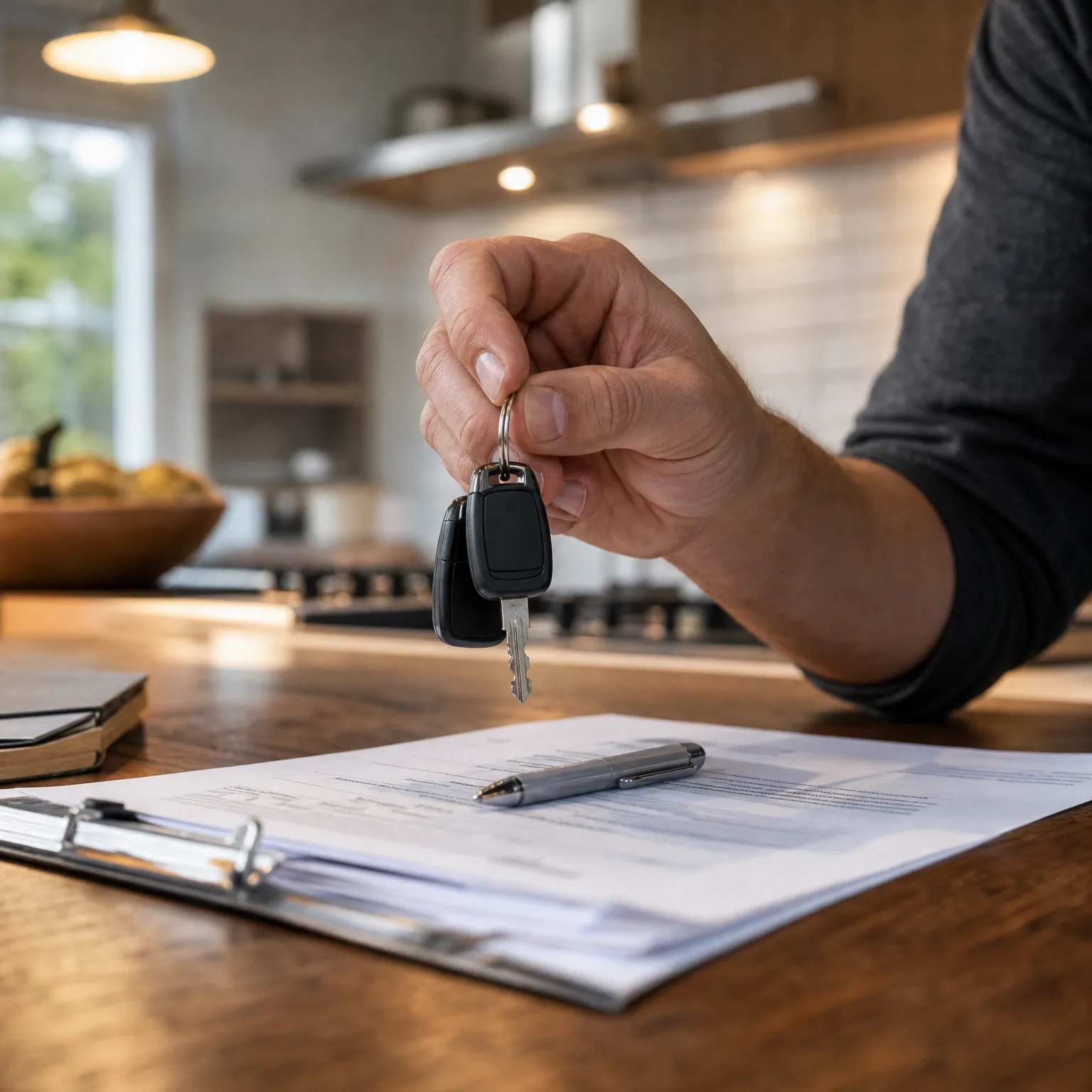
Non-owner SR-22 premiums in Hawaii typically range $45–$80 per month for minimum liability limits plus PIP. Owner SR-22 premiums for the same driver profile start at $130–$220 per month because they include comprehensive and collision coverage tied to a specific vehicle's value, year, and theft risk.
Geico, Progressive, and National General write non-owner SR-22 policies in Hawaii and accept online applications. State Farm writes SR-22 but does not consistently offer non-owner variants—call to confirm availability. USAA writes non-owner SR-22 for eligible military members and their families.
The SR-22 filing fee in Hawaii is separate from premium and ranges $15–$35 depending on carrier. This is a one-time charge per filing event. If your policy lapses and the carrier files SR-26 (cancellation notice) with the county DMV, you will pay the filing fee again when reinstating coverage.
Over a typical 3-year DUI SR-22 filing period in Hawaii, non-owner SR-22 costs approximately $1,620–$2,880 in total premiums. Owner SR-22 over the same period costs $4,680–$7,920. The savings justifies non-owner coverage only if you genuinely do not own or regularly operate a specific vehicle.


What Non-Owner SR-22 Covers and What It Does Not
Non-owner SR-22 provides liability coverage when you drive a vehicle you do not own with the owner's permission. It covers bodily injury and property damage you cause to others. It includes PIP coverage for your own medical expenses after an accident regardless of fault, as required under Hawaii's no-fault system.
Non-owner SR-22 does not cover damage to the vehicle you are driving. It does not cover you when driving a vehicle you own, lease, or have regular access to through a household member. It does not cover you when driving a vehicle furnished for your regular use—for example, a company vehicle assigned to you or a family member's car you drive daily.
If you borrow a friend's car twice a month, non-owner SR-22 covers you. If your employer assigns you a delivery van, non-owner SR-22 does not cover you—you need commercial coverage or your employer's policy must name you. If you live with a parent who owns a car you sometimes drive, carriers will likely deny a non-owner policy and require you to be added as a named driver on the parent's owner policy.
Hawaii's island geography means no inter-island driving is possible by road. Your non-owner SR-22 coverage applies only on the island where you reside. If you travel to another island and rent a car, the rental agency's liability coverage applies unless you purchase supplemental rental insurance.
What Happens If You Buy a Car During the SR-22 Filing Period
If you acquire a vehicle during your SR-22 filing period, you must convert to an owner policy within 30 days or your SR-22 filing becomes invalid. Hawaii carriers monitor vehicle ownership through county DMV registration data. If you register a vehicle in your name and your insurer discovers you still carry a non-owner policy, they will cancel the SR-22 filing and notify the county DMV.
The county DMV will suspend your license again if SR-22 coverage lapses for any reason, including the conversion gap. You must contact your carrier immediately after purchasing or being gifted a vehicle, add the vehicle to a new owner policy, and request the carrier refile SR-22 under the new policy. Most carriers can complete the refile within 24–48 hours if you provide the vehicle identification number, registration documentation, and updated premium payment.
Some drivers attempt to stack coverage—maintaining non-owner SR-22 while registering a vehicle under a family member's name to avoid the premium increase. This violates Hawaii insurance fraud statutes and risks criminal prosecution under HRS §431:2-403. If you are caught driving the vehicle and file a claim, the carrier will deny coverage and cancel your SR-22 filing retroactively.
If you are unsure whether a vehicle acquisition requires conversion, ask the carrier directly before completing the purchase. Honest disclosure prevents reinstatement delays.

Cover Your Filing Before You Own a Car Again
Get My Non-Owner SR-22 Quote
How Long You Must Maintain SR-22 Filing in Hawaii
Hawaii SR-22 filing periods vary by offense. DUI convictions under HRS §291E typically require 3 years of continuous SR-22 filing measured from the conviction date, not the filing date. Reckless driving convictions require 1–3 years depending on whether injury or property damage occurred. Uninsured driving offenses require 1 year.
The filing period does not begin until you purchase coverage and the carrier files SR-22 with the county DMV. If you wait 6 months after your suspension to purchase non-owner SR-22, the 3-year clock starts on the filing date—you do not get credit for the 6-month gap.
If your SR-22 lapses for nonpayment or cancellation, the filing period resets. Hawaii's electronic insurance verification system under HRS Chapter 431 requires carriers to report policy cancellations to the state immediately. The county DMV receives the SR-26 cancellation notice and suspends your license again. You must purchase new coverage, refile SR-22, pay the $30 reinstatement fee, and restart the full filing period from the new filing date.
Hawaii does not allow early termination of SR-22 filing even if you complete DUI probation or alcohol education early. The full period specified in your court order or administrative revocation notice applies. After the period expires, contact your carrier and request they file SR-26 to release the filing requirement. Verify with your county DMV that the release was processed—some counties require in-person confirmation before updating your license status.
County-Specific Filing Procedures in Hawaii
Because Hawaii driver licensing is county-administered, SR-22 filing procedures vary slightly by island. Honolulu City & County processes the majority of SR-22 filings in the state and accepts electronic filings from all major carriers. Maui County, Hawaii County, and Kauai County also accept electronic filings but may require in-person verification for reinstatement after SR-22 lapses.
If you live on a neighbor island and your carrier files SR-22 with the wrong county office, reinstatement will delay until the error is corrected. Confirm with your carrier that they have your correct county of residence before purchasing coverage. If you move between islands during the filing period, notify your carrier within 10 days and request they update the county office designation.
Some neighbor island county offices operate limited hours and close for state holidays. If your SR-22 filing is scheduled to expire on a day the county office is closed, file renewal coverage at least 5 business days early to prevent accidental lapse. The county will not process weekend or holiday filings until the next business day.
If you need to verify whether your SR-22 filing was received by the county DMV, call your county's driver licensing division directly. Do not rely solely on the carrier's confirmation—county processing delays can occur even when the carrier submits the form correctly.
Ignition Interlock Requirements and Non-Owner SR-22
Hawaii mandates ignition interlock devices (IID) under HRS §291E-41 as a condition of any restricted license issued during a DUI suspension period. If you hold a restricted license and carry non-owner SR-22, you still must install IID on any vehicle you operate—including borrowed vehicles.
This creates a practical problem: you cannot install IID on a vehicle you do not own. If you rely on borrowed vehicles, you must obtain written permission from each vehicle owner and arrange IID installation on each vehicle before driving it. Most vehicle owners refuse this arrangement because IID installation costs $70–$150 upfront plus $60–$90 per month monitoring fees, and removal costs $50–$75.
If you cannot install IID on borrowed vehicles, you cannot legally drive during the restricted license period even if you carry non-owner SR-22. The SR-22 satisfies financial responsibility filing, but it does not exempt you from the IID requirement. Some drivers in this situation choose to serve the full suspension period without applying for a restricted license rather than navigate the IID-on-borrowed-vehicle problem.
If you complete the IID requirement and transition to full license reinstatement, non-owner SR-22 continues to satisfy the filing requirement without IID. Verify with the court that issued your restricted license whether IID is still required after reinstatement—most Hawaii courts do not require IID after full reinstatement, but some impose extended IID terms as a probation condition.
Frequently Asked Questions
Can I get non-owner SR-22 in Hawaii if I live with someone who owns a car?
Most Hawaii carriers deny non-owner SR-22 if you live with a household member who owns a vehicle you have regular access to. Carriers assume household members share vehicles and require you to be added as a named driver on the owner's policy instead. If you genuinely do not drive the household vehicle, provide a signed exclusion form from the vehicle owner—some carriers accept this, but it prevents you from driving that vehicle legally.
What happens if my non-owner SR-22 lapses in Hawaii?
Hawaii's electronic insurance verification system notifies your county DMV immediately when your carrier cancels coverage. The county suspends your license again the same day. You must purchase new coverage, refile SR-22, pay the $30 reinstatement fee, and restart the full SR-22 filing period from the new filing date—previous time served does not count.
Do I need FR-44 instead of SR-22 in Hawaii?
No. Hawaii does not require FR-44 filing. FR-44 applies only in Florida and Virginia for DUI-related offenses. Hawaii DUI convictions require standard SR-22 filing with minimum liability limits of $20,000/$40,000/$10,000 plus PIP coverage.
Can I buy non-owner SR-22 before my suspension ends in Hawaii?
Yes. You can purchase non-owner SR-22 coverage at any time during your suspension period, and the SR-22 filing period begins on the date the carrier files with your county DMV. Buying coverage early does not shorten your suspension—it only starts the SR-22 clock. Most drivers purchase coverage 2–4 weeks before their reinstatement eligibility date to ensure the filing is processed on time.
Does non-owner SR-22 cover rental cars in Hawaii?
Non-owner SR-22 provides liability coverage when you drive a rental car, but it does not cover damage to the rental vehicle itself. Rental agencies in Hawaii offer collision damage waiver (CDW) at $15–$35 per day to cover the vehicle. If you decline CDW and damage the rental, you pay out of pocket—non-owner SR-22 will not cover it.
Which Hawaii carriers write non-owner SR-22 policies?
Geico, Progressive, and National General write non-owner SR-22 in Hawaii and accept online applications. USAA writes non-owner SR-22 for eligible military members and their families. State Farm writes SR-22 but does not consistently offer non-owner variants—call to confirm availability. Expect premiums of $45–$80 per month for minimum liability limits plus PIP.
Related Articles

Hawaii Non-Owner SR-22 Cost by Cause & Island
5/19/2026
Non-Owner SR-22 in Hawaii: License Reinstatement Filing
5/19/2026

Hawaii Non-Owner SR-22: Cost, Carriers, Filing Rules
5/19/2026
Non-Owner SR-22 in Hawaii With a Suspension: What Works
5/19/2026
Hawaii Non-Owner SR-22 by Cause: DUI, Uninsured, Suspension
5/19/2026

Hawaii Non-Owner to Owner SR-22 Conversion Guide
5/19/2026