Hawaii Non-Owner SR-22: Filing Path, Premium Range, and Carriers
Get My Non-Owner SR-22 QuoteWhat Non-Owner SR-22 Does in Hawaii's County-Administered System
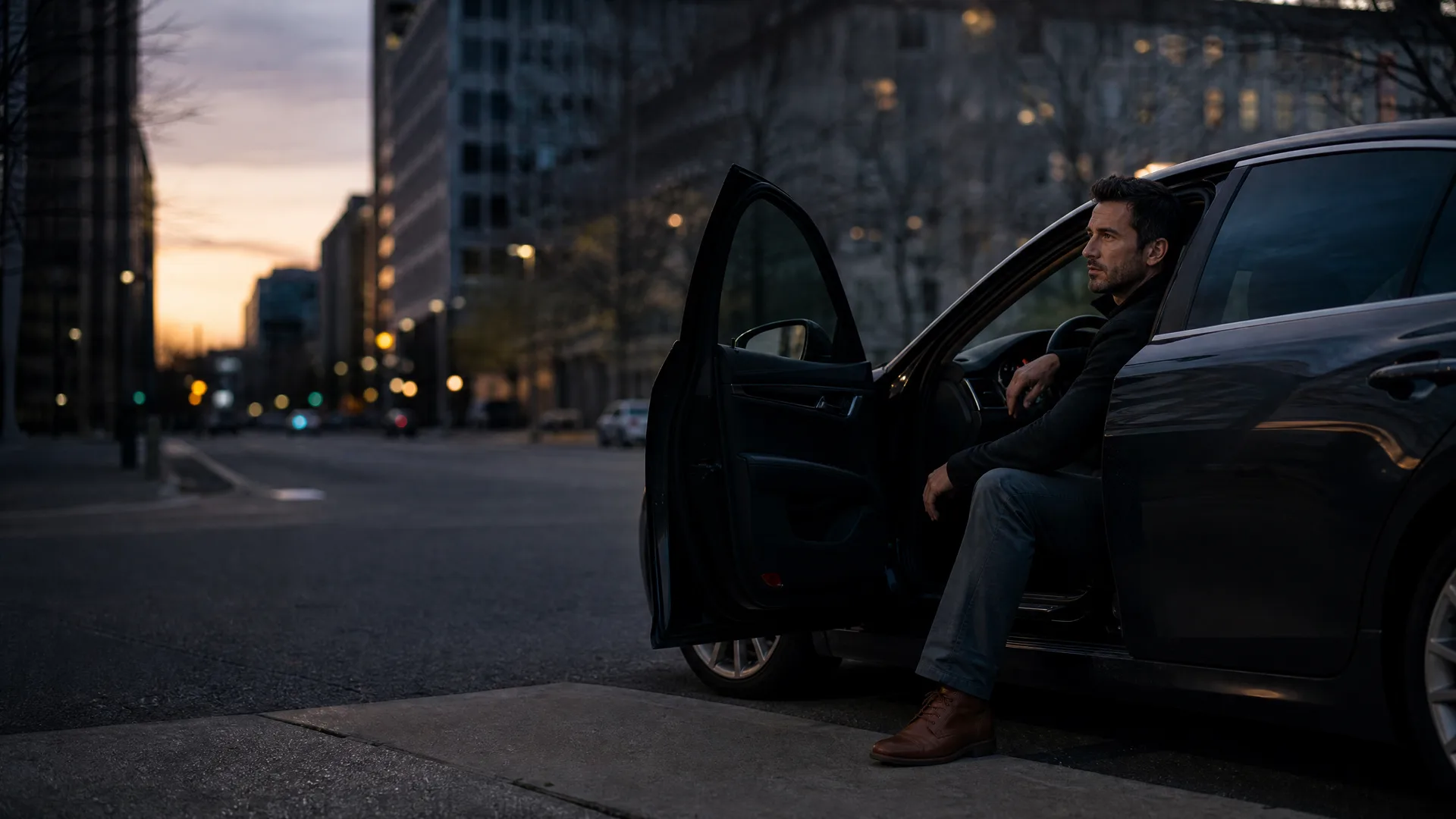
Non-owner SR-22 provides liability coverage when you drive someone else's vehicle with permission and satisfies Hawaii's financial responsibility filing requirement without listing a specific vehicle on the policy. The carrier files Form SR-22 with your county's driver licensing division — Hawaii administers driver licensing at the county level (Honolulu, Maui, Hawaii County, Kauai), not through a single statewide DMV. Your insurer must coordinate the SR-22 filing with the correct county office for your island of residence.
Hawaii requires $20,000 bodily injury per person, $40,000 per accident, and $10,000 property damage as minimum liability coverage. Non-owner SR-22 policies in Hawaii also include personal injury protection (PIP) because Hawaii is a no-fault state under HRS §431:10C. Non-owner SR-22 premiums in Hawaii typically run $85–$140/month, approximately 30–50% lower than owner SR-22 because there's no comprehensive or collision coverage and no specific vehicle. Estimates based on available industry data; individual rates vary by driving history, coverage selections, and location.
Non-owner SR-22 does NOT cover any vehicle you own. If you buy, are gifted, or otherwise acquire a vehicle during your filing period, you must convert to a standard owner SR-22 policy immediately or stack coverage. Driving an owned vehicle on a non-owner policy voids coverage and creates a lapse that triggers state action under Hawaii's electronic insurance verification system.
Which Carriers Write Non-Owner SR-22 in Hawaii
Three carriers confirmed to write non-owner SR-22 policies in Hawaii: Geico, Progressive, and USAA (military-affiliated only). Geico (NAIC 22063) and Progressive (NAIC 24260) both offer online quotes and same-day SR-22 filing; USAA (NAIC 25941) serves active-duty military, veterans, and eligible family members. All three carriers file electronically with the county licensing division on your behalf.
National General (NAIC 23728) writes SR-22 and after-DUI coverage in Hawaii but does not explicitly confirm non-owner product availability in all counties — contact directly to verify. State Farm (NAIC 25178) writes SR-22 in Hawaii but historically limits non-owner product availability; most Hawaii applicants report better availability through Geico or Progressive.
Carrier availability can vary by island. Neighbor island residents (Maui, Hawaii County, Kauai) occasionally face narrower carrier networks than Honolulu County applicants. If you contact a carrier and are told non-owner SR-22 is unavailable, try a second carrier before assuming the product doesn't exist in your county.


How Ignition Interlock Applies to Non-Owner SR-22 After DUI
Hawaii Revised Statutes §291E-41 mandates ignition interlock as a condition of any restricted license issued during a DUI suspension period. This requirement applies even to non-owner SR-22 policies. You cannot drive any vehicle — owned, borrowed, or rented — without an ignition interlock device installed if your suspension was DUI-related and you hold a restricted license.
If you do not own a vehicle, you have three options. First, install an IID on a vehicle you have regular access to (employer vehicle, family member's car) with written permission from the registered owner. Second, use a portable breath alcohol ignition interlock device (some Hawaii IID vendors offer portable units for non-vehicle-owners, though availability is limited). Third, delay applying for a restricted license until your full suspension period ends and you no longer need the IID condition.
Failure to comply with the IID condition while holding a restricted license and non-owner SR-22 policy results in immediate revocation of your restricted driving privileges. The county licensing division coordinates with the Hawaii Ignition Interlock Program to verify compliance. This is a statutory requirement under HRS Chapter 291E, not judicial discretion.
Filing Duration and County-Specific Processing
SR-22 filing duration in Hawaii varies by the underlying violation. DUI suspensions typically require 3 years of continuous SR-22 filing. Uninsured driving suspensions and some reckless driving cases require 1–2 years. Your county licensing division's notice of suspension specifies the required filing period — check the suspension order before purchasing coverage.
Hawaii's county-administered structure means processing times for SR-22 acceptance vary by island. Honolulu County processes most filings within 5–10 business days. Maui, Hawaii County, and Kauai counties report longer processing windows (10–15 business days) due to smaller licensing office staff. If you need reinstatement before a court date or employment deadline, initiate the SR-22 filing at least 3 weeks before your target date.
The carrier files electronically, but county licensing divisions verify the filing manually before updating your driving record. Contact your county licensing office 7–10 days after your insurer confirms filing to verify receipt. Do not assume the filing cleared until the county confirms it on your driving record.

Cover Your Filing Before You Own a Car Again
Get My Non-Owner SR-22 Quote
What Happens If You Acquire a Vehicle During the Filing Period
If you buy, inherit, or are gifted a vehicle while holding a non-owner SR-22 policy, you must convert to a standard owner SR-22 policy within 30 days. Driving an owned vehicle on a non-owner policy creates a coverage gap — the non-owner policy explicitly excludes vehicles titled to you or registered in your household.
Contact your carrier immediately when you acquire the vehicle. Most carriers (Geico, Progressive, USAA) allow mid-term policy conversion without restarting your filing period, but you must add the vehicle to the policy and pay the premium difference. Owner SR-22 premiums in Hawaii typically run $190–$310/month depending on the vehicle, approximately double the non-owner rate. The carrier files an updated SR-22 with your county licensing division showing the new vehicle.
If you delay conversion and the county licensing division discovers the coverage gap (Hawaii operates an electronic insurance verification system under HRS Chapter 431 that flags mismatches between vehicle registration and insurance records), your SR-22 filing is voided and your license is re-suspended. Reinstatement requires paying a new $30 base reinstatement fee, re-filing SR-22, and potentially facing additional penalties depending on how long the gap lasted.

Premium Factors Specific to Hawaii Non-Owner SR-22
Six factors drive Hawaii non-owner SR-22 premiums: violation type, age, county of residence, filing duration, PIP coverage limits, and carrier. DUI-related filings cost 40–60% more than uninsured-driver filings due to risk classification. Drivers under 25 pay approximately 25–35% more than drivers 25 and older. Honolulu County residents typically see the lowest premiums due to carrier competition; neighbor island premiums run 10–20% higher.
Hawaii's no-fault system requires PIP coverage on all auto policies, including non-owner SR-22. Minimum PIP is $10,000 per person; selecting higher limits ($15,000 or $25,000) adds $15–$30/month to your premium. Filing duration affects total cost but not monthly premium — a 3-year DUI filing costs the same per month as a 1-year filing, you simply pay it longer.
Carrier choice produces the widest premium variation. Geico and Progressive quote competitively for standard non-owner SR-22; USAA typically offers the lowest premiums for eligible military-affiliated applicants. National General quotes higher but accepts applicants with multiple violations or lapsed coverage history. Always quote at least two carriers before binding coverage.
How to Start Non-Owner SR-22 Coverage in Hawaii
Contact Geico, Progressive, or USAA (if eligible) directly and request a non-owner SR-22 quote. You will need your driver's license number, suspension notice from your county licensing division (specifying the required filing period), and the county office address where the SR-22 must be filed. Most carriers issue policies and file SR-22 same-day if you bind coverage online or by phone before 3 PM Hawaii time.
Verify the carrier files with the correct county. Hawaii County residents must file with Hawaii County's driver licensing office in Hilo; Maui County residents file with the Maui office in Wailuku; Kauai County residents file with the Kauai office in Lihue; Honolulu County residents file with the Honolulu office downtown. Filing with the wrong county delays processing by 2–4 weeks while the state reroutes the paperwork.
After the carrier confirms filing, wait 7–10 business days, then contact your county licensing division to verify the SR-22 appears on your driving record. Do not assume the filing cleared. Once the county confirms receipt, you can proceed with restricted license application (if eligible) or full reinstatement depending on your suspension status and whether you've completed all other requirements.
Frequently Asked Questions
Does non-owner SR-22 in Hawaii cover rental cars?
Yes, non-owner SR-22 liability coverage applies when you drive a rental car in Hawaii, but most rental agencies require you to purchase their collision damage waiver separately because non-owner policies do not include comprehensive or collision coverage. Verify your non-owner policy includes the state-required liability minimums ($20,000/$40,000/$10,000) before declining the rental agency's liability supplement.
Can I get non-owner SR-22 if I live on a neighbor island with limited carrier options?
Yes, Geico and Progressive both write non-owner SR-22 policies statewide and file electronically with all four county licensing divisions. USAA serves military-affiliated applicants on all islands. If a carrier initially declines due to limited underwriting capacity in your county, try a second carrier — availability varies by insurer and island, but at least one of the three typically writes in every county.
What happens if my non-owner SR-22 lapses in Hawaii?
Your insurance carrier notifies your county licensing division electronically within 24 hours of policy cancellation or non-payment. The county re-suspends your license immediately and you must pay a new $30 reinstatement fee, re-file SR-22, and restart the filing period from the date of the new policy. Hawaii's Motor Vehicle Safety Responsibility Act (HRS Chapter 287) treats SR-22 lapses as serious compliance failures.
Do I need ignition interlock on a non-owner SR-22 if my DUI was in another state?
If you hold a Hawaii driver's license and received a DUI in another state, Hawaii typically honors the out-of-state suspension and imposes its own IID requirement under HRS §291E-41 if you apply for a restricted license during the suspension period. Contact your county licensing division before purchasing non-owner SR-22 to confirm whether Hawaii's IID mandate applies to your out-of-state DUI.
How much does 3 years of non-owner SR-22 cost in Hawaii?
At typical monthly premiums of $85–$140, 3 years of non-owner SR-22 in Hawaii costs approximately $3,060–$5,040 total. This includes the insurance premium only; add the one-time $30 state reinstatement fee and any court-ordered fees separately. DUI-related filings typically fall on the higher end of this range; uninsured-driver filings fall on the lower end.
Can I switch carriers mid-filing without restarting my SR-22 period?
Yes, you can switch carriers during your SR-22 filing period without restarting the clock, but you must maintain continuous coverage with zero gap days between policies. The new carrier files an updated SR-22 with your county licensing division; the original carrier files an SR-26 cancellation notice. If any gap occurs between the cancellation date and the new policy effective date, the county re-suspends your license and you restart the filing period.
Related Articles

Hawaii Non-Owner SR-22 Cost by Cause & Island
5/19/2026

Hawaii Non-Owner SR-22 vs Owner: When Non-Owner Saves
5/19/2026

Non-Owner SR-22 in Hawaii: License Reinstatement Filing
5/19/2026
Non-Owner SR-22 in Hawaii With a Suspension: What Works
5/19/2026
Hawaii Non-Owner SR-22 by Cause: DUI, Uninsured, Suspension
5/19/2026
Hawaii Non-Owner to Owner SR-22 Conversion Guide
5/19/2026