
Delaware Non-Owner SR-22 Premium Range: What Carless Filers Pay
Get My Non-Owner SR-22 QuoteWhat Non-Owner SR-22 Coverage Costs in Delaware by Suspension Trigger
Delaware non-owner SR-22 premiums typically range from $40–$75 per month, depending on the violation that triggered your filing requirement. DUI suspensions push premiums toward the upper end of that range—most non-standard carriers quote $60–$75/month for DUI-related non-owner SR-22. Uninsured driving suspensions, by contrast, usually land in the $40–$55/month range because they signal lapse rather than impairment.
The premium covers Delaware's minimum liability requirements: $25,000 bodily injury per person, $50,000 per accident, and $10,000 property damage. Delaware also requires personal injury protection (PIP), which adds $8–$12/month to non-owner policies. The carrier files Form SR-22 with the Delaware DMV on your behalf—this is automatic, not a separate step you manage.
Non-owner SR-22 does not cover vehicles you own. It provides liability coverage when you drive someone else's vehicle with their permission. If you buy or are gifted a vehicle during your filing period, you must convert to an owner SR-22 policy immediately—the non-owner policy won't extend coverage to that vehicle, and driving it uninsured will trigger a new suspension.

How Delaware's Ignition Interlock Requirement Affects Non-Owner Filers
Delaware requires ignition interlock devices for most DUI reinstatements under 21 Del. C. § 2742A, and that requirement applies even to non-owner SR-22 policyholders. You cannot install an IID in a vehicle you don't own, which creates a procedural conflict: the DMV requires the device, but you have no vehicle to install it in.
Delaware resolves this through its Conditional License program. If you're eligible for a Conditional License while your suspension is active, you can drive vehicles equipped with an IID—typically an employer's vehicle or a family member's vehicle with the device installed at your expense. The non-owner SR-22 provides liability coverage for those trips. If you're not eligible for a Conditional License, you cannot legally drive during the suspension period even with non-owner SR-22 in force.
The IID requirement lasts 6 months for first-offense DUI, 12 months for second offense, and 24 months for third or subsequent offenses. Your non-owner SR-22 filing period runs concurrently with the IID period—most DUI filers in Delaware face 3 years of SR-22 filing measured from the conviction date. Estimates based on available industry data; individual rates vary by driving history, coverage selections, and location.


Which Carriers Write Non-Owner SR-22 Policies in Delaware
Geico, Progressive, The General, Dairyland, Direct Auto, and National General all write non-owner SR-22 policies in Delaware. Geico and Progressive typically offer the lowest premiums for uninsured-driving suspensions—$40–$55/month is common for clean-record filers with only the lapse violation. The General and Dairyland specialize in DUI and high-risk filers; their non-owner SR-22 quotes for DUI suspensions range from $60–$75/month.
State Farm writes SR-22 policies in Delaware but does not offer a non-owner product. USAA writes non-owner policies but does not file SR-22 forms in Delaware. If you're a USAA member, you'll need a separate non-standard carrier for the SR-22 filing.
Most carriers can file your SR-22 with the Delaware DMV within 24–48 hours of policy purchase. The DMV processes SR-22 filings electronically, so there's no manual paperwork delay. You'll receive a paper copy of the SR-22 certificate by mail, but the DMV receives the filing digitally the same day.

Cover Your Filing Before You Own a Car Again
Get My Non-Owner SR-22 QuoteHow Delaware's SR-22 Filing Period Interacts with Conditional License Eligibility
Delaware's Conditional License program allows most suspended drivers to apply for restricted driving privileges after serving a hard suspension period. DUI first offense carries a 3-month administrative suspension; you can apply for a Conditional License after serving 30 days. Points suspensions and uninsured-driving suspensions typically allow Conditional License applications immediately upon suspension.
The Conditional License requires proof of SR-22 filing before the DMV will approve your application. Non-owner SR-22 satisfies this requirement—you don't need to own a vehicle to apply for a Conditional License. The license restricts you to essential purposes: work, school, medical appointments, and other DMV-approved destinations.
Your SR-22 filing period continues after your full license is reinstated. Most DUI suspensions in Delaware require 3 years of continuous SR-22 filing. If your non-owner policy lapses at any point during that period, the carrier files an SR-26 cancellation notice with the DMV, and your license is re-suspended within 10 days. The new suspension lasts until you file a new SR-22 and pay the $25 reinstatement fee again.
What Happens If You Acquire a Vehicle While Your Non-Owner SR-22 Is Active
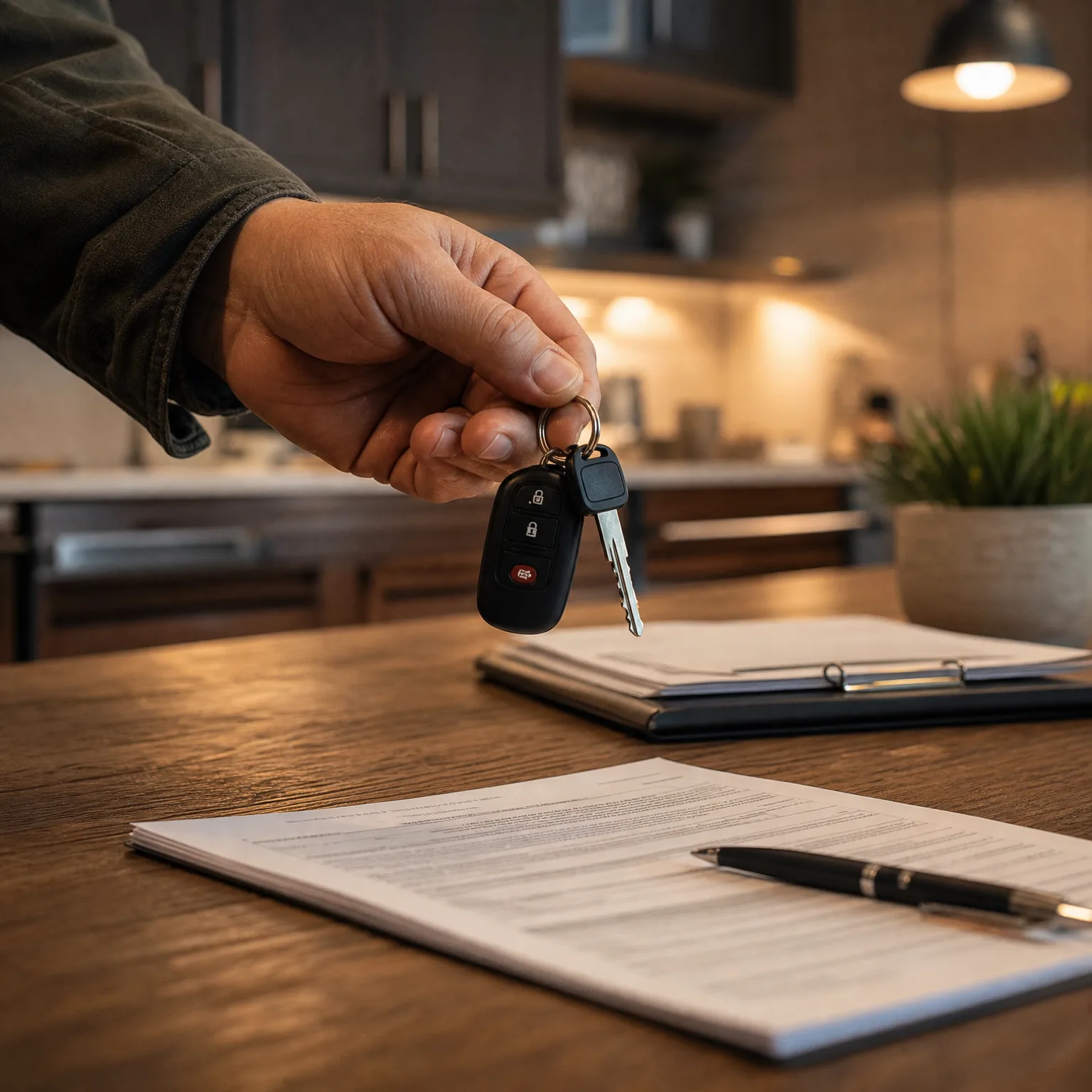
Non-owner SR-22 policies do not cover vehicles you own. If you buy, lease, inherit, or are gifted a vehicle during your filing period, you must convert to an owner SR-22 policy within 24–48 hours. Driving the newly acquired vehicle under your non-owner policy is uninsured operation—Delaware treats this as a new violation triggering immediate suspension.
Call your carrier the day you acquire the vehicle. Most non-standard carriers can convert your non-owner policy to an owner policy same-day, but the premium will increase—typically by $80–$150/month for liability-only owner SR-22, depending on the vehicle's value and your violation history. The carrier will file a new SR-22 reflecting the updated policy. The filing period clock does not reset; your original 3-year SR-22 requirement continues from the conviction date.
If you're financing the vehicle, the lender will require comprehensive and collision coverage, which adds another $60–$120/month to your premium. This often pushes total monthly costs into the $200–$300 range for DUI filers. Many suspended drivers delay vehicle purchases until after the SR-22 filing period ends specifically to avoid this cost spike.
How to Compare Non-Owner SR-22 Quotes Without Overpaying
Request quotes from at least three non-standard carriers. Geico and Progressive typically offer the lowest premiums for uninsured-driving suspensions, but they may decline DUI filers or quote premiums above $75/month. Dairyland and The General specialize in DUI non-owner SR-22 and often quote $10–$20/month lower than Progressive for the same coverage.
Verify each quote includes Delaware's mandatory PIP coverage. Some carriers quote base liability premiums without PIP, then add the $8–$12/month PIP charge at checkout. The all-in monthly premium is what you'll actually pay.
Avoid paying the full 6-month or 12-month premium upfront. Most non-owner SR-22 policies allow monthly payment plans with a $5–$8 installment fee. Paying monthly preserves cash flow and lets you cancel without losing prepaid premium if you acquire a vehicle and need to convert to an owner policy mid-term. Find affordable SR-22 filing options that fit your budget and meet Delaware DMV requirements.
Frequently Asked Questions
Can I get a Delaware Conditional License with only non-owner SR-22 coverage?
Yes. Delaware's Conditional License program accepts non-owner SR-22 as proof of financial responsibility—you don't need to own a vehicle to apply. The license restricts you to essential purposes like work, school, and medical appointments. You'll still need an ignition interlock device installed in any vehicle you drive if your suspension was DUI-related, even if you don't own the vehicle.
What is the cheapest non-owner SR-22 insurance in Delaware?
Geico and Progressive typically offer the lowest non-owner SR-22 premiums in Delaware for uninsured-driving suspensions—$40–$55/month is common. Dairyland and The General often quote lower than Progressive for DUI-related non-owner SR-22, usually $60–$70/month. Quotes vary by age, driving history, and county, so compare at least three carriers.
Does Delaware non-owner SR-22 cover me if I borrow a car?
Yes. Non-owner SR-22 provides liability coverage when you drive someone else's vehicle with their permission. It does not cover vehicles you own, lease, or regularly use. If you buy or are gifted a vehicle during your filing period, you must convert to an owner SR-22 policy immediately or your coverage won't apply.
How long does Delaware require SR-22 filing after a DUI?
Delaware requires 3 years of continuous SR-22 filing after a DUI conviction, measured from the conviction date. If your non-owner SR-22 policy lapses at any point during that period, the Delaware DMV re-suspends your license within 10 days. You'll need to file a new SR-22 and pay the $25 reinstatement fee to restore your license.
Can I cancel my Delaware non-owner SR-22 policy if I move out of state?
No. Your Delaware SR-22 filing requirement follows you to your new state. You must maintain continuous SR-22 coverage for the full 3-year period regardless of where you live. Most carriers can transfer your non-owner SR-22 policy to your new state, but premiums may change based on the new state's minimum liability requirements.
What happens if my non-owner SR-22 policy lapses in Delaware?
The carrier files an SR-26 cancellation notice with the Delaware DMV. The DMV re-suspends your license within 10 days. You'll need to purchase a new non-owner SR-22 policy, have the carrier file a new SR-22, and pay the $25 reinstatement fee. The lapse also restarts your 3-year filing period in some cases—verify with the DMV.
Related Articles

Non-Owner SR-22 Premium Range in Delaware
5/19/2026

Delaware Non-Owner SR-22: Cost, Carriers, Filing Path
5/19/2026

Non-Owner SR-22 in Delaware After Reckless Driving
5/19/2026

Delaware Non-Owner SR-22 vs Owner SR-22 Filing Cost
5/19/2026

Delaware Non-Owner SR-22 by Cause: DUI vs Uninsured
5/19/2026

Non-Owner SR-22 Costs in Maryland by Violation Type
5/19/2026