
CT Non-Owner SR-22 to Owner Conversion When You Buy a Car
Get My Non-Owner SR-22 QuoteWhat Happens to Your Non-Owner SR-22 When You Register a Vehicle in Connecticut
Connecticut DMV's electronic insurance verification system flags vehicle ownership changes immediately. When you register a car in your name, the system expects continuous liability coverage tied to that specific vehicle. Your existing non-owner SR-22 policy does not satisfy this requirement because it covers you only when driving someone else's vehicle with permission.
Most non-owner policies contain exclusion language that terminates coverage the moment you register a vehicle as owner or lessee. This termination is automatic—no warning letter, no grace period. The carrier files an SR-26 cancellation notice with Connecticut DMV within 10 days of learning about the vehicle registration, triggering a new suspension notice unless you've already secured replacement coverage.
Connecticut General Statutes § 14-213b requires continuous insurance for any registered vehicle. The gap between your non-owner policy termination and your new owner policy effective date is the compliance failure that restarts your suspension clock.

How to Convert Non-Owner SR-22 to Owner SR-22 Without Creating a Coverage Gap
Contact your current non-owner SR-22 carrier before you register the vehicle. Explain that you're acquiring a car and need to convert to an owner policy with SR-22 endorsement effective the same day the vehicle registration becomes active. Request the conversion effective date in writing—this is your proof of continuous coverage if Connecticut DMV later flags a gap.
If your current carrier does not write owner SR-22 policies in Connecticut, obtain quotes from carriers that do. Geico, Progressive, Bristol West, Dairyland, National General, and The General all write owner SR-22 in Connecticut per current state filings. Bind the new policy with an effective date that matches or precedes your vehicle registration date. Confirm the carrier will file Form SR-22 with Connecticut DMV immediately—most carriers file electronically within 24 hours, but paper filings can take 7-10 business days.
Do not cancel your non-owner policy until you receive written confirmation that the new owner policy SR-22 filing has been accepted by Connecticut DMV. The SR-22 filing requirement continues for the full 3-year period from your original conviction or suspension date, regardless of how many times you switch carriers or policy types.


What Owner SR-22 Costs Compared to Non-Owner SR-22 in Connecticut
Non-owner SR-22 premiums in Connecticut typically range from $45 to $85 per month for drivers with DUI or uninsured motorist suspensions. Owner SR-22 premiums for the same driver profile range from $140 to $280 per month, depending on the vehicle's year, make, and comprehensive/collision coverage elections.
The premium increase reflects the addition of vehicle-specific coverages. Connecticut requires minimum liability of 25/50/25: $25,000 bodily injury per person, $50,000 bodily injury per accident, $25,000 property damage. Owner policies add collision and comprehensive options that non-owner policies never include. Lienholders typically require full coverage if you finance the vehicle, which pushes premiums into the upper range.
The SR-22 filing fee itself remains constant: $25-$50 depending on carrier, paid once per policy term. Connecticut DMV does not charge a separate SR-22 processing fee. Estimates based on available industry data; individual rates vary by driving history, vehicle, coverage selections, and location.

Cover Your Filing Before You Own a Car Again
Get My Non-Owner SR-22 QuoteConnecticut's 3-Year SR-22 Filing Period and Mid-Period Vehicle Changes
Connecticut requires SR-22 filing for 3 years from the date of conviction for DUI offenses under CGS § 14-227b and from the date of suspension for uninsured motorist violations under CGS § 14-213b. The 3-year clock does not reset when you switch from non-owner to owner coverage—the filing period continues without interruption as long as there is no lapse in coverage.
If you allow a coverage gap of more than 30 days, Connecticut DMV issues a new suspension notice and the 3-year filing period restarts from the date you cure the lapse. This restart applies even if the original suspension was fully reinstated and you were legally driving on a non-owner policy at the time of the lapse.
You may switch carriers or policy types as many times as needed during the 3-year filing period without penalty, provided each transition is seamless: the new policy effective date must be the same day or earlier than the old policy cancellation date. Connecticut DMV's electronic verification system flags gaps in real time, not at month-end.

What Happens If You Register the Vehicle Before Securing Owner SR-22 Coverage
Connecticut DMV's electronic insurance verification system cross-references vehicle registrations against active insurance policies continuously. When you register a vehicle in your name without corresponding owner liability coverage, the system flags the registration as uninsured within 24-48 hours.
Connecticut DMV sends a suspension notice to your address on file, typically within 10 business days of the uninsured vehicle flag. The notice states you have 30 days to provide proof of insurance or surrender the vehicle registration and license plates. Failure to respond within 30 days triggers automatic registration suspension and a new driver's license suspension if you were previously reinstated.
If your non-owner SR-22 policy terminated automatically due to the vehicle registration and you failed to secure replacement owner coverage, Connecticut DMV treats this as an SR-22 lapse. The original 3-year filing period restarts from the date you cure the lapse. The reinstatement fee is $175 per CGS § 14-37, paid in addition to proof of new owner SR-22 coverage and any outstanding registration fees.
How to Handle Gifted, Inherited, or Temporarily Borrowed Vehicles During SR-22 Filing
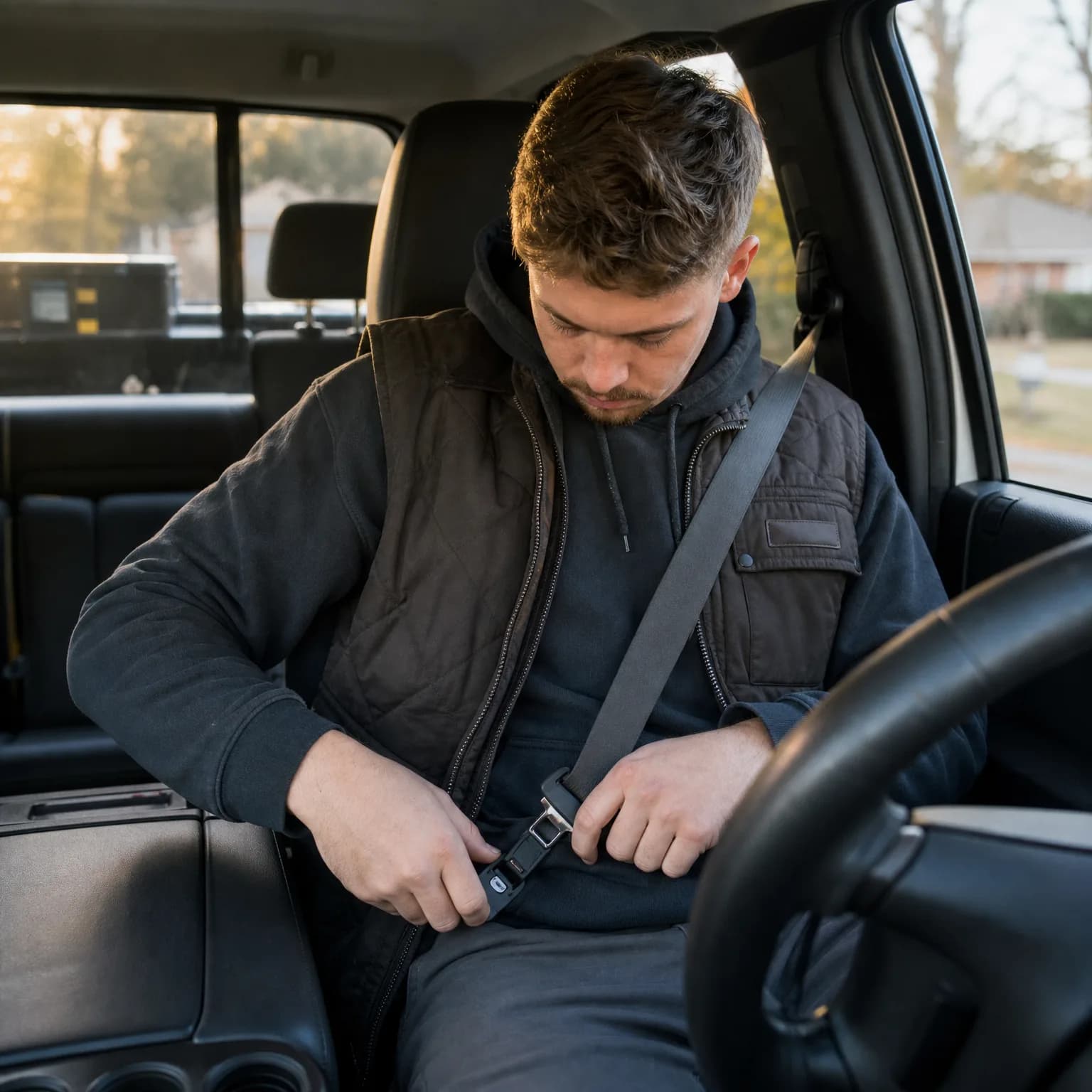
If a family member gifts you a vehicle or you inherit one during your 3-year SR-22 filing period, you must register the vehicle in your name to legally drive it in Connecticut. Registration triggers the same owner SR-22 conversion requirement described above: your non-owner policy will terminate and you need replacement owner coverage with SR-22 endorsement.
If you are temporarily borrowing a vehicle owned and registered by someone else—parents, spouse, roommate—your non-owner SR-22 policy continues to cover you when you drive that vehicle with the owner's permission. You do not need to add yourself to the owner's policy or convert to owner SR-22, provided the vehicle remains registered in the other person's name. However, if you are listed as a household member on the owner's policy, some carriers require you to be added as a rated driver, which may increase the owner's premium.
Connecticut does not permit registration of a vehicle in someone else's name while you are the primary driver and SR-22 filer. Registering a vehicle in a family member's name to avoid the owner SR-22 premium increase is insurance fraud under CGS § 53a-119, punishable by fines and potential license revocation.
Frequently Asked Questions
Can I keep my non-owner SR-22 policy and just add the vehicle to it?
No. Non-owner SR-22 policies exclude coverage for vehicles you own or register in your name. Adding a vehicle to a non-owner policy is not permitted by carriers. You must convert to an owner SR-22 policy with the vehicle listed as a covered auto.
Will Connecticut DMV notify me if my non-owner SR-22 cancels when I register a vehicle?
No. Connecticut DMV's electronic verification system flags the coverage gap and sends a suspension notice 10 business days later, but there is no advance warning. Your carrier may send a cancellation notice, but many drivers do not receive it until after the lapse has already been reported to the state.
Does the 3-year SR-22 filing period restart when I switch from non-owner to owner coverage?
No, provided there is no coverage gap. The 3-year filing period continues from the original conviction or suspension date. Switching carriers or policy types does not restart the clock as long as the new policy effective date is the same day or earlier than the old policy cancellation date.
What if I buy a car but don't plan to drive it right away—do I still need owner SR-22?
If you register the vehicle in your name, Connecticut DMV requires continuous liability coverage for that vehicle regardless of whether you drive it. Registering the vehicle triggers the owner SR-22 requirement. If you do not register the vehicle, your non-owner SR-22 continues unaffected.
Can I register the vehicle in someone else's name to avoid the owner SR-22 premium increase?
No. Registering a vehicle in another person's name while you are the primary driver and SR-22 filer is insurance fraud under Connecticut General Statutes § 53a-119. Connecticut DMV and carriers cross-reference household members and vehicle usage patterns, and fraudulent registration can result in license revocation and criminal charges.
How do I prove continuous coverage to Connecticut DMV if my carrier delayed filing the new SR-22?
Request a written conversion confirmation letter from your carrier showing the new owner policy effective date and SR-22 filing date. If Connecticut DMV sends a suspension notice alleging a gap, submit the letter along with declarations pages for both the old non-owner policy and the new owner policy showing overlapping or consecutive effective dates.
Related Articles

DE Non-Owner to Owner SR-22 Conversion After Buying Car
5/19/2026

Non-Owner to Owner SR-22 Conversion After Buying a Car
5/19/2026

Vermont Non-Owner to Owner SR-22 Conversion Guide
5/19/2026

CT Non-Owner SR-22: Filing Path, Premium & Carriers
5/19/2026
MA Non-Owner SR-22 to Owner Conversion Steps
5/19/2026

NJ Non-Owner to Owner SR-22 Conversion After Buying a Car
5/19/2026