
Colorado Non-Owner SR-22 Premium Range: What Carless Filers Pay
Get My Non-Owner SR-22 QuoteWhat Non-Owner SR-22 Actually Covers in Colorado
Non-owner SR-22 is liability-only insurance for drivers who don't own a vehicle but need to satisfy Colorado DMV filing requirements. It covers bodily injury and property damage when you drive someone else's car with permission—meeting Colorado's $25,000/$50,000/$15,000 minimum liability structure.
The policy does not cover any vehicle you own, lease, or regularly use. If you buy or are gifted a car during the three-year filing period, you must convert to a standard owner policy immediately or your coverage won't respond to a claim. Most Colorado carriers allow same-day conversion without penalty.
The carrier files Form SR-22 electronically with the Colorado DMV on your behalf within 24-48 hours of policy activation. The filing stays active as long as premiums are paid. If the policy lapses for nonpayment, the carrier notifies DMV within 10 days and your license is re-suspended automatically.
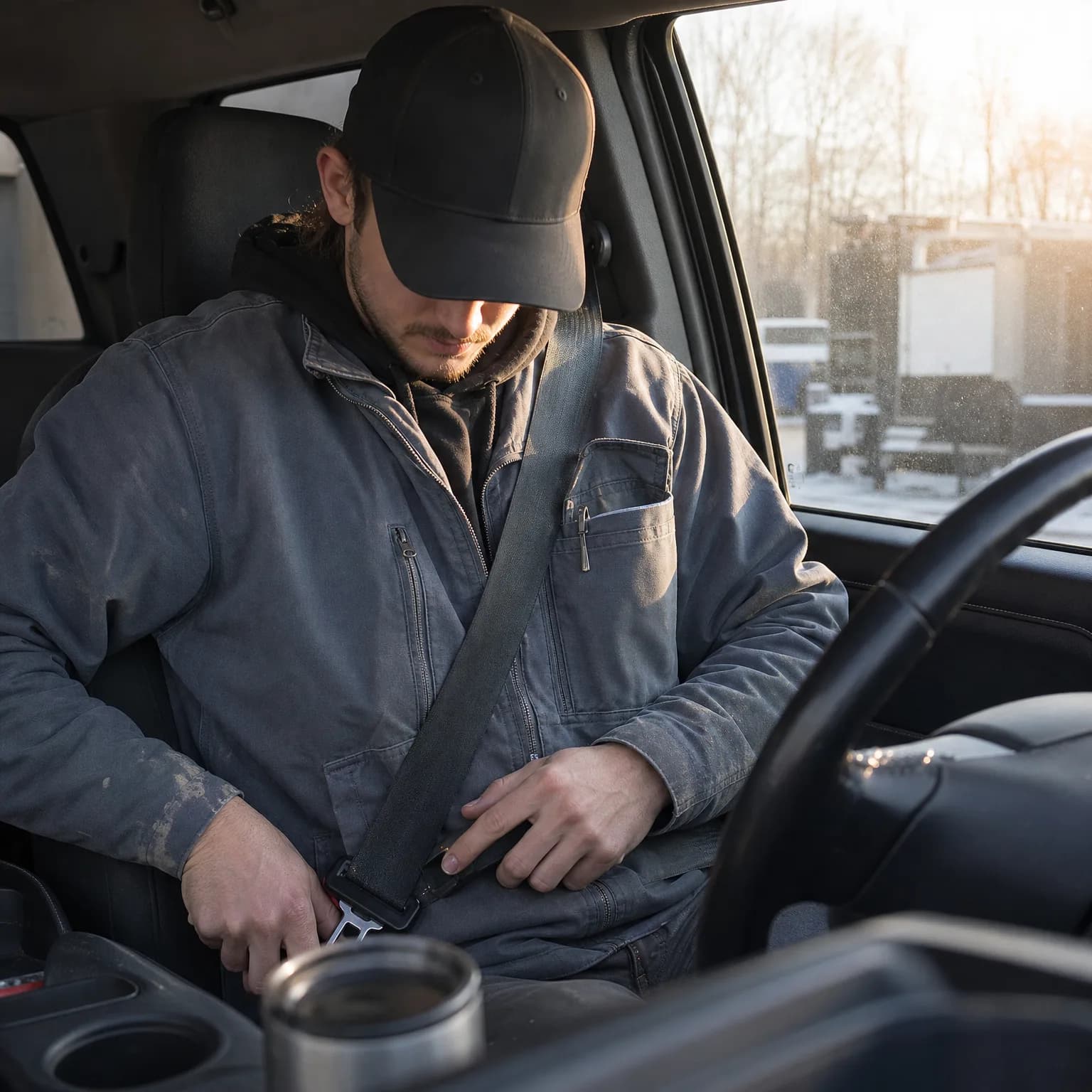
Monthly Premium Range for Colorado Non-Owner SR-22 by Trigger
DUI-triggered non-owner SR-22 in Colorado typically runs $85-$140 per month through non-standard carriers like Dairyland, The General, or Progressive's non-standard tier. First-offense DUI filers with no prior violations see rates near the lower end. Second-offense or BAC-refusal cases push toward the upper range.
Uninsured driving suspensions carry slightly lower premiums—approximately $75-$120 per month—because the underlying risk profile is less severe. Carriers weight DUI more heavily than lapse violations when setting rates.
Point-accumulation suspensions fall in between at $80-$130 per month, depending on the specific violations that triggered the suspension. Reckless driving or hit-and-run convictions price closer to DUI levels. Speeding-only suspensions price closer to uninsured levels.
Estimates based on available industry data; individual rates vary by age, ZIP code, driving history beyond the triggering event, and carrier underwriting rules. All figures reflect monthly premiums for Colorado's minimum liability limits with no additional coverage.


Why Non-Owner Costs 30-60% Less Than Standard Owner SR-22
Non-owner policies eliminate comprehensive and collision coverage entirely because there's no specific vehicle to insure. You're paying only for liability exposure when driving borrowed vehicles occasionally—not daily commute risk tied to a specific car.
Carriers also reduce underwriting complexity. They don't evaluate vehicle age, theft rates for your model, or collision repair costs. The premium reflects only your personal risk profile and Colorado's liability minimum requirements.
Most non-owner SR-22 carriers in Colorado write policies with no down payment or offer 20-30% down options. Standard owner SR-22 policies often require 40-50% down because the total annual premium is higher. Lower absolute cost translates to lower cash-to-start for carless filers.
Colorado Filing Duration and Total Three-Year Cost
Colorado requires SR-22 filing for three years after DUI convictions, measured from the conviction date, not the filing date. Uninsured driving suspensions also trigger three-year filing periods in most cases. Filing requirements for point-accumulation suspensions vary by county and specific violation—some require one year, others three.
Total three-year cost for non-owner SR-22 ranges from approximately $3,060 to $5,040 at monthly rates of $85-$140. This includes premiums only. Colorado charges a one-time $95 reinstatement fee separate from insurance costs, plus a $15-$25 SR-22 filing fee collected by the carrier at policy inception.
If you acquire a vehicle during the filing period, your premiums will increase immediately upon conversion to a standard owner policy. Expect monthly premiums to rise to $180-$320 per month for full-coverage owner SR-22, depending on the vehicle's value and your deductible selections. The three-year filing clock does not reset when you convert—only when the policy lapses and DMV re-suspends your license.
Cover Your Filing Before You Own a Car Again
Get My Non-Owner SR-22 Quote
Carriers Writing Non-Owner SR-22 in Colorado
Dairyland, The General, Progressive, GEICO, and National General all write non-owner SR-22 policies in Colorado. Dairyland and The General specialize in high-risk drivers and process filings within 24 hours of application approval. Progressive offers non-owner SR-22 through both standard and non-standard tiers—DUI filers route to the non-standard division automatically.
State Farm writes non-owner policies in Colorado but does not publicly advertise SR-22 filing for DUI triggers. USAA writes non-owner SR-22 for eligible military members and their families at rates 15-25% below non-standard carrier averages.
Bristol West operates in Colorado but routes most non-owner SR-22 applicants to sister companies within the Farmers Insurance Group. Expect quotes from Bristol West to reflect Farmers underwriting guidelines and pricing.
All carriers listed file electronically with Colorado DMV. Paper filings are no longer accepted for new policies as of 2023, though some carriers still mail confirmation copies to policyholders for record-keeping.

What Happens If You Get a Car Mid-Filing
Colorado law does not prohibit driving an owned vehicle on a non-owner policy, but the policy explicitly excludes coverage for any vehicle you own. If you're in an at-fault accident while driving your own car under a non-owner policy, the carrier will deny the claim and you'll be personally liable for all damages.
You must notify your carrier within 30 days of acquiring a vehicle and convert to a standard owner policy. Most carriers allow same-day conversion with no lapse in SR-22 filing status. The new policy premium reflects the vehicle's make, model, year, and your selected coverage limits.
If you delay conversion and the carrier discovers the vehicle through routine DMV checks or a claim investigation, they will cancel your policy retroactively to the vehicle acquisition date. Colorado DMV will receive a cancellation notice and re-suspend your license immediately. You'll pay the $95 reinstatement fee again and restart the SR-22 filing requirement from day one.
How to File Non-Owner SR-22 Without a Car in Colorado
Request quotes from at least three carriers. Provide your driver's license number, the triggering violation details, and your conviction or suspension order date. Carriers pull your Colorado driving record automatically during underwriting—discrepancies between your application and DMV records will delay approval.
Select minimum liability limits ($25,000/$50,000/$15,000) unless your reinstatement order specifies higher limits. Some Colorado hardship license programs require increased liability coverage as a condition of early reinstatement. Verify your specific requirement with Colorado DMV or your attorney before binding coverage.
Pay the first month's premium and any carrier filing fee. The carrier files Form SR-22 electronically within 24-48 hours. Colorado DMV processes the filing within 5-7 business days. You can verify filing status through Colorado's myDMV online portal at mydmv.colorado.gov.
Do not drive until you receive written confirmation from DMV that your license has been reinstated or your restricted license has been issued. Driving on a suspended license while SR-22 is pending adds new violations and extends your total suspension period.
Frequently Asked Questions
Can I get non-owner SR-22 immediately after a DUI conviction in Colorado?
Yes. Colorado does not impose a waiting period between conviction and SR-22 filing eligibility. You can apply for non-owner SR-22 the same day your conviction is entered or your administrative suspension takes effect. Most non-standard carriers approve applications within 24-48 hours and file electronically with Colorado DMV immediately upon payment.
Does non-owner SR-22 cover me when I rent a car in Colorado?
Non-owner SR-22 provides liability coverage when you drive a rental car, but it does not cover damage to the rental vehicle itself. Rental agencies offer collision damage waivers separately. Your non-owner policy satisfies Colorado's proof-of-insurance requirement at rental counters, but you'll still need to decide whether to purchase the rental company's physical damage coverage.
What happens if I move out of Colorado during my SR-22 filing period?
Colorado's three-year SR-22 requirement follows you to your new state. You must obtain SR-22 coverage in the new state and notify Colorado DMV of your address change. Most states honor out-of-state SR-22 filings, but a few require in-state carrier filings. Contact your new state's DMV within 30 days of relocation to confirm their specific requirements.
How much does it cost to reinstate my Colorado license after SR-22 filing?
Can I cancel non-owner SR-22 early if I don't plan to drive?
No. Canceling your non-owner SR-22 policy before the three-year filing period ends triggers automatic license re-suspension by Colorado DMV. The filing requirement is tied to your reinstatement eligibility, not your actual driving activity. You must maintain continuous coverage for the full three years even if you never drive during that period.
Will my non-owner SR-22 rates go down after the first year?
Possibly. Some carriers reduce premiums by 10-15% at each annual renewal if you maintain continuous coverage with no new violations. DUI surcharges typically remain in effect for three years from the conviction date, but point-accumulation surcharges may decrease faster. Request renewal quotes from multiple carriers each year to compare rates—loyalty does not guarantee the best price.
Related Articles

Colorado Non-Owner SR-22 vs Owner SR-22 Cost Comparison
5/19/2026

Colorado Non-Owner SR-22: Cost, Carriers, Filing Path
5/19/2026

Non-Owner SR-22 in Colorado After Suspension
5/19/2026
Non-Owner SR-22 Eligibility in Colorado: Who Qualifies
5/19/2026

Nevada Non-Owner SR-22: Cost, Carriers, Filing Speed
5/19/2026

Non-Owner SR-22 After Colorado Suspension
5/29/2026