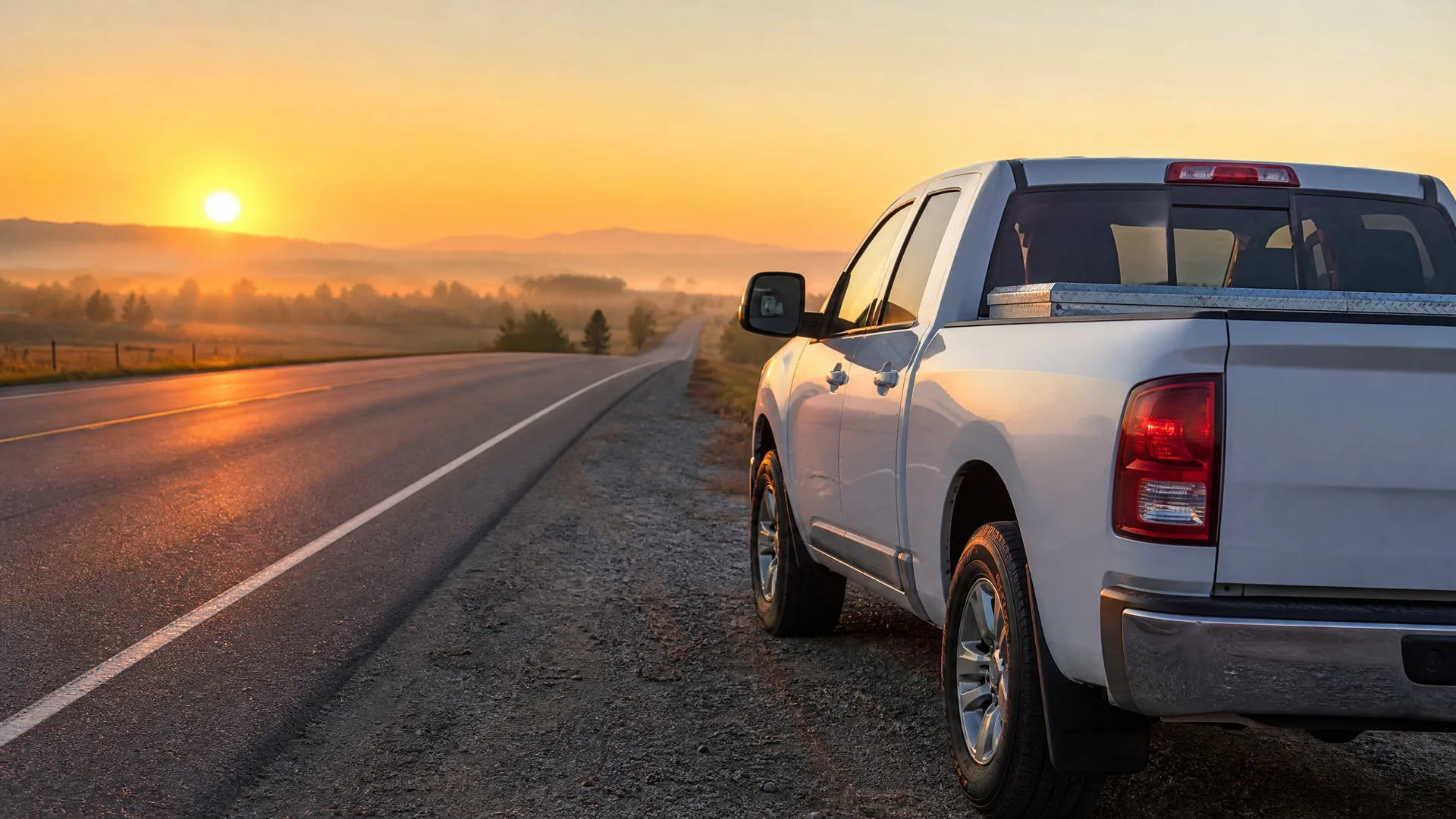
California Non-Owner SR-22 vs Owner SR-22: Cost Differences
Get My Non-Owner SR-22 QuoteWhat Non-Owner SR-22 Actually Covers in California
Non-owner SR-22 provides liability coverage when you drive a borrowed vehicle with the owner's permission. The policy satisfies California's SR-22 filing requirement for three years after a DUI suspension or uninsured driving conviction without attaching to a specific vehicle you own.
California requires $15,000 property damage and $30,000/$60,000 bodily injury minimums. Non-owner policies meet these limits and file Form SR-22 with the DMV electronically within 24 hours of purchase. The filing confirms continuous coverage to the state without requiring proof of vehicle ownership.
Non-owner SR-22 does not cover comprehensive or collision damage to any vehicle. It does not cover vehicles you own, lease, or are titled to. If you borrow a friend's car and cause an accident, the policy pays third-party liability claims up to your policy limits. Your friend's insurance remains primary and your non-owner policy acts as secondary coverage.
Monthly Premium Comparison for Three-Year Filing Period
Non-owner SR-22 premiums in California typically range from $40–$85/month depending on age, county, and underlying violation. Owner SR-22 premiums for the same driver with a 2015 sedan average $110–$200/month when comprehensive and collision are added.
Over California's required three-year SR-22 filing period, non-owner coverage costs approximately $1,440–$3,060 total. Owner coverage costs $3,960–$7,200 total for the same period. The savings come from eliminating vehicle-specific risk: no comprehensive theft coverage, no collision damage coverage, no uninsured motorist property damage.
Estimates based on available industry data; individual rates vary by driving history, coverage selections, and location. Carriers adjust pricing quarterly based on claims experience, so premium ranges shift throughout the filing period.
The Vehicle Acquisition Problem During Filing Period
California SR-22 filing must remain active and continuous for three years from your reinstatement date. If you buy, inherit, or are gifted a vehicle during that period, your non-owner policy no longer covers you as the vehicle's driver.
Non-owner policies exclude vehicles available for regular use by the named insured. The moment you take title to a car, motorcycle, or truck, your non-owner SR-22 stops covering that vehicle. You must convert to an owner policy and file a new SR-22 within 30 days to avoid DMV suspension.
Most lenders require comprehensive and collision coverage before approving an auto loan. Non-owner SR-22 provides neither. If you plan to finance a vehicle within the three-year filing window, you cannot use non-owner coverage. You must start with owner SR-22 from day one, even if you don't own a car yet, to preserve the option.
When Non-Owner SR-22 Makes Financial Sense
Non-owner SR-22 works best when you have no vehicle, no immediate plan to buy one, and regular access to borrowed cars for work or family obligations. Urban drivers in Los Angeles, San Francisco, or Sacramento who rely on rideshare, public transit, or employer vehicles fit this profile.
If your car was impounded after a DUI arrest and you cannot afford to reclaim it, non-owner SR-22 lets you satisfy the three-year filing requirement without the cost of insuring a vehicle you no longer have. You maintain legal driving privileges for borrowed vehicles while avoiding $110–$200/month owner premiums.
Non-owner SR-22 also suits drivers whose license was suspended for uninsured driving violations under California Vehicle Code 16070. The suspension stays active until you file SR-22 and pay the $55 DMV reissue fee. If you sold your vehicle during the suspension and no longer need to own one, non-owner coverage satisfies the filing requirement at the lowest monthly cost.

Cover Your Filing Before You Own a Car Again
Get My Non-Owner SR-22 Quote
Why Owner SR-22 Costs More and What It Covers
Owner SR-22 premiums reflect the carrier's exposure to physical damage claims on your specific vehicle. Comprehensive coverage pays for theft, vandalism, fire, and weather damage. Collision coverage pays for crash damage regardless of fault. These coverages cost $50–$120/month above liability-only premiums.
Owner SR-22 attaches to a titled vehicle and covers you and any permissive drivers operating that vehicle. The policy provides primary liability coverage when you drive your own car and secondary coverage when you drive someone else's car with permission. This dual coverage structure explains the higher monthly cost.
If you plan to buy a car within the three-year filing period, owner SR-22 avoids the conversion problem. You maintain continuous SR-22 filing on the same policy by adding the newly acquired vehicle as a covered auto. No new filing, no lapse risk, no DMV suspension trigger.
How to Convert From Non-Owner to Owner SR-22 Mid-Filing
Call your carrier immediately after taking title to any vehicle. Most California carriers allow same-day conversion from non-owner to owner SR-22 if you provide the VIN, title date, and vehicle details by phone. The carrier files an updated SR-22 with the DMV reflecting the new policy structure.
Do not drive the newly acquired vehicle until the owner policy is active and the new SR-22 is filed. California law treats driving without active coverage as a separate violation that triggers additional suspension under Vehicle Code 16070. The DMV does not accept retroactive SR-22 filings.
Conversion premiums jump to owner SR-22 rates immediately. Expect your monthly cost to increase from $40–$85/month to $110–$200/month depending on the vehicle's year, make, and coverage selections. Carriers require comprehensive and collision on financed vehicles, so factor that into your budget before committing to a loan.
Which California Carriers Write Both Policy Types
Non-owner SR-22 insurance is available from most non-standard carriers operating in California. Progressive, Geico, The General, Bristol West, and Dairyland all write non-owner policies and file SR-22 electronically with the DMV. Owner SR-22 is available from the same carriers plus standard-tier options like State Farm and Farmers if your driving record qualifies.
Carriers price non-owner and owner SR-22 separately. Shopping both policy types with the same carrier often produces better conversion terms mid-filing. If you start with Geico non-owner SR-22 and later buy a car, Geico can convert your policy and maintain continuous SR-22 filing under one account.
Some carriers restrict non-owner SR-22 to drivers over 25 or drivers without prior DUI convictions. Bristol West and The General accept higher-risk profiles and write non-owner policies for first-offense DUI filers as young as 21. Compare quotes from at least three carriers before committing to a three-year filing obligation.
Frequently Asked Questions
Can I switch from owner SR-22 to non-owner SR-22 if I sell my car during the filing period?
Yes. Call your carrier the day you transfer title and request conversion to non-owner SR-22. The carrier files an updated SR-22 with the DMV reflecting the policy change, and your monthly premium drops to non-owner rates. The three-year filing period continues uninterrupted as long as coverage remains active.
Does non-owner SR-22 cover me when I rent a car in California?
Yes, but only for liability coverage up to your policy limits. Non-owner SR-22 does not cover physical damage to the rental vehicle itself. Most rental companies require you to purchase their collision damage waiver separately, or you must use a credit card that includes rental car coverage.
What happens if my non-owner SR-22 lapses during the three-year filing period?
The carrier notifies the California DMV electronically within 24 hours of cancellation. The DMV suspends your license immediately and requires you to purchase new coverage, file a new SR-22, pay the $55 reissue fee, and restart the three-year filing clock from the new reinstatement date.
Can I add a vehicle to my non-owner SR-22 policy instead of converting to owner SR-22?
No. Non-owner policies explicitly exclude vehicles owned, leased, or titled to the named insured. You must convert to owner SR-22 and file an updated Form SR-22 with the DMV before driving any vehicle you own.
Does non-owner SR-22 satisfy California's ignition interlock device requirement after DUI?
No. California requires IID installation for DUI-related restricted licenses regardless of whether you hold owner or non-owner SR-22 coverage. The SR-22 filing satisfies the insurance requirement; the IID satisfies a separate safety compliance requirement under Vehicle Code 13353.7.
How much does it cost to file SR-22 in California on top of the insurance premium?
Most carriers charge a one-time SR-22 filing fee of $25–$50 when you purchase the policy. This fee covers the electronic filing with the DMV and is separate from your monthly premium. Some carriers waive the filing fee if you purchase a six-month policy upfront.
Related Articles
CA Non-Owner SR-22 Cost: $40–$85/Mo for Carless Filers
5/19/2026
CA Non-Owner SR-22 After DUI: Cost & Filing Period
5/19/2026

File Non-Owner SR-22 in California Without a Vehicle
5/19/2026
CA Non-Owner SR-22 Application Without a Vehicle
5/19/2026
CA Non-Owner SR-22 for Suspended License | No Car Required
5/19/2026
CA Non-Owner SR-22: Which Carriers File for Suspended Drivers
5/19/2026