
Arkansas Non-Owner SR-22 to Owner Conversion: What Happens
Get My Non-Owner SR-22 QuoteWhy Your Non-Owner SR-22 Stops Working the Day You Take Possession
A non-owner SR-22 policy provides liability coverage when you drive someone else's vehicle with permission. The moment you register a vehicle in your name, you become the owner of a covered vehicle — and non-owner policies explicitly exclude vehicles owned by the named insured. Your Arkansas SR-22 filing remains active with the Department of Finance and Administration Office of Driver Services, but the underlying liability coverage no longer responds if you crash the car you just bought.
Most carriers will not automatically notify you of this coverage gap. The DFA receives Form SR-22 filing confirmation regardless of whether the policy beneath it actually covers the vehicle you're driving. If you're pulled over and present proof of insurance showing a non-owner policy while driving a car titled in your name, law enforcement and the officer's report will reflect active insurance — but if you cause an accident, the carrier will deny the claim because the policy never covered owned vehicles.
Arkansas requires continuous proof of financial responsibility during the entire SR-22 filing period, which is typically 3 years following most major violations. A lapse or cancellation triggers automatic suspension under Arkansas Code Ann. § 27-22-104. The carrier must notify DFA electronically within 10 days of cancellation. If you let your non-owner policy lapse because you assumed buying a car meant you no longer needed it, DFA suspends your license again — and you restart the filing clock.
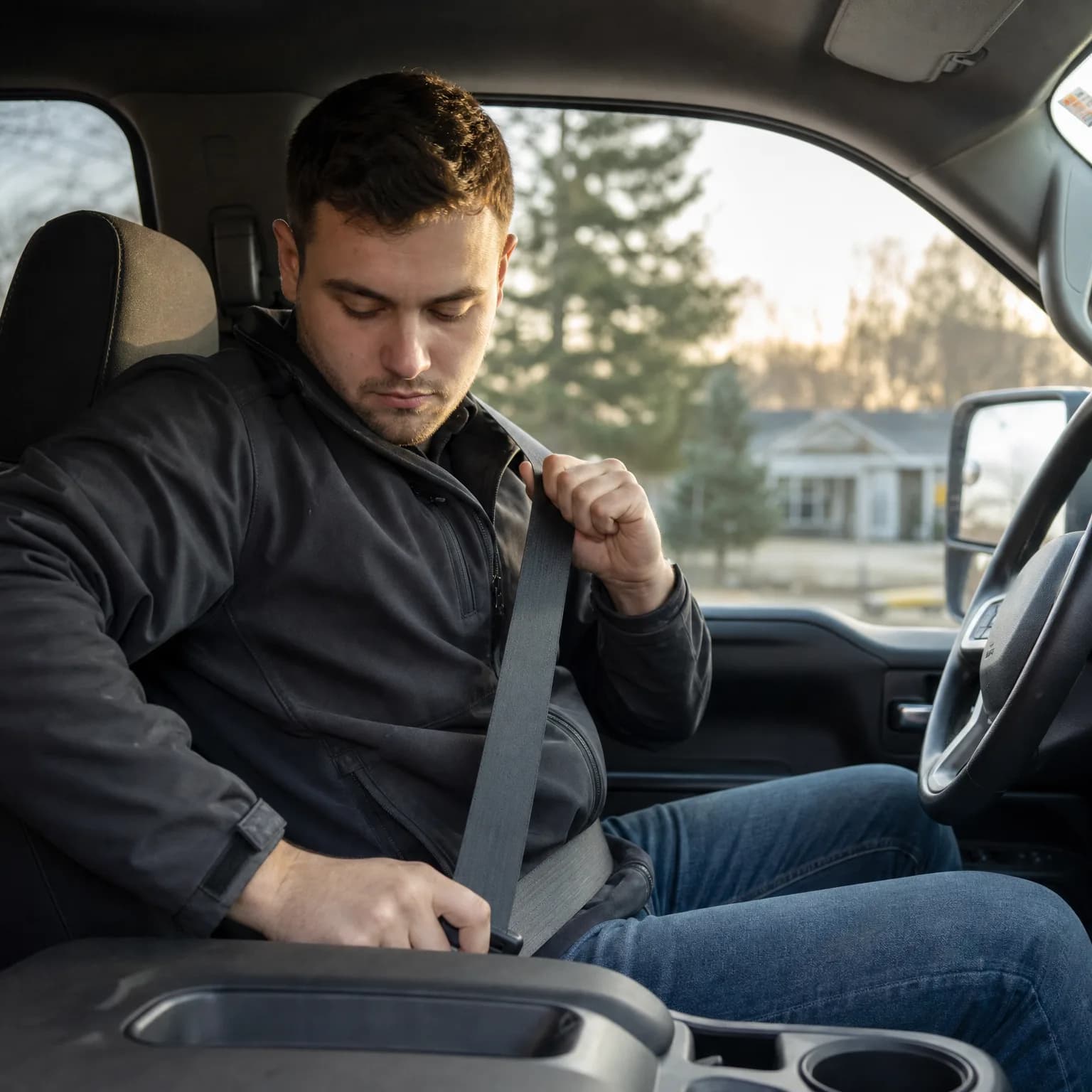
How to Convert Non-Owner SR-22 to Owner SR-22 in Arkansas Without a Filing Gap
Contact your current non-owner SR-22 carrier before you finalize the vehicle purchase. Most non-standard carriers writing non-owner policies in Arkansas — including Geico, Progressive, The General, Dairyland, Bristol West, Direct Auto, GAINSCO, and National General — also write standard owner SR-22 policies. Ask your agent or underwriter to run a quote for owner SR-22 covering the specific vehicle you're buying, effective the date you take possession.
The carrier will issue a new policy with the vehicle's VIN, year, make, and model listed on the declarations page. This new policy replaces the non-owner policy. The carrier files a new Form SR-22 with DFA showing the updated policy number and coverage details. Arkansas DFA does not require you to file SR-22 twice — the new filing supersedes the old one as long as there is no gap in coverage dates. Schedule the effective date of the owner policy to begin the same day your non-owner policy ends, or ideally one day before if the carrier allows overlap to eliminate timing risk.
Do not cancel your non-owner policy before the owner policy is active and the new SR-22 filing is confirmed by DFA. Even a single day without an active SR-22 on file triggers suspension. DFA's mandatory insurance verification system cross-references your license against carrier-reported filings in real time. If the system detects a lapse, it generates an automatic suspension notice. Reinstatement after a filing-gap suspension requires paying Arkansas's $100 reinstatement fee plus refiling SR-22 — and in many cases, the 3-year filing clock restarts from the date of the new filing, not the original violation.


Premium Changes When You Move from Non-Owner to Owner SR-22
Non-owner SR-22 premiums in Arkansas typically range from $40 to $75 per month depending on your violation history, age, and the carrier writing the policy. Owner SR-22 premiums for the same driver covering a specific vehicle typically range from $140 to $240 per month — roughly double to triple the non-owner rate. The increase reflects the carrier's exposure: owner policies include liability coverage triggered by your operation of a specific vehicle you control, collision and comprehensive coverage if you elect it, and higher underwriting risk because you drive regularly rather than occasionally.
The vehicle's year, make, model, safety features, and theft rate in your ZIP code all influence the premium. A 2015 Honda Civic will cost significantly less to insure than a 2018 Dodge Charger, even with identical coverage limits. If you're financing the vehicle, the lender will require comprehensive and collision coverage with the lender listed as loss payee. This adds $50 to $120 per month to the base liability-only premium, depending on your deductible and the vehicle's value.
Arkansas requires minimum liability limits of $25,000 per person for bodily injury, $50,000 per accident, and $25,000 for property damage (25/50/25). Your SR-22 filing must meet or exceed these minimums. Most carriers writing SR-22 policies automatically quote the state minimum limits unless you request higher coverage. If your underlying violation was a DWI, some carriers will require you to carry higher limits — typically 50/100/50 — as a condition of writing the policy.

Cover Your Filing Before You Own a Car Again
Get My Non-Owner SR-22 QuoteWhat Happens If You Keep Driving on Non-Owner SR-22 After Buying a Car
If you cause an accident while driving a vehicle you own but insured under a non-owner policy, the carrier will deny the liability claim. Non-owner policies contain explicit exclusions for vehicles owned by the named insured or any household member. The injured party's attorney will obtain your vehicle registration records, confirm you owned the car at the time of the accident, and file a coverage denial dispute. You become personally liable for damages — medical bills, property damage, lost wages, and in severe cases, punitive damages if the injured party can show you knowingly drove uninsured.
Arkansas is a tort state with mandatory liability insurance under the Motor Vehicle Safety Responsibility Act (Ark. Code Ann. § 27-22-104). If you're found at fault in an accident while uninsured, the injured party can sue you directly for the full amount of damages. Arkansas courts will issue a judgment that remains enforceable for 10 years and can be renewed. Wage garnishment, bank account levies, and liens on real property are all available collection remedies. DFA will also suspend your license until you satisfy the judgment or provide proof of financial responsibility covering the full amount.
Even if you don't cause an accident, law enforcement can charge you with driving without proper insurance if you're pulled over and the officer determines your non-owner policy does not cover the vehicle you're operating. Arkansas Code Ann. § 27-19-107 makes it a misdemeanor to operate a motor vehicle without proof of financial responsibility. First offense carries a fine of up to $500. Subsequent offenses within 5 years increase the fine and add potential license suspension. Each new suspension requires a new reinstatement fee and extends your SR-22 filing period.

Carriers That Write Both Non-Owner and Owner SR-22 in Arkansas
Most non-standard carriers writing non-owner SR-22 policies in Arkansas also write owner policies, which simplifies conversion. Progressive, Geico, The General, and Dairyland all maintain dedicated SR-22 filing programs and can convert non-owner to owner without requiring you to switch carriers. Progressive allows online policy changes through their portal if the vehicle meets their underwriting criteria. Geico requires a phone call to their SR-22 department but can usually bind coverage the same day if you have the vehicle's VIN and purchase date ready.
Bristol West, Direct Auto, and GAINSCO focus on high-risk and post-violation drivers. All three write owner SR-22 policies in Arkansas and allow mid-term conversions from non-owner to owner. Bristol West operates through independent agents, so you'll need to contact your original agent to request the conversion. Direct Auto operates retail storefronts in 15 states including Arkansas; walk-ins can request same-day quotes and binding. GAINSCO writes through agents but maintains a dedicated SR-22 hotline for filing-related policy changes.
National General writes both non-owner and owner SR-22 policies in Arkansas and allows online quoting through their website. If your original non-owner policy was written through an independent agent, contact that agent first — they can access your existing policy and request the conversion without requiring you to re-shop. If you purchased directly through the carrier's website, call their SR-22 department and reference your existing policy number. Most carriers will waive the new-policy application fee if you're converting an active non-owner SR-22 to owner SR-22 with the same carrier.

Arkansas DFA Reporting and How Long You Must Maintain Owner SR-22
Arkansas DFA requires continuous SR-22 filing for the full duration specified in your reinstatement order, which is typically 3 years for DWI convictions, uninsured driving violations, and serious traffic offenses. The filing period begins on the date DFA receives the initial SR-22 filing, not the date of the underlying violation or conviction. If you convert from non-owner SR-22 to owner SR-22 mid-filing, the clock does not reset as long as there is no gap in coverage.
Carriers report policy cancellations, lapses, and non-renewals to DFA electronically through Arkansas's mandatory insurance verification system. If your carrier cancels your owner SR-22 policy for non-payment or material misrepresentation, DFA receives notification within 10 days and automatically suspends your license. You have no grace period. Reinstatement requires paying the $100 reinstatement fee, refiling SR-22 with a new carrier, and in most cases restarting the 3-year filing clock from the date of the new filing.
Once you complete the full filing period without lapses or cancellations, DFA will remove the SR-22 requirement from your license record. The carrier will send a final confirmation to DFA stating that the required filing period has been satisfied. You can then shop for standard insurance without SR-22 filing, which typically reduces your premium by 20 to 40 percent. If you're still driving the same vehicle, your new standard policy will cover the same VIN — you're simply removing the SR-22 filing requirement and the associated underwriting surcharge.
Frequently Asked Questions
Can I add my new car to my existing non-owner SR-22 policy in Arkansas?
No. Non-owner SR-22 policies explicitly exclude vehicles owned by the named insured. You must convert to an owner SR-22 policy listing the vehicle's VIN before you drive it. Contact your carrier before you take possession of the car to schedule the conversion and avoid a coverage gap.
Will my Arkansas SR-22 filing period restart if I switch from non-owner to owner SR-22?
No, as long as there is no gap in coverage. Arkansas DFA counts the filing period from the date it received your initial SR-22, not the date you converted policies. Schedule the owner policy's effective date to begin the same day your non-owner policy ends to eliminate timing risk.
How much more does owner SR-22 cost than non-owner SR-22 in Arkansas?
Owner SR-22 premiums in Arkansas typically range from $140 to $240 per month, compared to $40 to $75 per month for non-owner SR-22. The increase reflects the carrier's exposure to a specific vehicle you control and drive regularly, plus collision and comprehensive coverage if required by a lender.
What happens if I cause an accident in a car I own while insured under non-owner SR-22?
The carrier will deny the liability claim because non-owner policies exclude vehicles owned by the insured. You become personally liable for all damages, and Arkansas DFA will suspend your license until you satisfy the judgment or provide proof of financial responsibility covering the full amount.
Do I need to notify Arkansas DFA when I convert from non-owner to owner SR-22?
No. Your carrier files the new SR-22 with DFA electronically when the owner policy becomes active. DFA's system updates your record automatically. You only need to ensure there is no gap in coverage dates between the two policies.
Can I keep my non-owner SR-22 and buy a separate policy for my new car?
Technically yes, but it creates unnecessary cost and confusion. Most drivers cancel the non-owner policy and replace it with an owner policy that covers both the vehicle and the SR-22 filing requirement. Maintaining two policies doubles your premium without adding useful coverage.
Related Articles
Non-Owner SR-22 Arkansas: File Without Owning a Car
5/19/2026
Arkansas Non-Owner SR-22 vs Owner: When Non-Owner Saves
5/19/2026

Arkansas Non-Owner SR-22: Filing, Cost & Carriers
5/19/2026

Non-Owner SR-22 Does Not Cover Vehicles You Own
5/19/2026

Non-Owner SR-22 Arkansas Reckless Driving Filing
5/19/2026

Arkansas Non-Owner SR-22 Filing Speed & Processing Time
5/19/2026