
Alabama Non-Owner SR-22 Premium Range: What Carless Filers Pay
Get My Non-Owner SR-22 QuoteWhat Non-Owner SR-22 Costs in Alabama Without a Vehicle
Non-owner SR-22 policies in Alabama typically cost $40–$75 per month through non-standard carriers like Dairyland, The General, GAINSCO, or Bristol West. That's roughly half what owner SR-22 costs because there's no comprehensive or collision coverage and no specific vehicle attached to the policy.
The total three-year filing requirement for DUI-related suspensions means you'll pay approximately $1,440–$2,700 in premiums plus the state's $275 base reinstatement fee. Alabama adds a separate $200 DUI-specific reinstatement fee on top of the base fee per ALEA fee schedules, bringing total reinstatement costs to $475 before you factor in any court fines or SR-22 filing fees.
Carriers typically charge a $15–$25 SR-22 filing fee separate from the premium. Some carriers waive this if you pay six months upfront. The filing itself goes directly from the carrier to ALEA's Driver License Division — you don't submit it separately.
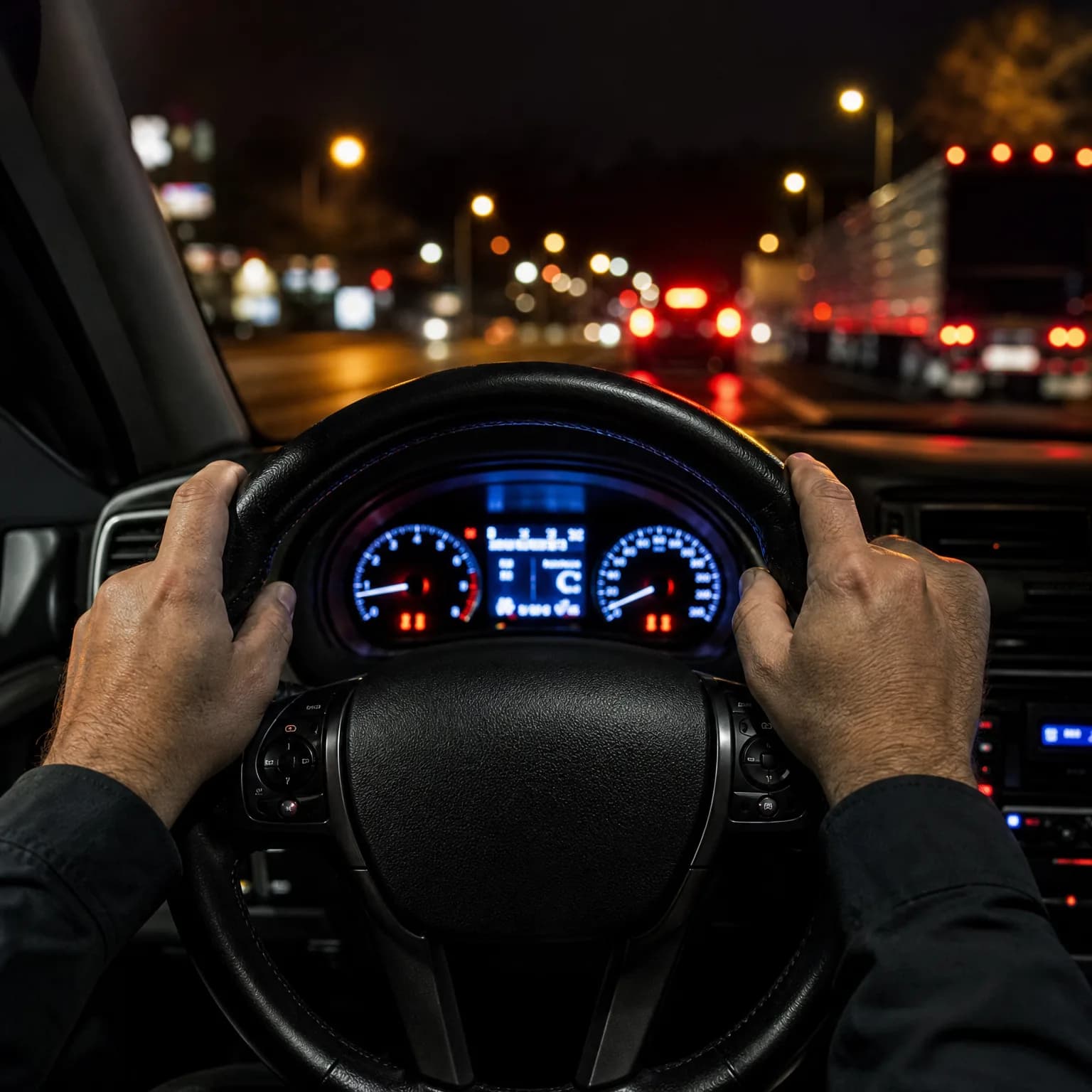
Why Alabama's Ignition Interlock Mandate Doesn't Apply to Non-Owner Policies
Alabama Code § 32-5A-191 requires ignition interlock devices for DUI-related hardship licenses. Courts enforce this strictly for drivers with owned or regularly-operated vehicles. But there's a structural gap: non-owner SR-22 covers borrowed vehicles, not a specific registered vehicle you own.
You can't install an ignition interlock device on a car you don't have title to. Most circuit courts approve non-owner SR-22 filings for hardship license petitions without the IID requirement because there's no vehicle to attach the device to. This creates a practical workaround for carless filers: satisfy the SR-22 requirement through a non-owner policy, avoid the IID installation cost and monthly calibration fees entirely, and reinstate driving privileges for borrowed or rental vehicles.
The trade-off: if you acquire a vehicle during the three-year filing period, you must immediately convert to an owner SR-22 policy and install the IID. ALEA's Online Insurance Verification System flags policy changes in near-real time. Driving your newly-acquired vehicle without converting coverage and installing the IID is a separate DWLS charge.
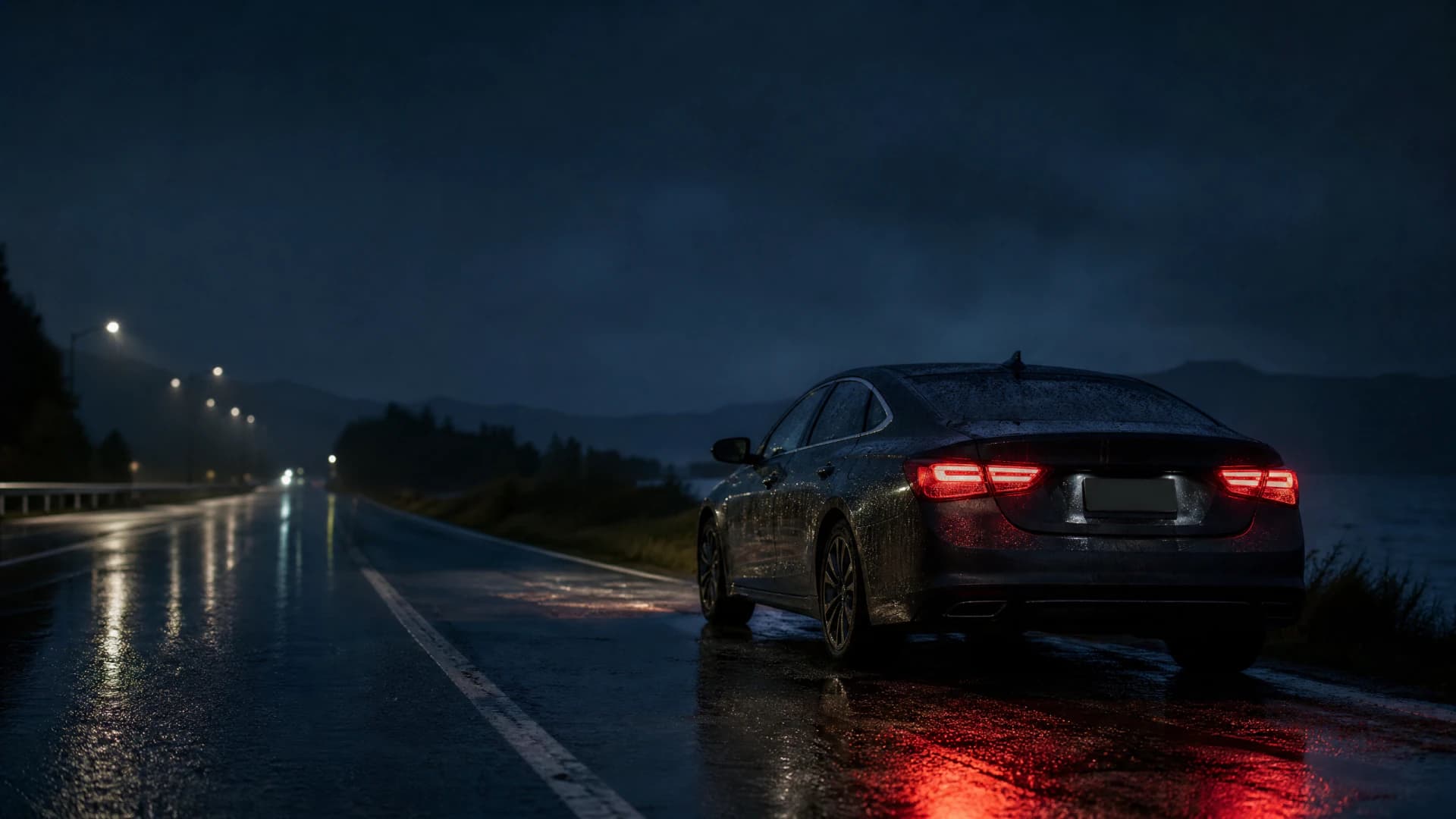

What Non-Owner SR-22 Actually Covers When You're Carless
A non-owner SR-22 policy provides Alabama's minimum liability coverage — $25,000 per person, $50,000 per accident, $25,000 property damage — when you drive someone else's vehicle with permission. That includes borrowed cars from family, employer vehicles if your job requires occasional driving, and rental cars.
It does not cover any vehicle you own, lease, or have regular access to. It does not include comprehensive or collision coverage. It does not cover damage to the borrowed vehicle itself — only your liability to others if you cause an accident. The vehicle owner's insurance is still primary; your non-owner policy kicks in if their limits are exhausted or if their policy excludes you as an occasional driver.
Most carless filers in Alabama use non-owner SR-22 strictly for compliance: satisfy the three-year filing requirement, regain driving privileges through a court-ordered Restricted License, and avoid the higher premiums and IID costs associated with owner policies. If you don't drive at all during the filing period, you're still required to maintain continuous coverage — a lapse triggers ALEA to suspend your license again and restart the filing clock.

Cover Your Filing Before You Own a Car Again
Get My Non-Owner SR-22 QuoteWhich Alabama Carriers Write Non-Owner SR-22 and How Fast They File
Seven carriers consistently write non-owner SR-22 in Alabama: Dairyland, The General, GAINSCO, Progressive, Geico, Direct Auto, and Bristol West. Dairyland and The General specialize in high-risk non-owner policies and typically offer the lowest premiums for DUI filers. Progressive and Geico write non-owner SR-22 but reserve capacity for drivers with cleaner records or first-offense violations.
Most carriers file electronically with ALEA within 24 hours of policy binding. You'll receive a physical SR-22 certificate by mail within 3-5 business days, but ALEA's system updates immediately once the electronic filing posts. When you petition the circuit court for a Restricted License, bring proof of electronic filing — most judges accept the carrier's confirmation email or your policy declarations page showing SR-22 endorsement.
If you're already under suspension, the court won't lift it until ALEA confirms active SR-22 filing. Bind coverage before your hearing date. If you're applying for reinstatement after completing the suspension period, ALEA requires proof of three years of continuous SR-22 filing with no lapses — any coverage gap restarts the three-year clock.
What Happens If You Get a Car During the Three-Year Filing Period
Alabama's Online Insurance Verification System tracks every vehicle registration and insurance policy in the state. If you register a vehicle in your name while holding a non-owner SR-22 policy, ALEA flags the mismatch within 24-48 hours. Your non-owner policy does not cover the newly-registered vehicle.
You have two options: convert to an owner SR-22 policy on the new vehicle or stack coverage by adding the new vehicle to a separate policy while maintaining the non-owner SR-22. Most filers choose conversion because stacking doubles the premium cost. When you convert, the carrier cancels the non-owner policy and files a new SR-22 against the registered vehicle. There's no gap in filing as long as both policies overlap by at least one day.
If the original suspension was DUI-related and you're operating under a court-ordered Restricted License, you must install an ignition interlock device on the newly-acquired vehicle before driving it. Alabama circuit courts interpret the IID requirement as vehicle-specific, not driver-specific. Driving the new vehicle without the IID installed is a probation violation and triggers automatic revocation of the Restricted License.
How Alabama's Court-Dependent Hardship System Affects Non-Owner Filers
Alabama's Restricted License process runs through circuit court petition, not through ALEA directly. Individual judges have wide discretion over approval criteria, required documentation, and route restrictions. Some counties require detailed employer affidavits and pre-approved travel routes. Others accept non-owner SR-22 filing and proof of employment without additional documentation.
Non-owner SR-22 filers face a documentation gap: you can't provide vehicle registration or proof of IID installation because you don't own a vehicle. Most judges approve petitions when you submit the SR-22 certificate, proof of employment or essential need, and a signed statement that you do not own or regularly operate a vehicle. If you're reinstating after a DUI conviction, expect the court to ask how you plan to comply with the IID mandate if you later acquire a vehicle.
The petition fee varies by county — typically $50–$150 depending on court costs and administrative processing. This is separate from the $475 state reinstatement fees and the insurance premium. Budget for $600–$800 in upfront costs before you add the monthly SR-22 premium.
Frequently Asked Questions
Can I get non-owner SR-22 in Alabama if I sold my car after a DUI?
Yes. Non-owner SR-22 is specifically designed for drivers who don't own a vehicle. You'll need to provide proof that you no longer own the vehicle — typically a bill of sale or DMV record showing the title transfer. Most carriers approve non-owner policies within 24 hours once they verify you have no registered vehicles in your name.
Does Alabama require ignition interlock on non-owner SR-22 policies?
No, because there's no vehicle to install the device on. Alabama's IID mandate applies to owned or regularly-operated vehicles. If you acquire a vehicle during the filing period, you must install the IID on that vehicle and convert to an owner SR-22 policy immediately.
How much does non-owner SR-22 cost in Alabama for a DUI suspension?
Non-owner SR-22 policies typically cost $40–$75 per month through non-standard carriers like Dairyland, The General, or GAINSCO. Over the three-year DUI filing period, total premiums run approximately $1,440–$2,700. Add $475 in state reinstatement fees and $15–$25 SR-22 filing fees per carrier.
Will my non-owner SR-22 cover me if I borrow a friend's car in Alabama?
Yes, as long as you have permission to drive the vehicle. Non-owner SR-22 provides Alabama's minimum liability coverage when you drive someone else's car. It does not cover damage to the borrowed vehicle itself — only your liability to others if you cause an accident.
What happens if I let my non-owner SR-22 lapse in Alabama?
ALEA suspends your license immediately and restarts the three-year filing requirement from zero. You'll need to pay the $275 base reinstatement fee again, re-file SR-22 with a new carrier, and petition the circuit court for a new Restricted License if you're mid-suspension. Any time already served does not carry over after a lapse.
Can I use non-owner SR-22 to reinstate my Alabama license without a hardship petition?
Yes, if you've already completed the full suspension period. File non-owner SR-22 with a carrier, pay the $475 total reinstatement fees at ALEA, and provide proof of three years continuous SR-22 filing. If you're still within the suspension period, you must petition the circuit court for a Restricted License before you can legally drive.
Related Articles
Alabama Non-Owner SR-22 vs Owner SR-22 Cost Comparison
5/19/2026
Alabama Non-Owner SR-22 Filing, Cost, and Carriers
5/19/2026
Alabama Non-Owner SR-22 Cost by Suspension Cause
5/19/2026
Non-Owner SR-22 Alabama Uninsured-Driving Suspension
5/19/2026
Alabama Non-Owner SR-22 by Cause: DUI vs Uninsured Path
5/19/2026

Alaska Non-Owner SR-22 Cost by Cause: DUI vs Lapse
5/19/2026